The 1990s ecosystem of video games was marked by an intense rivalry between Sega and Nintendo, with each company striving for dominance in the market. This competitive spirit often extended beyond corporate strategies and marketing campaigns into the very games themselves, where developers occasionally took subtle (and sometimes not-so-subtle) jabs at their rivals.
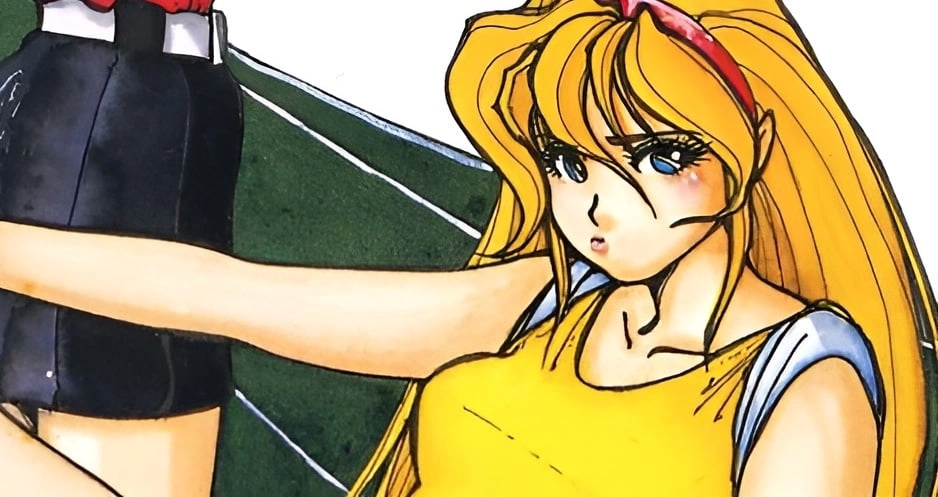
A striking example of this playful antagonism can be found in Vic Tokai's 1992 side-scrolling shooter game, Battle Mania. Known as Trouble Shooter outside of Japan, this game harbored a hidden message that came to light after decades through a tweet posted by John Harrison, the author of "Legends of 16-Bit Game Development."
The secret isn't an obvious feature of the game but requires a specific sequence of button presses to be revealed. It begins with turning on the game, followed by pressing start, right, and C on a second controller during the startup sequence. Once done, players are treated to an Easter Egg where the game's protagonist, Madison—referred to as Mania Ohtori in the Japanese version—expresses her disdain for Nintendo by aggressively stomping on a model of the Super Famicom, the Japanese version of the Super Nintendo Entertainment System (SNES).
This act of virtual vandalism wasn't merely for comedic effect; it spoke to a deeper discontent felt by Battle Mania's developer, Takayan. In an interview from 2004, translated from the book "Nazo no Game Makyo #4: 'Lost Games,'" Takayan explained that his frustration stemmed from the disproportionate allocation of his team's development budget toward the competing SFC (Super Famicom) team. This was their way of acting out against the perceived favoritism within the industry.
Notably, Sega, upon becoming aware of this image, quickly sent a fax to all development studios, cautioning against the use of imagery that could harm the trademarks or characters of other companies. This move could be interpreted as an attempt to maintain a level of professionalism in the industry, despite the intense rivalry. It was perhaps only the influence of the then-powerful president of Sunseibu and Sega's own animosity toward Nintendo that allowed such a brazen Easter Egg to be incorporated without significant repercussions.
During the era, such instances were not isolated. Characters, items, or even entire levels in games sometimes included veiled or overt references to competitors. Sega's Sonic the Hedgehog, for instance, famously found a place in Cranky's Hall Of Heroes in Donkey Kong Country 2, positioned by a trash can labeled "No Hopers." These in-game jibes were emblematic of the larger "console wars" of the time.
The console wars era is a fascinating period in gaming history, characterized by ferocious competition and one-upmanship that pushed both Sega and Nintendo to innovate and excel in a way that perhaps would not have been possible in a less competitive atmosphere. The Easter Egg in Battle Mania serves as a small, yet potent, reminder of the cultural and corporate battles waged in the living rooms and bedrooms of gamers around the world.
Exploring this era reminds us of how the video game industry has grown and evolved into the multi-faceted, multi-platform community it is today. These historical Easter Eggs not only provide entertainment but also offer a window into the past, giving context to the present nature of corporate competition in the video game industry. As the industry continues to grow and change, it's moments like these that provide both a humorous glimpse of its history as well as a lesson in how far it has come.

You must be logged in to post a comment!
