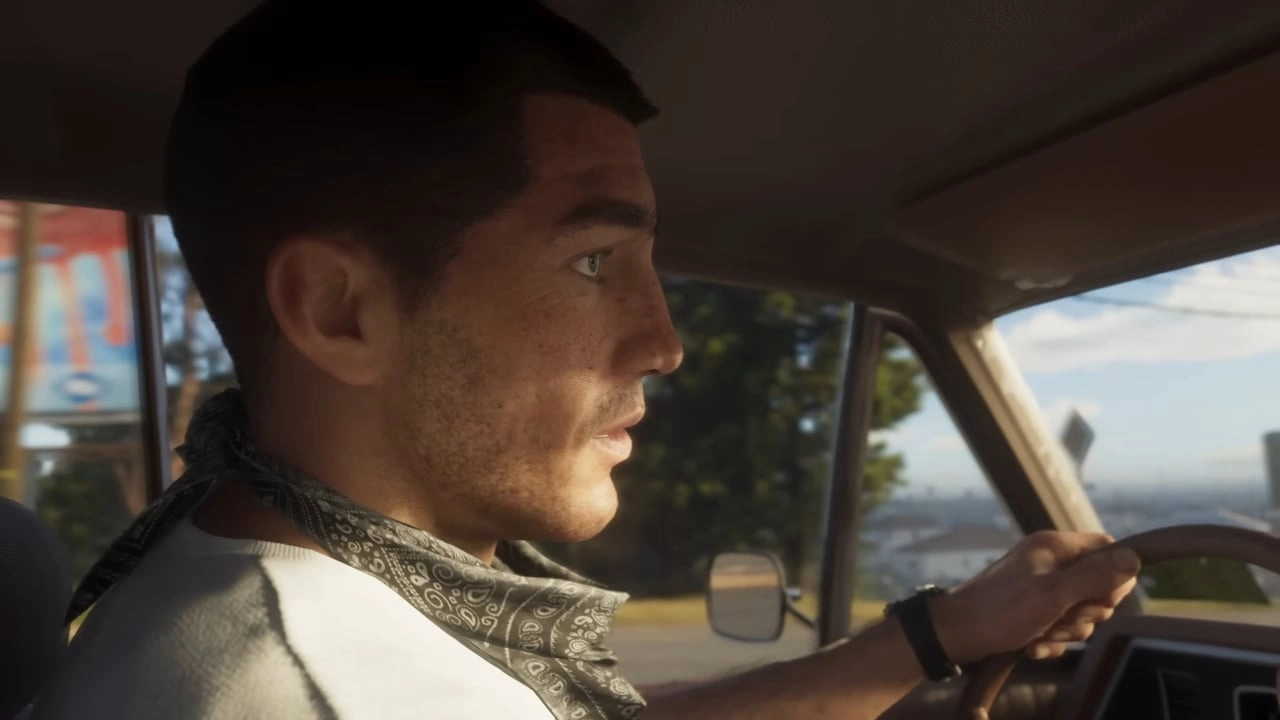
The music industry often interacts with other entertainment sectors, particularly video games, where soundtracks play a crucial role in creating immersive experiences for players. However, these collaborations don't always go smoothly, as demonstrated by a recent dispute between Martyn Ware, a musician from the 1980s pop band Heaven 17, and Rockstar Games, the developers of the Grand Theft Auto series.
Martyn Ware, who also co-founded The Human League, voiced his dissatisfaction with the monetary compensation offered by Rockstar Games for using a Heaven 17 song in the upcoming Grand Theft Auto 6. Via a very public Twitter outburst, Ware revealed that Rockstar Games proposed $7500 for each songwriter to buy out the rights to their song, negating any future royalties. In total, this amount would be split among three writers. On his Twitter account, Ware criticized the offer as "utterly unacceptable" and "pathetic," emphasizing that the proposed amount was for a complete buyout, preventing any future earnings from the use of their song in what is projected to be another blockbuster release.
Grand Theft Auto 6 is predicted to be a major success, given the franchise's history, where previous iterations such as Grand Theft Auto V grossed billions. Ware pointed out this disparity in potential earnings to emphasize his stance that the compensation offered was not commensurate with the profits the game is expected to generate. In his tweet, Ware sarcastically mentioned the often-touted benefit of "exposure," showcasing his frustration and disbelief that exposure should justify the minimal compensation.
This frustration is set against a backdrop where the track records of both parties are fairly well-distinguished. On one end, Ware's contributions to music span decades with significant influences in the synth-pop sphere. On the other, Rockstar Games, a powerhouse in the video gaming industry, has a history of successful titles, each featuring eclectic and widely acclaimed soundtracks. The inclusion of music tracks is not just about ambiance but also a significant aspect of the cultural relevance and time-setting in games.
Most of the gaming community, along with other artists, can relate and understand the complexities of negotiations like these. Creative content contributions are critical, yet the economics can often seem skewed towards larger corporate entities, which holds a significant discussion point in the intersection of art, commerce, and intellectual property rights. Some commenters on Ware's post argued that the exposure from being featured in such a high-profile game could potentially outweigh the initial low financial offer. However, Ware and others believe compensation should be more in line with the revenue the game will likely generate.
Given the publicity surrounding this negotiation fallout, it now seems unlikely that Heaven 17's music will grace the soundtrack of GTA 6. Ware's decision to go public with his displeasure hints at broader implications beyond just this deal—it challenges the norms of how artists are compensated in the digital age, where content is king but the creators are often left fighting for fair compensation.
This situation underscores the ever-present tension between artistic integrity and the business aspects of the music and gaming industries. While both sectors aim to profit, the distribution of these profits remains a contentious issue, particularly as digital distributions can amass significant sums. As the release date of Grand Theft Auto 6 approaches, and its soundtrack without the inclusion of Heaven 17, this dialogue about fair compensation in the intersection of different creative fields continues to be relevant and necessary.

You must be logged in to post a comment!
