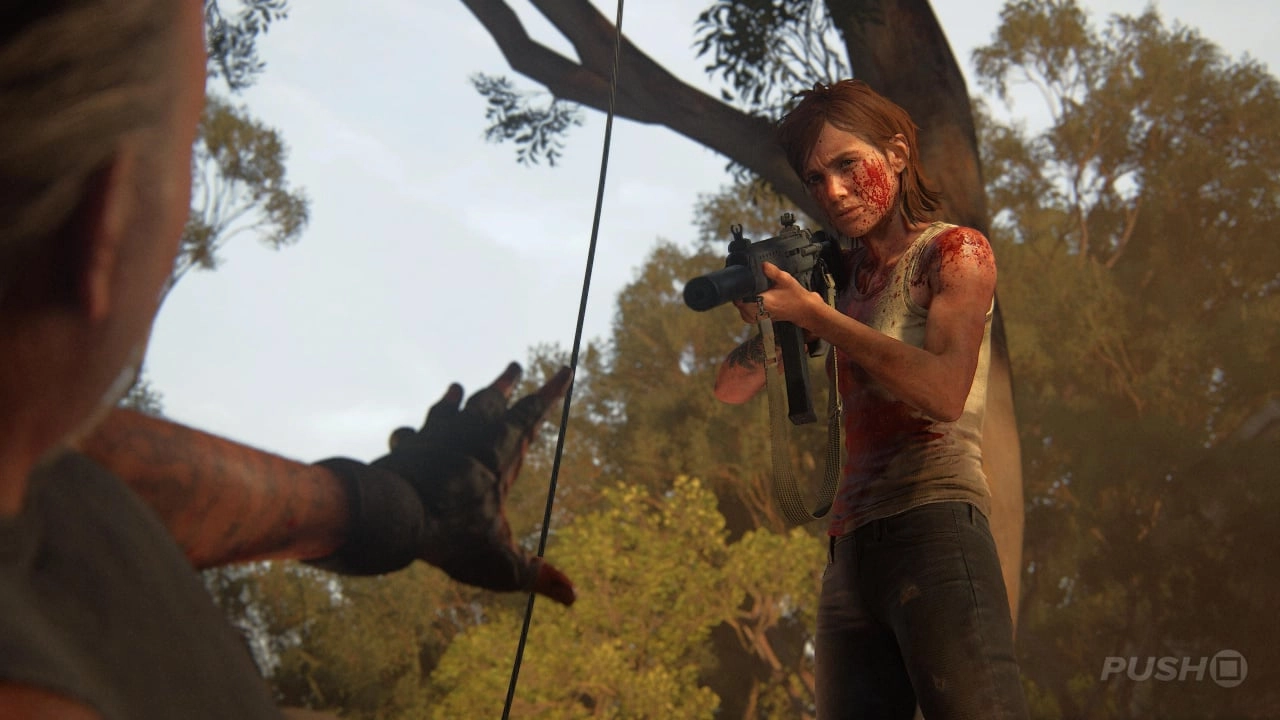
The narrative complexity and emotional depth of The Last of Us Part II, a popular video game developed by Naughty Dog, has set the stage for a potentially extensive adaptation into a television series by HBO. The game, known for its gripping storyline and well-developed characters, dives deep into themes of revenge, trauma, and the consequences of violence, making it a rich source for detailed storytelling on screen.
Craig Mazin, the director tasked with bringing this story to life in HBO's adaptation, has indicated that the scope of The Last of Us Part II is so broad that telling its story could feasibly extend over three television seasons. This projection highlights the challenges and opportunities in adapting such a layered narrative. The ongoing development of the series' second season, which has been confirmed to consist of seven episodes, paints a picture of a tightly constructed continuation that aims to maintain the show’s integrity and depth.
The decision to potentially stretch the story across three seasons is indicative of Mazin's commitment to narrative depth and character development, aspects that were also central to the first season. The initial season set a high benchmark in terms of storytelling and character exploration, focusing not just on the plot but also on the internal lives and transformations of the characters. Mazin’s approach suggests a similar treatment for the sequel's storyline, which could explore the intricate web of its characters’ motives and the expansive world they inhabit.
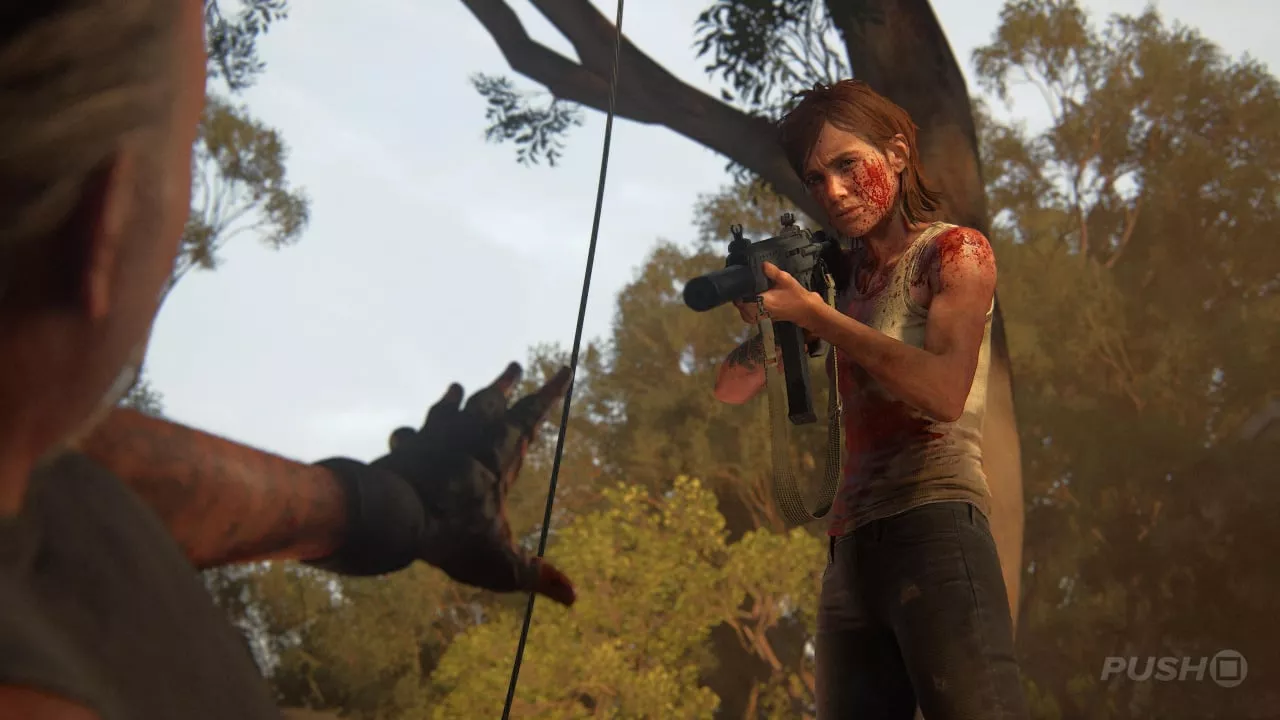
One of the pivotal moments likely to be depicted in the upcoming season is the intense confrontation between Ellie and Abby at the theater, which is a major turning point in the game. This scene, rich with emotion and character conflict, could serve as a natural climax for the second season, providing a powerful narrative arc that would be both satisfying and dramatic for viewers. The adaptation's pacing and division of story elements will be crucial in ensuring that each season builds upon the last, enhancing the overall impact of the story.
By considering an extension to a third season, Mazins is acknowledging the complexity of the game's plot and the need to explore various subplots and character backgrounds that contribute to the main narrative. Such an expansion would allow for a deeper exploration into the lives of secondary characters, akin to how the first season gave significant attention and backstory to characters like Bill and Frank. This approach not only enriches the story but also aligns with the storytelling style of the video game, which is celebrated for its attention to detail and character depth.
The Last of Us Part II is set in a post-apocalyptic world where characters face constant threats from both infected creatures and other survivors. Within this setting, the story explores intense and often dark themes that challenge the characters’ morals and will to survive. Adapting such a game into a series offers an opportunity to delve into these themes in ways that are visually compelling and emotionally resonant, aiming to connect with audiences who may not be familiar with the game.
As anticipation builds for the second season of HBO's adaptation, questions remain about how Mazin will handle the vast narrative and what creative liberties he will take. Fans of the game and new viewers alike are eager to see how the complex relationships and dramatic tensions will be portrayed on screen. Additionally, the broader exploration of the game’s world and its inhabitants could introduce new dynamics and enrich the storytelling, making the possibility of a third season a promising expansion.
The potential for HBO's The Last of Black Us 2 to extend into three seasons reflects an ambitious vision for adapting video game narratives to television, highlighting the evolving landscape of entertainment where games and TV converge to offer deep, nuanced storytelling. As the production continues, viewers can look forward to a series that respects the source material while exploring new creative territories in the realm of television drama. The process of adapting such a dense and emotionally charged story is challenging, yet the dedication to thoroughly exploring the narrative promises to deliver a compelling television experience.

You must be logged in to post a comment!
