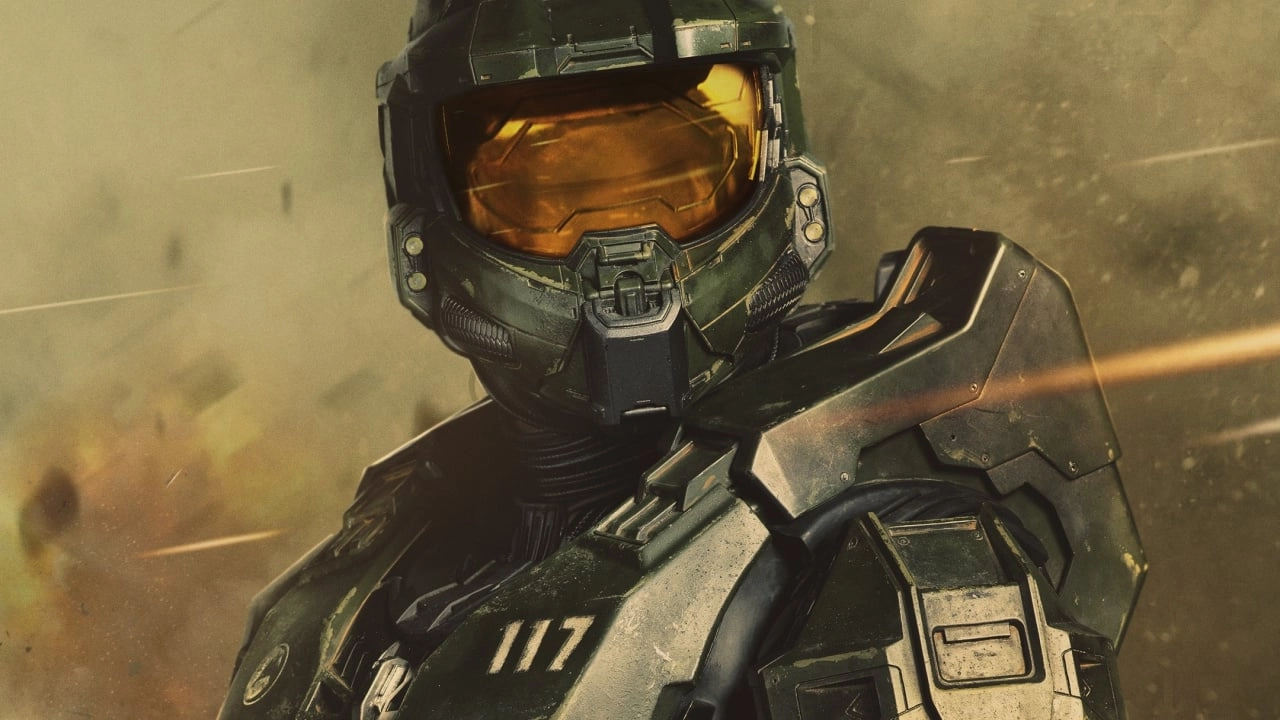
The popular Halo TV series, produced by Paramount+, will not return to the platform for a third season. The series, which premiered in 2022, has had a mixed reception among fans but still managed to become one of the most-watched series on Paramount's streaming service. Despite its success in viewership terms, the network has decided to discontinue the series after completing its second season.
The announcement of the cancellation was communicated through a statement released via The Hollywood Reporter. The statement expressed gratitude towards the partners involved in the project, including Xbox, 343 Industries, and Amblin Television. Special acknowledgment was given to the showrunner and executive producer David Wiener, his team of producers, the cast led by Pablo Schreiber who played Master Chief, and the crew for their exceptional work on this ambitious project.
While Paramount+ has decided to pull the plug on the series, there is a shimmer of hope for fans wanting more of the Halo universe on screen. Xbox, along with 343 Industries and Amblin Television, are actively looking for another network or streaming service to continue the saga with a third season. Interestingly, despite terminating the series, Paramount+ is supportive of this move and open to the series finding a new home to continue its narrative.
The Halo TV series attempted to expand the rich lore of the Halo video game universe, providing a new medium for fans to engage with its detailed world. Despite its aspirations, the series faced several challenges, including budget constraints which limited certain storytelling aspects, impacting its ability to fully explore the depth of the Halo saga as it is known in the games.
Throughout its run, the series portrayed a more grittier, grounded, and visceral interpretation of the Halo story, which marked a significant tonal shift from the original video games. This approach received mixed reviews from the hardcore fanbase but also opened up the narrative to viewers who were not necessarily familiar with the game.
One noteworthy feature of the series was its homage to the Halo gaming experience, including subtle nods and expansions on the game’s mythology, which were well-received by fans. Showrunners had also demonstrated innovation in merging cinematic storytelling with thematic elements indigenous to the Halo game series, although facing restrictions on how broad these narratives could expand due to budgetary limits.
Looking ahead, the potential for a third season at a new venue offers a promising opportunity for the narrative to evolve further and possibly align more closely with the expectations of its diverse fanbase. The continuation of the series would depend significantly on finding a partner that shares the vision of its original creators and can support the expansive, visually immersive experience expected from a Halo adaptation.
The series' journey from its inception on Paramount+ to its prospective search for a new platform emphasizes the complexities of adapting a beloved video game into a television format. The need to balance creative ambitions with financial realities often dictates the trajectory of such expansive projects. For Halo, the path forward is uncertain, but the determined efforts by its creative team to keep the story alive reflect the enduring appeal and cultural impact of the Halo franchise. Whether or not the series finds a new platform, its attempt to traverse mediums has marked an intriguing chapter in the saga of one of gaming's most storied franchises.

You must be logged in to post a comment!
