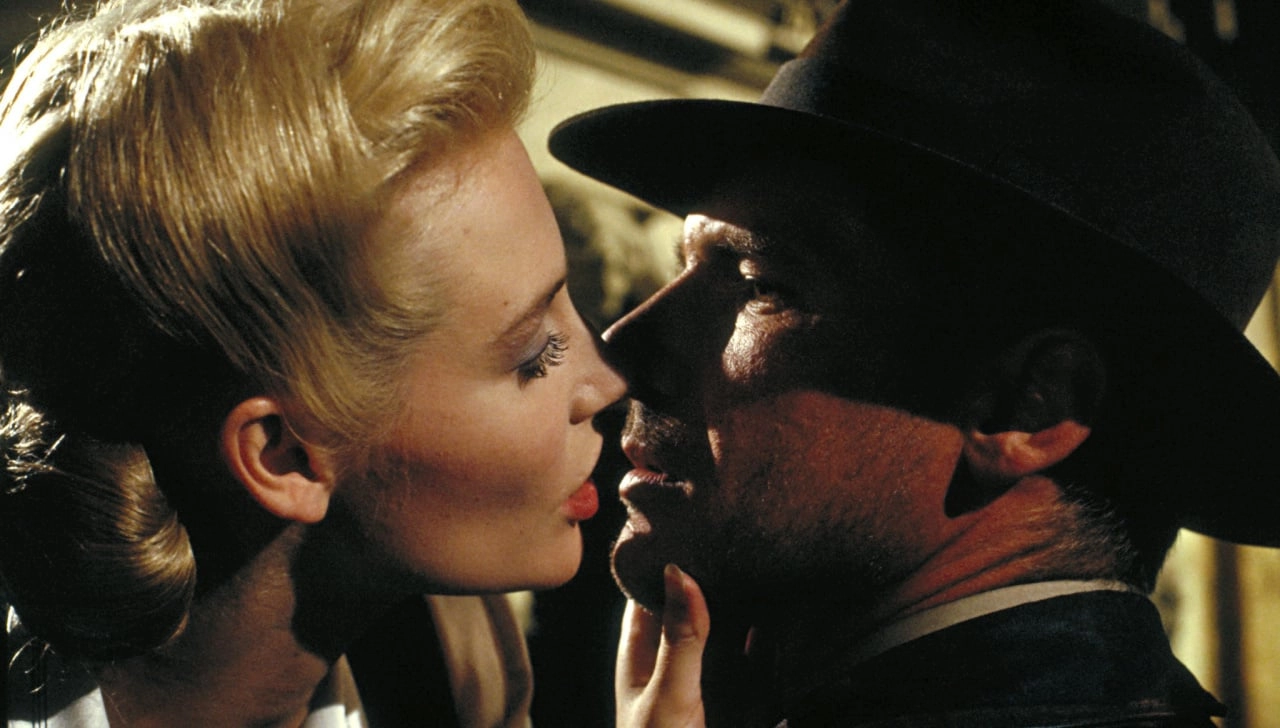
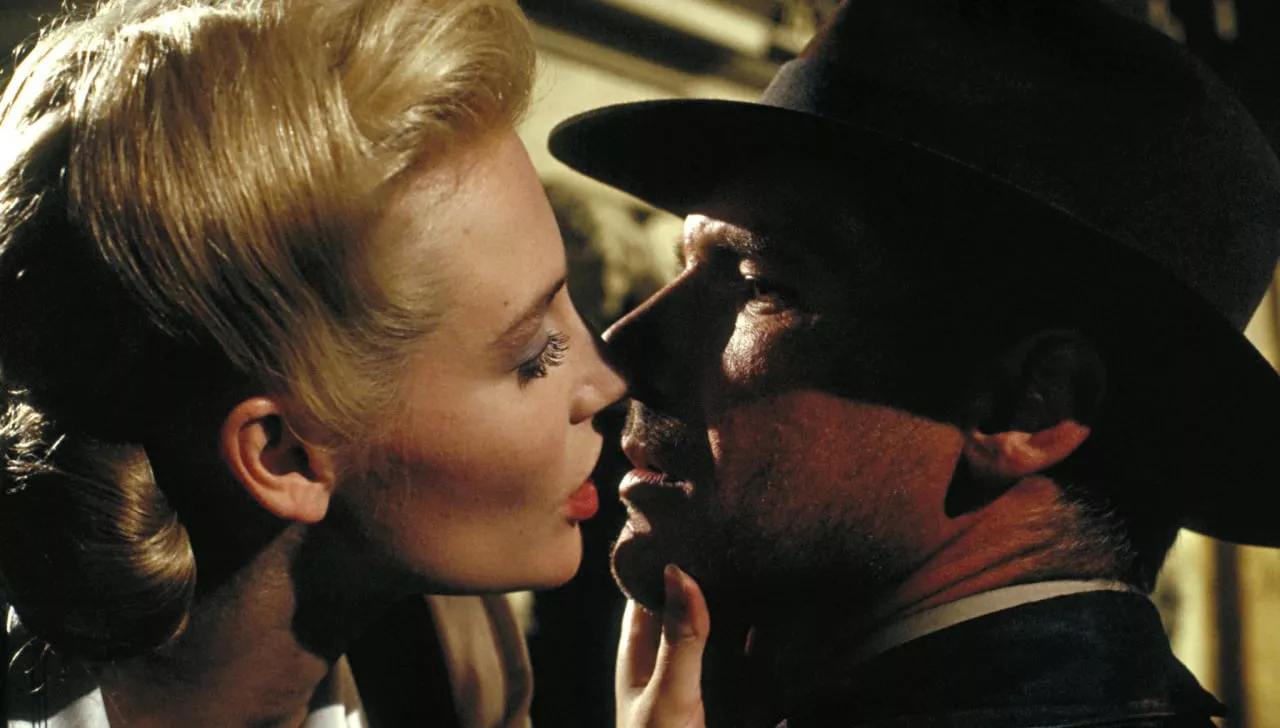
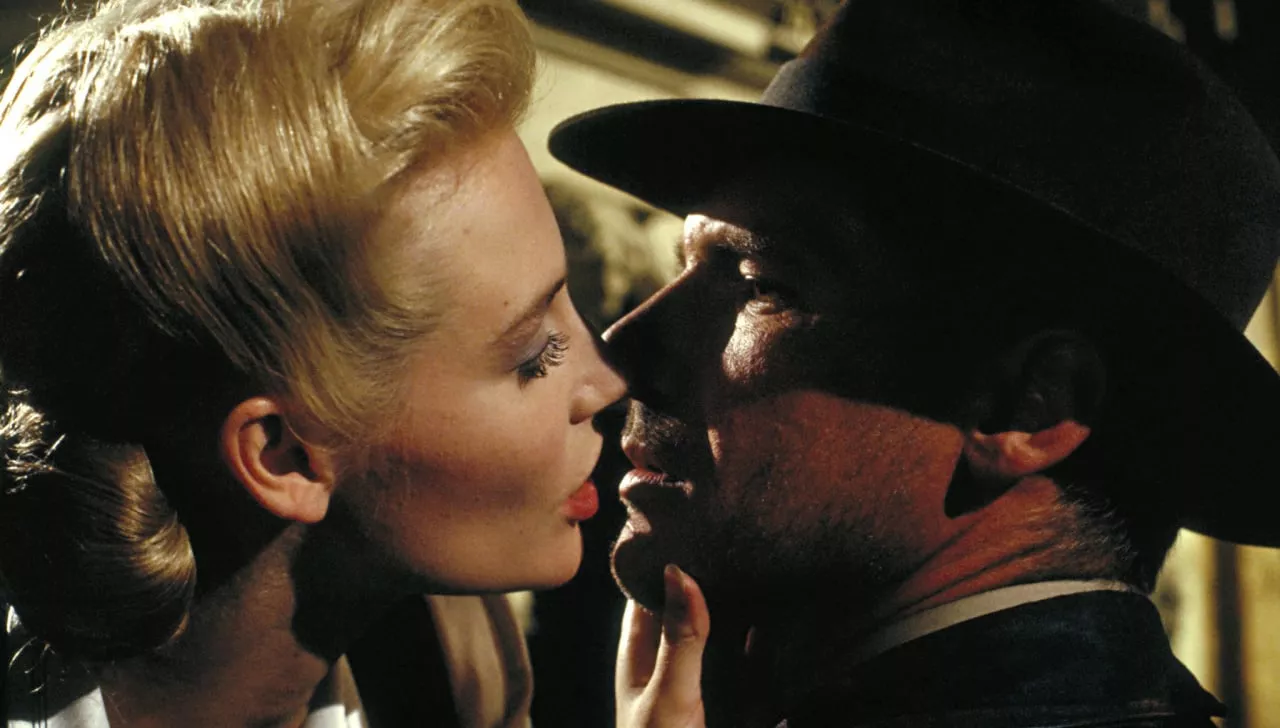
Indiana Jones, the iconic adventurer and archaeologist, has had his fair share of romantic encounters across his film and gaming exploits. Notably, each of the original three movies showcased Indiana with a different love interest, reflecting a notable James Bond-esque trait of womanizing. Fans of the franchise are familiar with Marion Ravenwood, Wilhemina "Willie" Scott, and Dr. Elsa Schneider—all characters who were involved with Indy at various points in his cinematic journey. However, this pattern took a turn in the video game realm with the 1999 release of "Indiana Jones & The Infernal Machine."
The shift was the brainchild of the game's director, Hal Barwood, who drew from his personal life to influence Indy’s character development. Barwood, who enjoyed a long and faithful marriage of 60 years with his childhood sweetheart, found the habitual love interests of the character disagreeable. His commitment to his own marriage contrasted sharply with the disposable romantic encounters that seemed so inherent to the globetrotting hero's image. Consequently, Barwood aimed to create a more consistent and less transient approach to Indiana's interactions with women in the game.
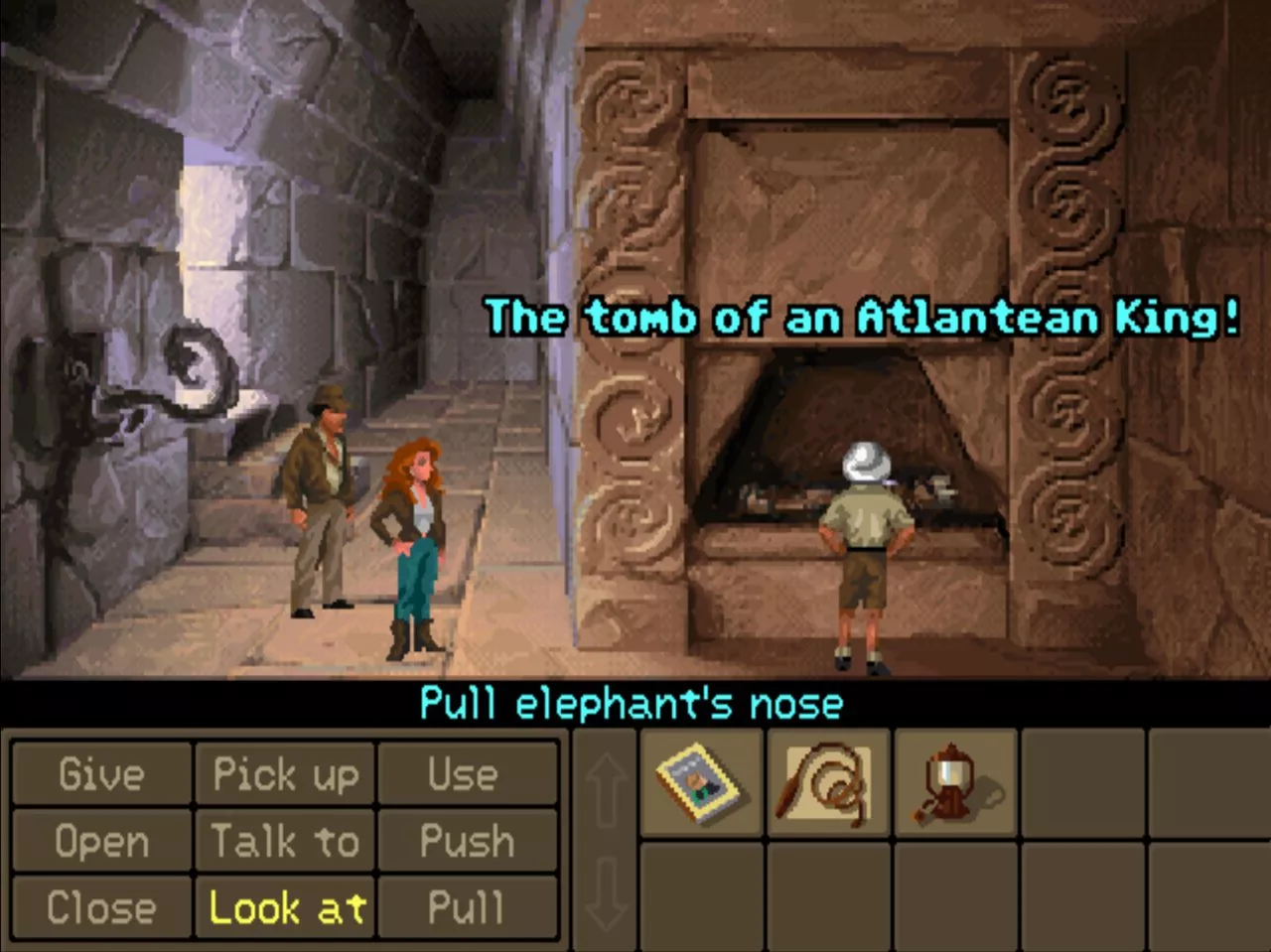
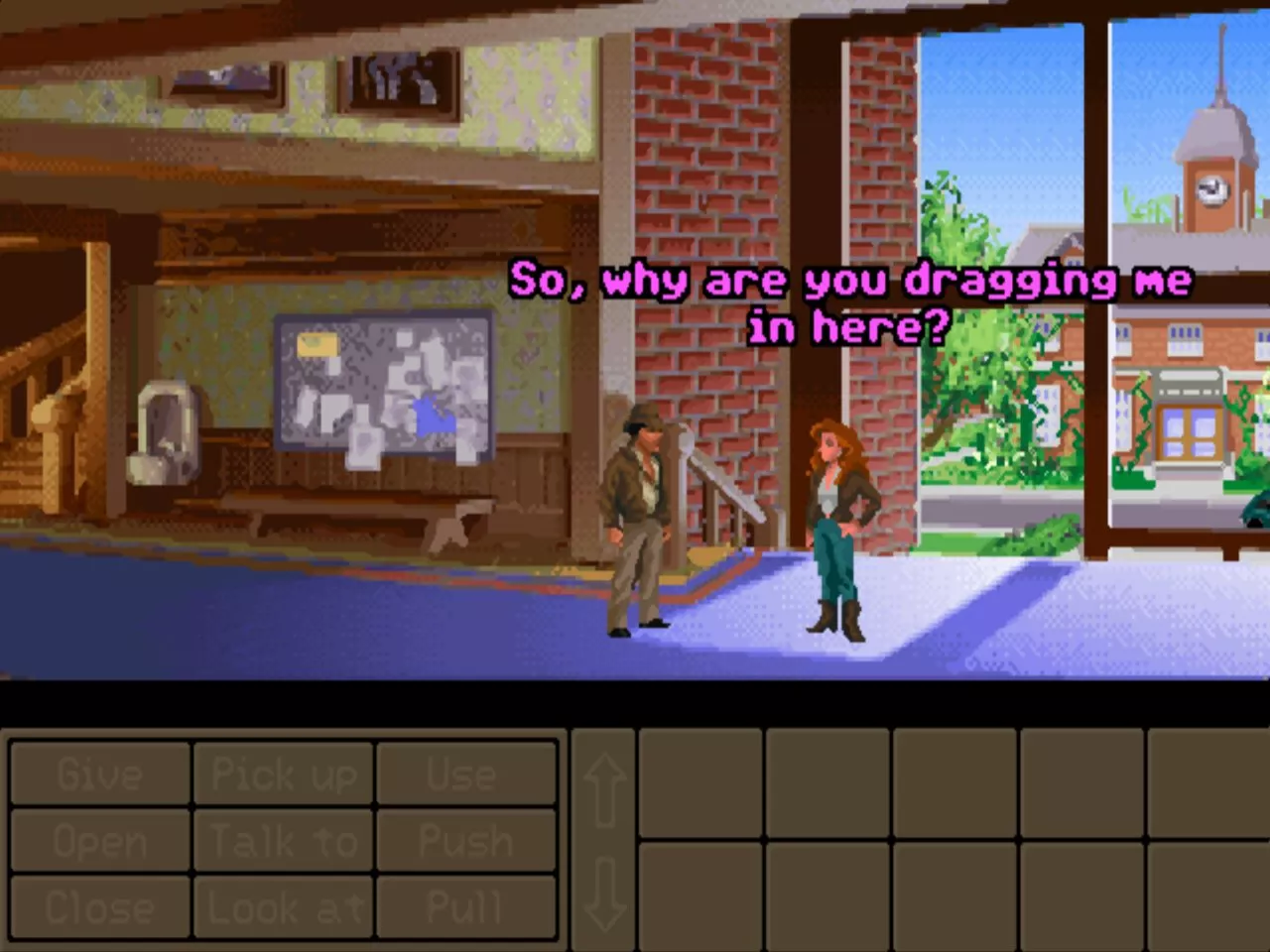
This continuity led to the revival of the character Sophia Hapgood from a previous game, "Indiana Jones and the Fate of Atlantis." Unlike the fleeting romances of prior narratives, Sophia's return was meant to demonstrate a more stable and ongoing relationship dynamic within Indy's life. The decision to reuse this character from the game's predecessor also allowed for enhanced storytelling and gameplay mechanics, including cooperative puzzle-solving and interconnected rescue scenarios. Sophia, an archaeologist and psychic, brought a unique dynamic to the gameplay as she served both as an ally and a source of intrigue due to her secret career as a CIA agent.
Barwood's decision indeed represented a noticeable departure from the established motifs that had become common in Indiana's story arcs. Instead of being a roving archaeologist leaving behind a trail of romances synonymous with his cinematic persona, Indiana Jones in "The Infernal Machine" reflected more stable relational values. This change offered players a different perspective on the character, balancing his adventurous lifestyle with a semblance of personal commitment and relational depth.
Implementing such alterations into the video game was not only a reflection of the director's personal values but also an evolution of Indiana Jones as a character. Rather than rely exclusively on the well-worn tropes of yesteryear, Barwood's approach revealed the potential for characters like Indy to grow and develop beyond their original frameworks. These developments offered gamers moments of cooperative play that felt more significant due to the strengthened bond between the characters. Players found themselves solving puzzles with Sophia, who would become both a companion in need of rescue and a savior at different points throughout the game.
This deeper character integration into the game's structure was designed to add layers to the storytelling. It invited players to experience a side of Indiana that was less transient and more rooted in meaningful connections. Barwood hoped that these adjustments would create a more complex and relatable hero—one who could maintain dedicated relationships while engaging in thrilling escapades.
The creative choices made by Barwood in "Indiana Jones & The Infernal Machine" reflect a broader trend in gaming and cinematic storytelling. As audiences crave characters with more depth and realistic qualities, developers and directors aim to move beyond one-dimensional archetypes. Barwood's take on Indiana Jones illustrates how adapting a character to resonate with evolving cultural norms and personal convictions can lead to refreshed and engaging narratives.
It is indeed an interesting question to ponder: Did Hal Barwood's decision to reintroduce Sophia Hapgood enhance the Indiana Jones franchise? Some may argue that it gave a more contemporary and realistic twist to our hero's escapades, while others may hold the classic archetype in higher esteem. Nevertheless, this decision invites conversation on the importance of character development and the potential for our beloved characters to grow and adapt with time—a notion that carries as much weight in the digital world of video games as it does in the realm of film.

You must be logged in to post a comment!
