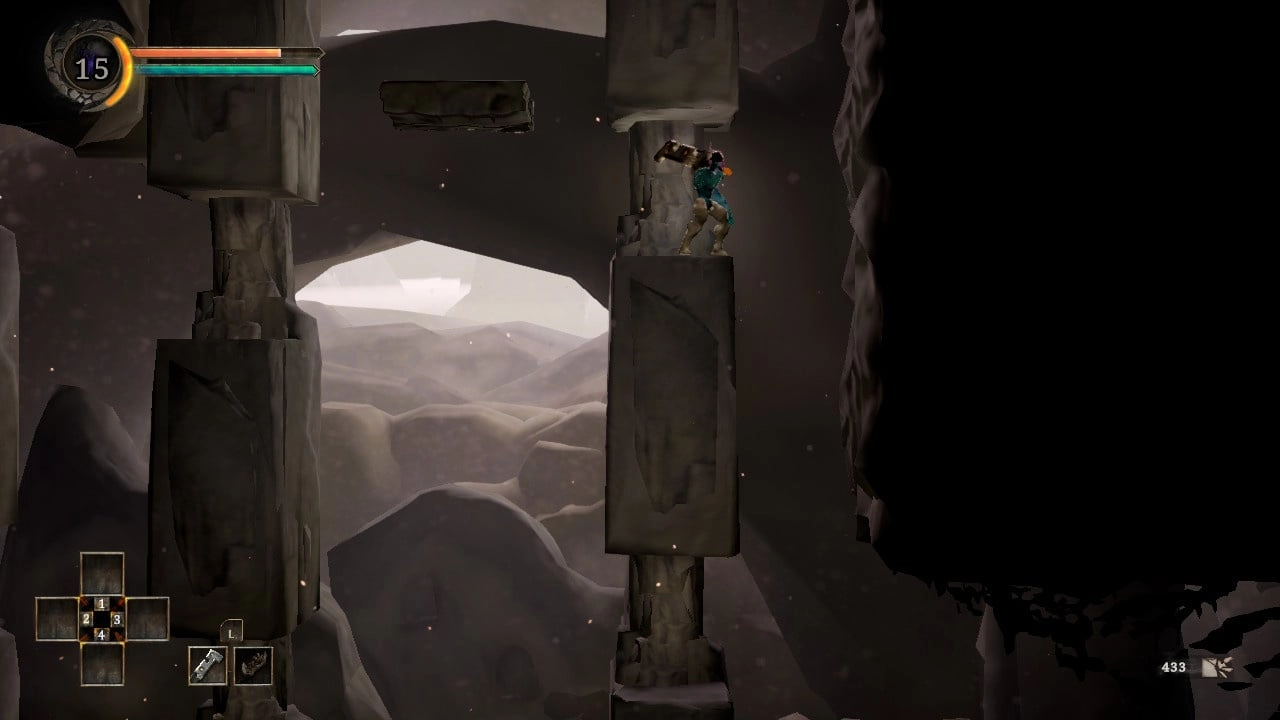
When a new game is eagerly anticipated to join the roster of available games on a console like the Nintendo Switch, players' expectations are often high, particularly for an indie game that has made an impression on other platforms. Grime Definitive Edition had this sort of reputation preceding its arrival. Originally released on PC in 2021, Grime combines the intricate explorative elements of a Metroidvania with the punishing difficulty and mechanics reminiscent of a Soulslike game. This unique blend captures a niche that not many games fill, making its transition onto the Switch a highly anticipated moment.
In Grime, players assume the role of an intriguing character—a sentient rock creature with a voracious black hole where its head should be. This character is magnetically drawn toward the peak of a surreal, broken world teeming with both breathtaking and horrific vistas. The story extends an invitation to unravel its mysteries, enticing the player with breadcrumbs of lore that build to a narrative that's as compelling as it is enigmatic.
The setting of Grime is a character in its own right, with the game sporting a menagerie of bizarre and disturbing enemies, set against the backdrop of a world that is unforgiving and fractured. With mind-bending opponents and landscapes steeped in atmosphere, the title retains a flavor of creativity that is delightful and deeply unsettling all at once.
Combat in Grime is defined not only by its variety of weapons, which evolve based upon one’s playstyle, but also by its unique incorporation of the protagonist's black hole head. This singularity not only absorbs defeated enemies' essences, providing a resource for player progression, but it also functions as a means to parry attacks. Strategic use of this ability is fundamental; it deals incredible damage and recovers Breath, the game's analog for a healing item. Thus, mastering the timing of attacks and parries is crucial for navigating through hostile terrain.
However, the journey through Grime isn't just about moment-to-moment survival. An integral part of the experience is the expectation of frequent death and learning through failure. Leveling up provides minor boosts, but the true path to victory is understanding each enemy's intricate attack patterns. The game is unforgiving, with health being precariously scarce, and the traditional safety nets like save points, here called Surrogates, few and far between.
Boss fights add another layer of complexity to the gameplay. Each showdown feels like a puzzle to be solved, pushing the player to identify the strategies necessary to overcome these imposing adversaries. There's a sense of fairness in Grime's challenges, the kind that rewards insight and adaptability.
Traversing Grime's world is engaging, with new abilities presenting fresh exploratory opportunities and a multitude of hidden secrets to uncover. This sense of discovery resonates well with the Metroidvania spirit of the game, where every new path or shortcut feels like a meaningful reward following hard-won battles.
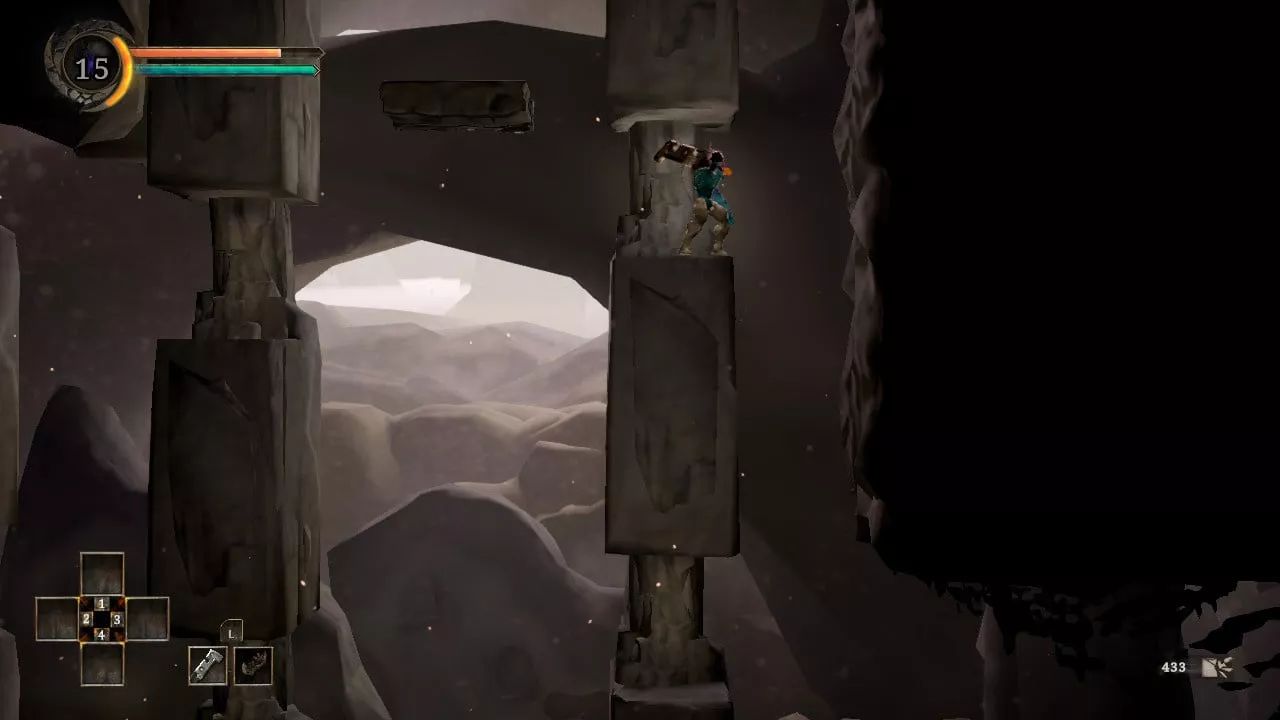
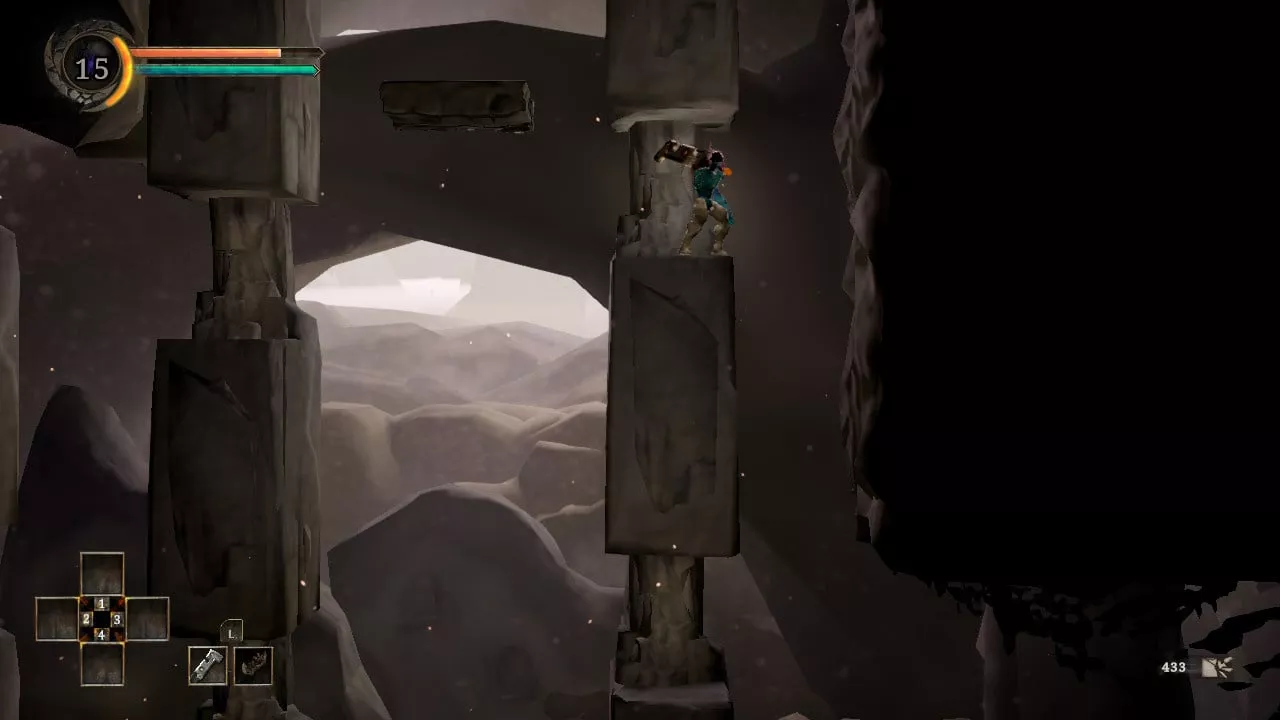
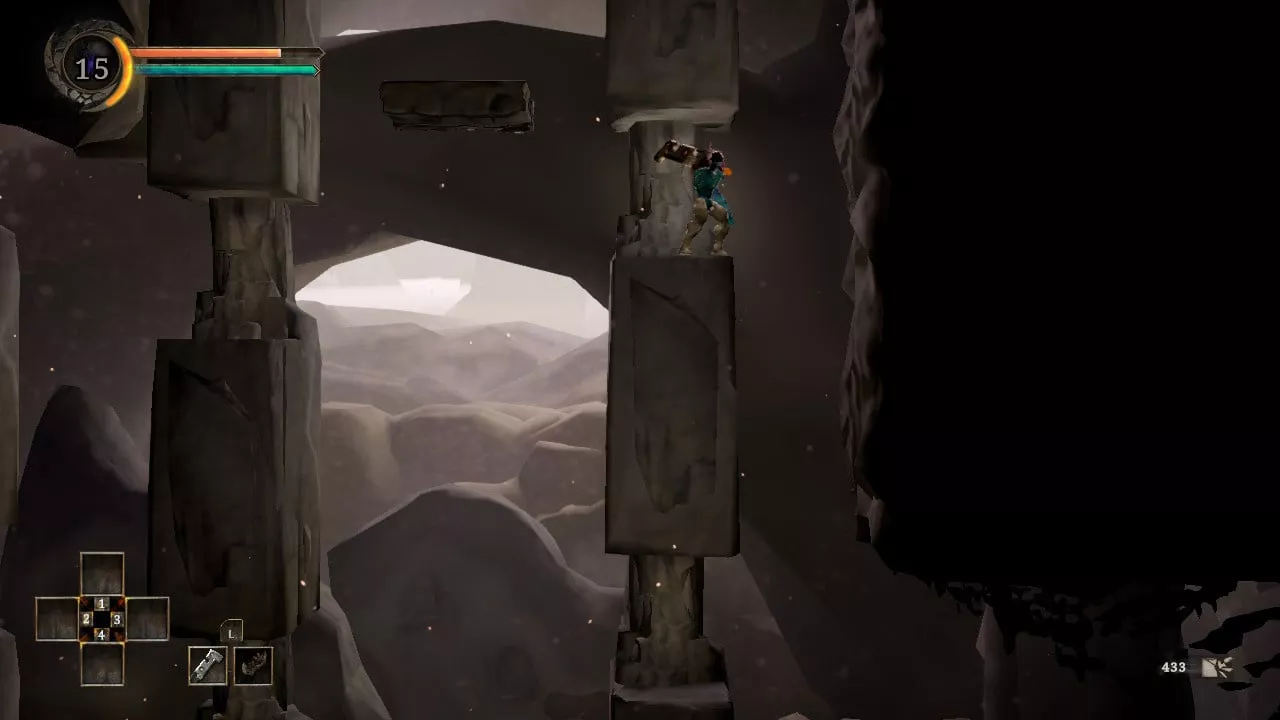
All these gameplay accolades paint a picture of a game that should be celebrated for its creativity, its challenge, and its innovative design. However, the transition onto the Nintendo Switch platform has not been without its issues. Sadly, technical problems plague Grime's Switch port, ranging from frame rate drops and input lag to texture issues and glitches. These technical shortcomings can disrupt the flow and enjoyment of an otherwise engrossing game, sometimes to a frustrating degree—and they are particularly jarring for a game that demands precision in its combat and platforming mechanics.
These issues are most prevalent when playing in docked mode, with an apparent degradation in performance causing the most significant impacts on the game's playability. Some respite is found when playing in handheld mode, particularly on an OLED model of the Switch, but even then, the game's darker aesthetic could remain problematic for some.
The harsh reality of Grime's porting issues cannot be ignored; they significantly hamper what is otherwise an artful and deeply engaging title. Despite these drawbacks, there is a glimmer of hope in playing in handheld mode, which offers a more stable and enjoyable experience, albeit with the potential strain on visibility in low-light environments.
For fans of the genre, Grime still offers a myriad of reasons to engage with its world. The narrative, the combat, the sense of progression, and the thrill of exploration all make for a game that can shine under the right circumstances. But for those venturing onto the Switch platform to experience Grime for the first time, it should be done with managed expectations, recognizing that this port carries blemishes that can't be ignored. Nonetheless, for those willing to endure its rocky technical state, Grime Definitive Edition on Switch holds much allure, just as a gemstone must be polished to fully reveal its inherent beauty.

You must be logged in to post a comment!
