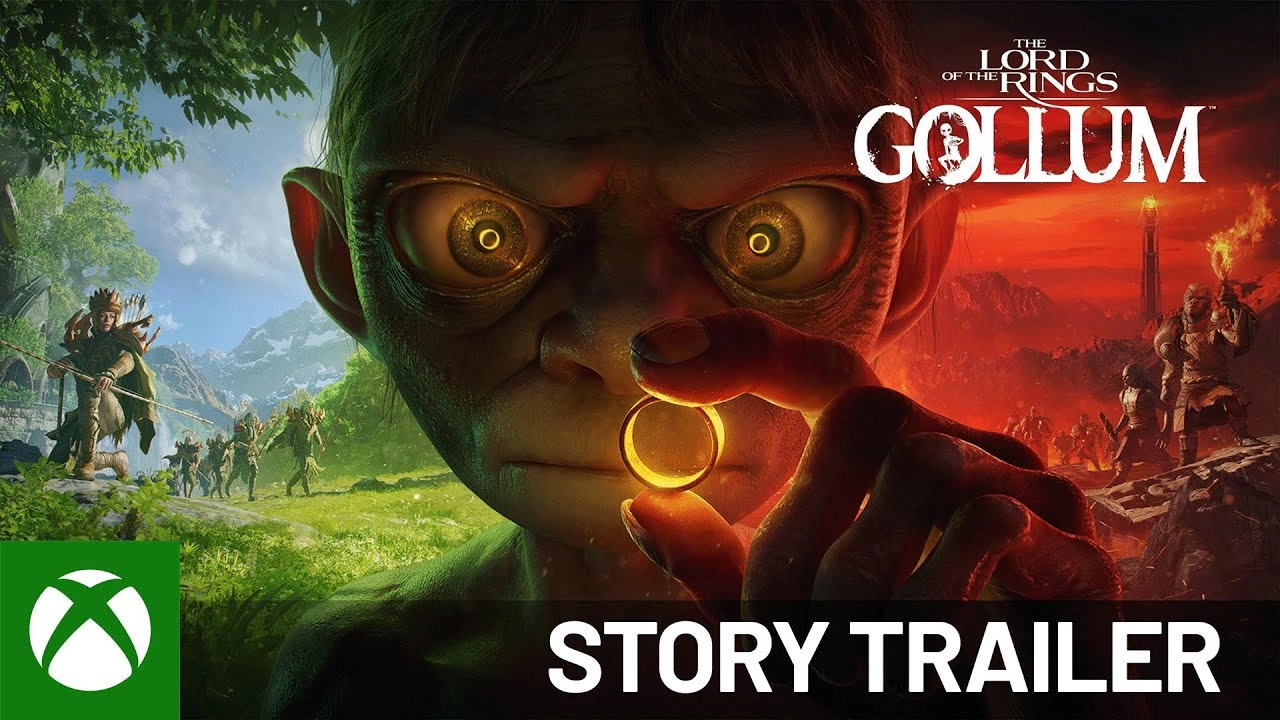
A year ago, the gaming world welcomed The Lord of the Rings: Gollum with high expectations. Developed for platforms including Xbox, this game promised to offer an immersive experience into the darker corners of Middle-earth. However, as the first anniversary of its release rolls around, the occasion is less of a celebration and more a moment of reflection on its significant struggles.
When The Lord of the Rings: Gollum was released, it was met with anticipation by fans of the franchise. Unfortunately, the excitement quickly turned to disappointment. The game received overwhelmingly negative reviews upon its debut. Players and critics alike highlighted numerous issues, from gameplay mechanics to narrative execution, which collectively contributed to a lackluster reception.
The problems with the game were significant enough that it didn’t just affect immediate sales and player satisfaction. The repercussions were felt deeply within the studio behind its creation. The poor reception and subsequent financial performance led to the unfortunate closure of the development studio, a stark reminder of the risks inherent in the gaming industry. This closure not only affected those employed at the studio but also served as a somber warning to other game developers about the volatile nature of game reception.
Reflecting on the reviews from professional critics and gamers, The Lord of the Rings: Gollum was labeled as perhaps the worst game released in 2023. Metacritic, a site that aggregates review scores, pointed out that only a lack of other heavily criticized games kept Gollum from being at the absolute bottom of the year's rankings. This highlights an industry-wide issue where even highly anticipated games can falter if every key element isn't perfectly aligned.
Despite the tough reviews, there was a faint glimmer of hope within the community feedback. Some gamers expressed opinions that, while the game was far from perfect, its execution wasn't as disastrous as mainstream reviews might suggest. However, these voices were few and far between, and the general consensus remained predominantly negative.
The commercial failure and critical panning of The Lord of the Rings: Gollum illustrate the complex nature of video game development. It’s a reminder that aligning creative vision with gameplay, narrative, and fan expectations is an arduous task requiring precision and innovation. The industry is unforgiving, and the line between a hit and a miss can be exceedingly thin.
In light of this, the team behind The Lord of the Rings: Gollum shared their thoughts a year after the launch, reflecting on the lessons learned and expressing hope for future projects. Many of the talented developers involved in Gollum are looking to apply their creativity and skills elsewhere, hopeful to leave a positive mark on future endeavors.
The anniversary of this game’s release serves as a poignant moment in gaming history, emphasizing that not every venture will be met with success, but each offers valuable lessons. The journey of The Lord of the Rings: Gollum will likely be remembered not for the game itself, but for the hard-learned lessons it provided about the perilous balance of game development.
These stories provide a crucial narrative to the ongoing discussion about how the gaming industry can better support developers and manage fan expectations, ultimately leading to better products and healthier working environments. As fans and creators alike look to the future, the hope is that the missteps of the past pave the way for greater successes down the line. Future game developers might well consider The Lord of the Rings: Gollum a crucial study in the risks and challenges of bringing beloved franchises to life in the video game format.

You must be logged in to post a comment!
