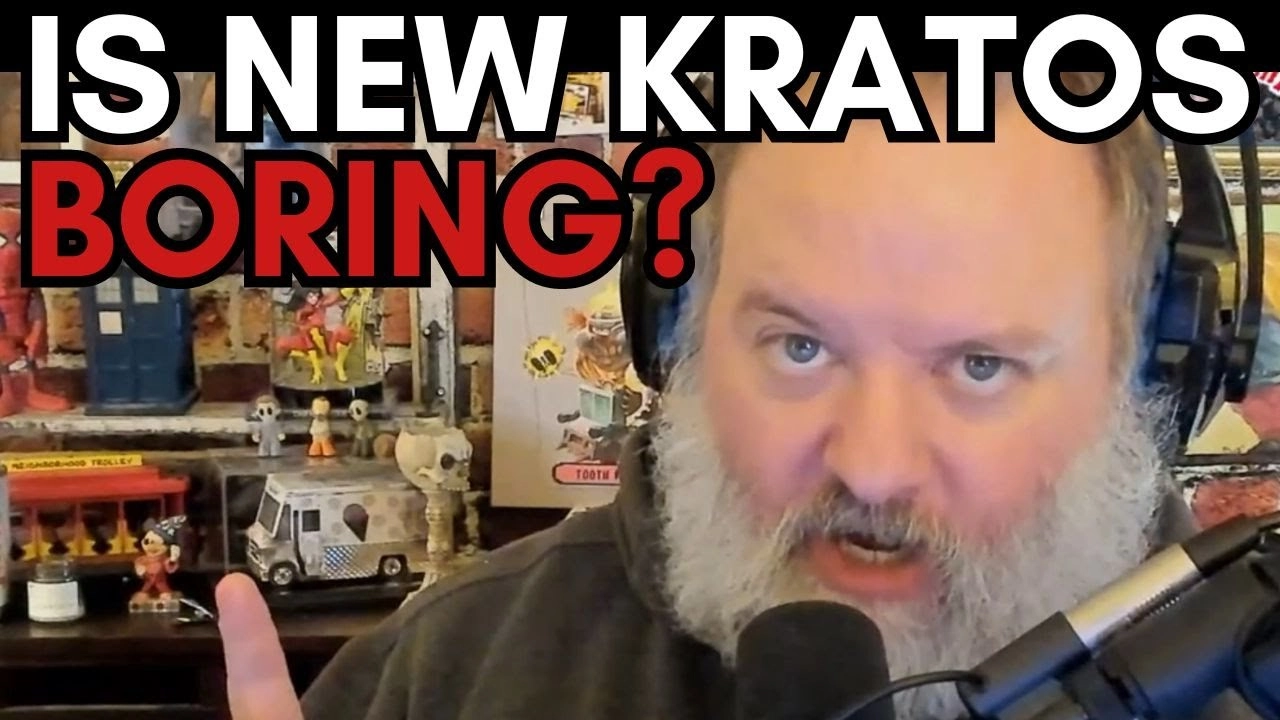
The character of Kratos has undergone a significant transformation throughout the God of War series, from the vengeful, anger-driven Spartan warrior in the early games to a contemplative and aged father in more recent titles like God of War Ragnarok. This change has sparked reactions from fans and critics alike, but one voice carries notable weight in the discourse surrounding Kratos' evolution: the character's creator, David Jaffe.
David Jaffe is not only the father of Kratos but was also instrumental in directing the original God of War and its sequel. His vision for Kratos was based on an unyielding, fierce warrior consumed by rage. However, since parting ways with SCEA in 2007, Jaffe has watched his creation morph under the guidance of a different development team at Santa Monica Studio, marking a departure from the relentless killer he had once envisioned.
The modern narrative arc of Kratos seems to reflect more mature themes, delving into aspects of family, fatherhood, and redemption. This pointed change is arguably a reflection of the maturing of the God of War development team itself, especially lead animator and current director Cory Barlog. Barlog took the reins of the franchise's 'soft reboot' with 2018's God of War and continued through its sequel, God of War Ragnarok. A documentary titled "Raising Kratos," released in 2019, vividly documents the developers' ambitions to evolve the character as a parallel to their own personal growth.
However, Jaffe has candidly shared his dissatisfaction with this direction in a YouTube video. He expresses firm opposition to the idea that the personal growth of game developers should influence the stories and characters they originally created, going as far as to suggest that if they want to explore these new themes, they should do so with new intellectual properties (IPs), not established ones like Kratos.
Jaffe relates the situation to the Indiana Jones franchise, stating emphatically that he is against the notion of using well-established characters like Indiana Jones, or in this case, Kratos, as vessels to communicate the personal journeys of their aging creators. He contends that this fundamentally changes what these characters represent, potentially alienating those who have invested in their original personas over the years.
In response to Jaffe's criticisms and the conversations they sparked online, Cory Barlog posted a GIF of actor Nathan Fillion on Twitter, possibly as a lighthearted acknowledgment of the debate. Barlog, throughout his tenure at Santa Monica Studio, has overseen multiple games in the series, indicating a sustained commitment to the character and the storytelling possibilities within the God of War universe. This could be seen as a contrast to Jaffe's perspective, emphasizing the fluidity and evolution inherent in any longstanding character or franchise.
The creative direction of the God of War series under Barlog's guidance has been met with critical acclaim, as seen in the widespread praise for the 2018 title and its sequel. The shift towards a more nuanced and emotionally-depth portrayal of Kratos has resonated with many players. There is a sense of witnessing the character's journey from sheer brutality to a path seeking atonement, reflecting an arc of growth that mirrors that of any individual confronting their past.
While the debate over Kratos' trajectory continues, what remains undeniable is the lasting impact the God of War series has had on gaming culture. Whether fans prefer the older, ruthless incarnation of Kratos or have embraced his more contemplative progressions, the God of War franchise remains an enduring standard in narrative and gameplay within the action-adventure genre. As the conversation around character development proceeds, the dichotomy between original intent and new explorations of identity in video game characters will likely persist, fostering a robust dialogue about the nature of storytelling in interactive media.

You must be logged in to post a comment!
