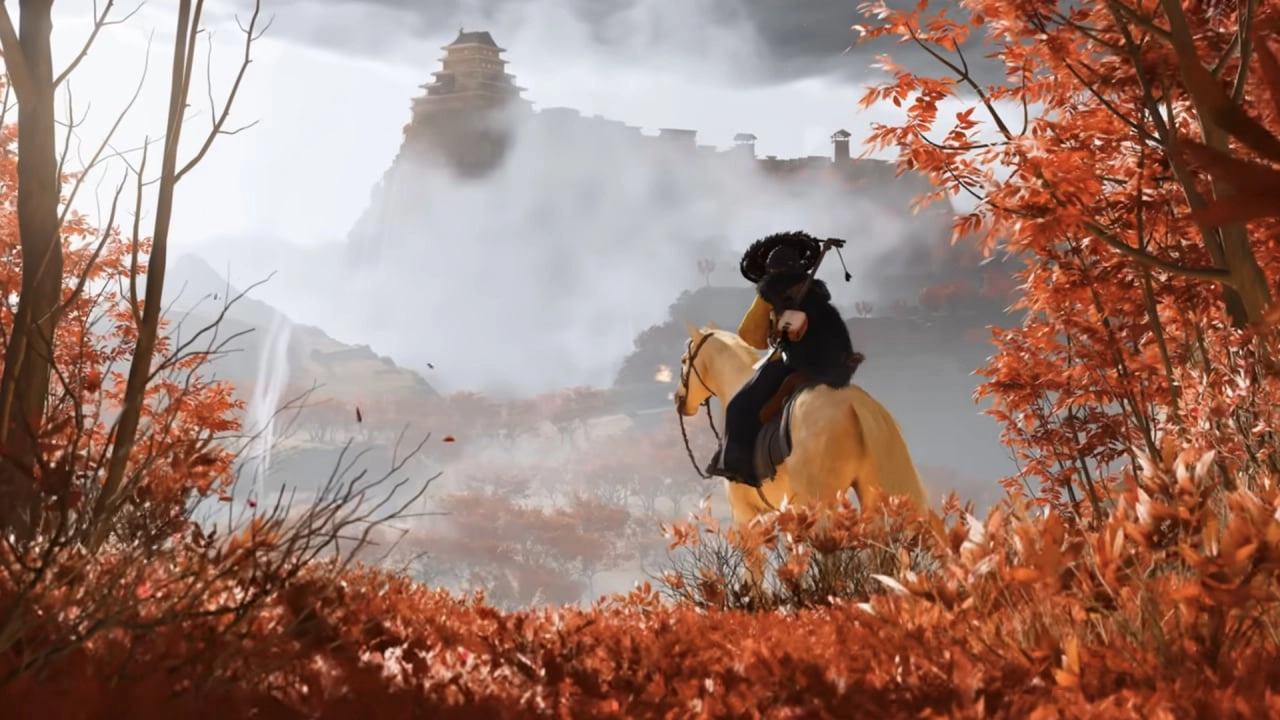
The sequel to the acclaimed Ghost of Tsushima, titled Ghost of Yotei, is setting the stage for an evolutionary leap in open world experiences. Scheduled for a 2025 release, this game is gearing up to provide a new level of engagement, addressing some of the repetitive issues that had been pointed out in its predecessor.
Ghost of Yotei, announced by Sony and its developer Sucker Punch, promises to revitalize the open world action genre by changing multiple aspects of the game. This transformation spans the setting, the period, and even the central character, marking a distinct departure from the previous installment. As Ghost of Tsushima was set in the late 13th century during the first Mongol invasion of Japan, Ghost of Yotei catapults players 300 years forward, immersing them in a more updated and possibly more complex version of feudal Japan.
In the original game, players explored the scenic but sometimes monotonously repetitive landscapes of Tsushima Island. Despite the positive critical acclaim for its gameplay mechanics and narrative, the game often fell into a pattern of repetitiveness with its side quests and world interactions, which could detract from the overall experience.
Recognizing this, the developers are keen to innovate on how the open world functions in Ghost of Yotei. In a recent interview with The New York Times, the creative director of the project, Jason Connell, elaborated on the approach to enhance the explorative facets of the game. He mentioned a concerted effort to avoid the mundane cycle of repetitive tasks that typically plague many large-scale open world games. By instilling a mix of unique encounters and diverse activities, Connell and his team aim to craft an environment that keeps the players engaged through novelty and unpredictability.
The anticipation around these developments is quite high. The promise of revamped world dynamics in Ghost of Yotei suggests an array of new features set to enliven the player's experience. It is likely that the game will include a richer storyline, woven with intricate side quests that feel impactful and meaningful rather than just fillers that pad out the gameplay hours.
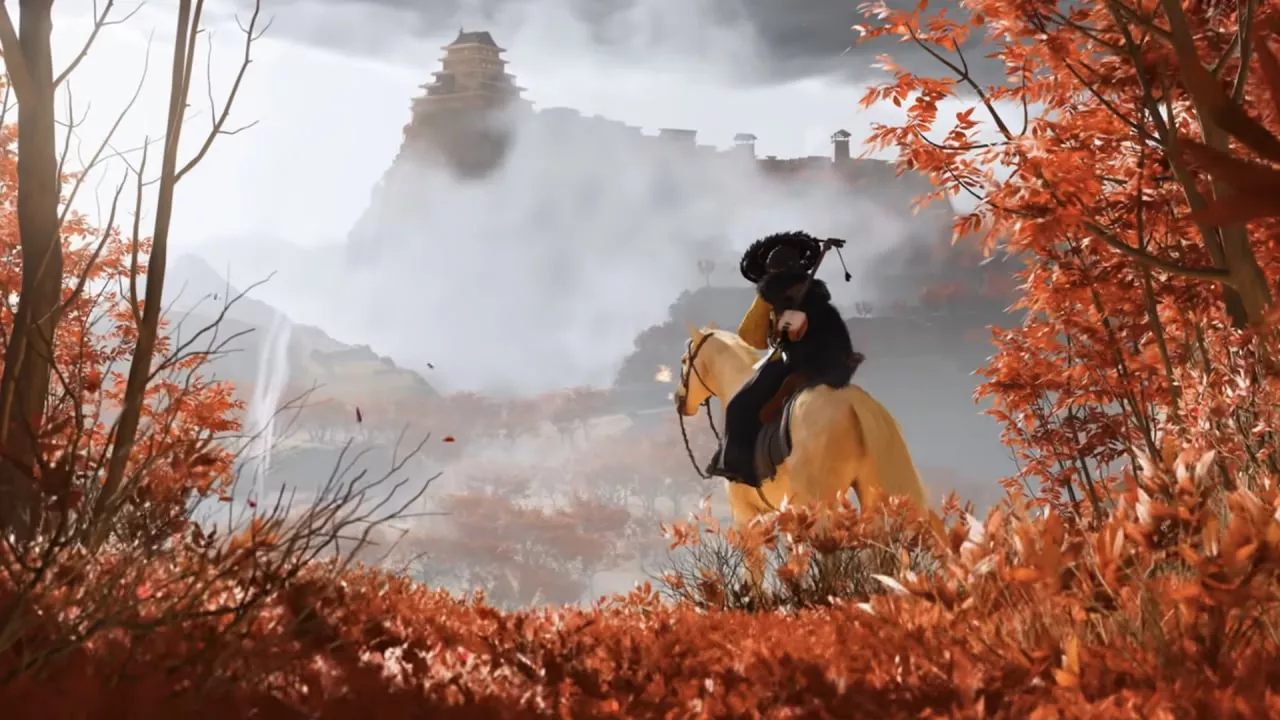
Moreover, the environmental design itself is expected to play a significant role. Northern Japan, with its rich history and varied landscapes, provides the perfect backdrop for such a vibrant open world. Players might find themselves navigating through dense, misty forests, ancient temples, and bustling townships, each offering unique interactions and secrets to uncover. These scenarios not only enhance the visual pleasure but also add layers to the gameplay, ensuring that each player’s journey through Ghost of Yotei feels personal and immersive.
The community’s reaction to these announcements has been overwhelmingly positive, with potential players expressing excitement over exploring the beautifully recreated realms of northern Japan on the PlayStation 5. The ability to delve into a game where every element feels crafted with care and intent is a tantalizing prospect for fans of the genre.
As the gaming landscape continues to evolve, titles like Ghost of Yotei are crucial in pushing the boundaries of what we expect from open world games. The focus on reducing repetitiveness and injecting fresh, exciting content could set a new standard for narrative depth and interactive freedom in video games. Ghost of Yotei does not just aim to tell a story or to occupy players’ time; it aims to offer a singular world that reacts, evolves, and thrives as players journey through it. With such ambitious goals, the next few years of development will be critical as these promises are translated into actual gameplay experiences that could captivate the global gaming community. It will be interesting to see how Sucker Punch takes the feedback from Ghost of Tsushima and molds it into this promising new venture.

You must be logged in to post a comment!
