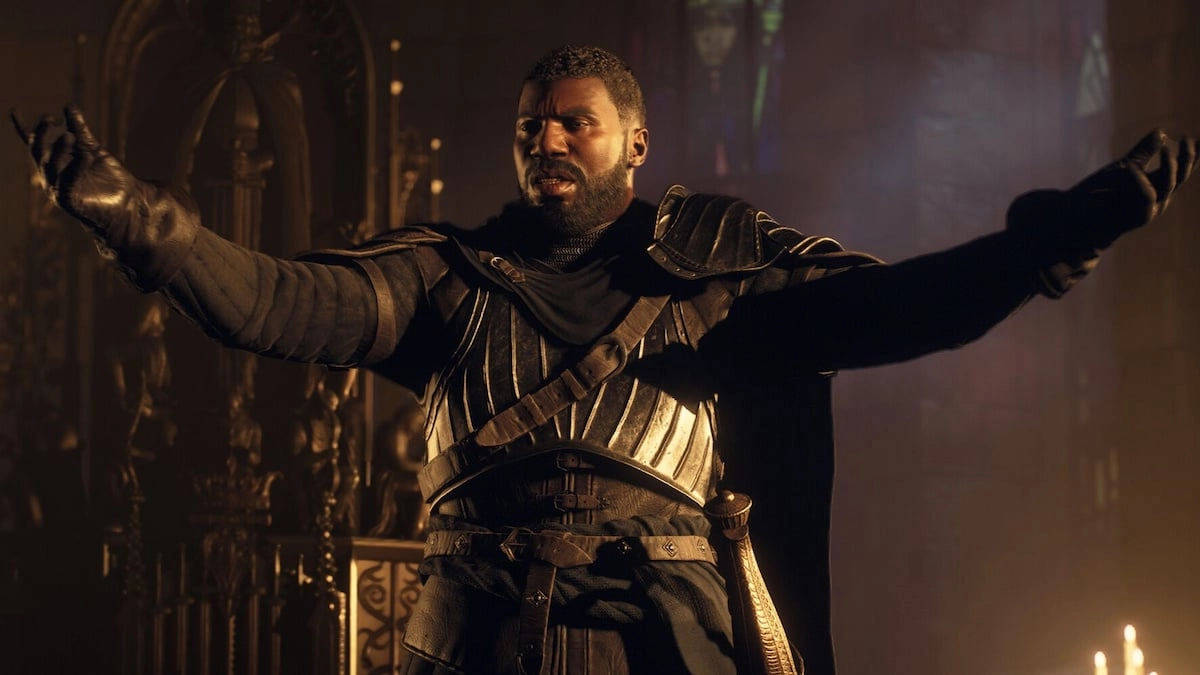
The world of gaming took an unexpected turn recently with players of "Dragon's Dogma 2" devising a gruesome strategy to enhance their gameplay experience. It all started when Capcom, the game's developer, informed IGN that the performance issues on the PC version could be attributed to the game's extensive list of over a thousand unique Non-Playable Characters (NPCs). Capcom mentioned that these NPCs, which could be permanently eliminated, were placing a considerable demand on the CPU.
The revelation sparked a dark but perhaps inevitable response from the game's community. Some players decided to take matters into their own hands, suggesting that reducing the number of NPCs could potentially increase the game's frame rate. The result was that a portion of the player base began plotting a "kill list" to test out their frame rate theory, although there has been no solid evidence so far to suggest that this macabre approach brings any significant performance benefit.
A thread quickly emerged on the Dragon's Dogma subreddit, guiding players who might want to boost their frames by detailing which NPCs could be deemed expendable. One particular user, r34_nuxia, claimed to have experienced an increase of over 15 frames per second by targeting any NPC who wasn't a shopkeeper and eliminating all guards, rhetorically asking, who would they protect if nobody was left?
What followed was a particularly chilling declaration from the user, who stated that in pursuit of optimum performance, there should be no discrimination: men, women, and even children NPCs should not be spared. This ruthless approach has surprisingly gained traction within the community, leading to the creation and sharing of numerous memes. These memes both mock and celebrate the newfound disregard for the game's digital citizens.
While we can't endorse the systematic killing of NPCs for performance gains, this strange development has underscored the depth and dynamism of Dragon's Dogma 2's open-world. The very ability for players to consider such a strategy reinforces the fact that the game offers a remarkably open-ended experience where player choices can have lasting impacts.
Our ongoing review can attest to the game's sense of adventure and depth of world-building, but this incident raises questions about the balance between performance and gameplay ethics. As this controversial practice gains momentum and becomes a topic of discourse, fans have expressed varied opinions. Some are intrigued by the possibility of smoother gameplay, while others are uncomfortable with the implications of such widespread in-game violence, even against virtual beings.
While it remains uncertain if a higher frame rate is indeed the reward for such actions, gamers are navigating the tricky terrain between technical optimization and the moral consequences of their virtual actions. The saga continues to unfold, and only time will tell if the frame rate improvements are genuine or if this trend is merely a passing curiosity born out of players' desire for a flawless gaming experience.
Regardless, Dragon's Dogma 2 has found itself at the center of an unusual gaming experiment. The game's complex relationship between technical performance and the moral choices players make within a virtual environment has sparked discussions that transcend the usual game strategy talks. It serves as a reflection of how modern gaming communities can generate surprising dynamics that developers might not anticipate, showing once again the unpredictable nature of interactive digital worlds.

You must be logged in to post a comment!
