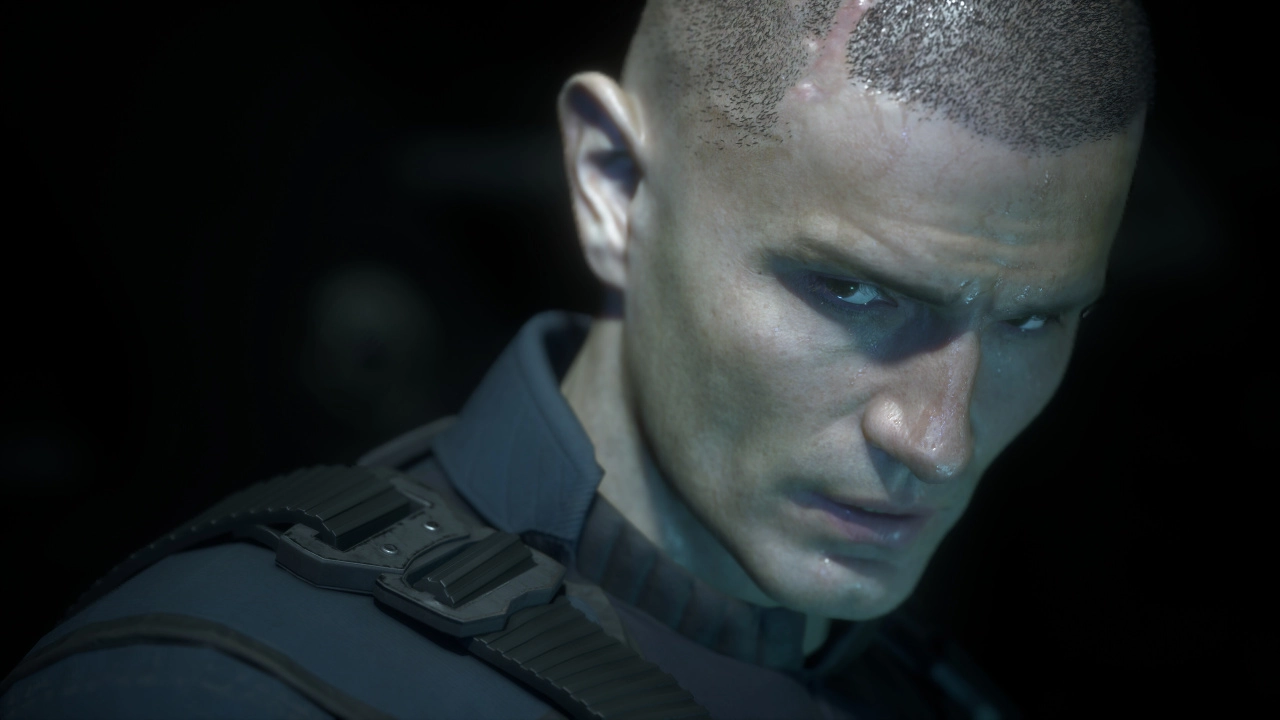
The Callisto Protocol was a highly anticipated game that promised to bring a fresh experience to fans of the horror-survival genre. Developed by a new team keen on establishing a distinctive identity, the title aimed to captivate players with its innovative design and thrilling gameplay. However, post-release, it became clear that the game could not entirely live up to its lofty ambitions. Recently, insights from Glen Schofield, the game’s director, shed light on the troubles that plagued its development process, revealing compromises and cuts that significantly impacted the final product.
Initially, the development of The Callisto Protocol was characterized by a high level of freedom and creativity. The dev team, led by Schofield, was given assurances of ample time to refine and expand upon their ideas. This period of unchecked creativity led to the conception of various game elements, including additional bosses and enemy types, meant to offer a richer, more engaging player experience. However, this smooth sailing did not last long.
Despite the promising start, changes in the game’s timeline and exponential pressures from going public with the game placed unexpected strains on the team. These challenges intensified as Krafton, the game’s publisher, took a more hands-on approach. By early 2021, the narrative within the development team began to shift dramatically. Promises of flexibility and support turned into demands for cuts and fast-tracking production to meet the looming deadline of December 2022. The need to quickly wrap up the project led to the eventual scrapping of significant content, including four major bosses and two unique enemy types.
These decisions, as Schofield expressed, were not merely minor setbacks but were detrimental to the game’s depth and complexity, potentially reducing the variety and richness of gameplay that could have set The Callisto Protocol apart from its contemporaries. This aligning closer to a production-centric rather than a creativity-driven approach often results in a game that feels rushed or incomplete - sentiments that echoed in the community and critic reviews following the game’s release. Although the game did arrive to a decent reception, it was clear that it fell short of becoming the groundbreaking title it was envisioned to be.
The development woes of The Callisto Protocol underline a common issue in the gaming industry where the creative vision of a game can be compromised by external factors such as investor demands and strict publishing schedules. Such pressures can stifle the creative process and lead to a product that does not fully reflect the developers' original intentions or the players' expectations.
Furthermore, The Callisto Protocol’s journey offers a cautionary tale about the risks and challenges faced by new and independent game developers attempting to enter the competitive gaming market. The balance between creative freedom and market-driven constraints remains a delicate dance for many in the industry.
Despite the setbacks faced during the development of The Callisto Protocol, the experience garnered by Schofield and his team has set the stage for future projects. Moving forward, they are now working on a new title using Unreal Engine 5, signaling a fresh start and an opportunity to apply the lessons learned from their previous endeavors. This shift not only represents a technical upgrade in their development tools but also possibly a strategic rethink in how they manage their relationship with publishers and their involvement in the game development process.
The saga of The Callisto Protocol’s creation and release is a reminder of the turbulence that can occur behind the scenes of developing major video games. It highlights the need for a supportive collaboration between developers and publishers, where the vision and creative integrity of the game are preserved to meet player expectations and deliver truly engaging experiences.

You must be logged in to post a comment!
