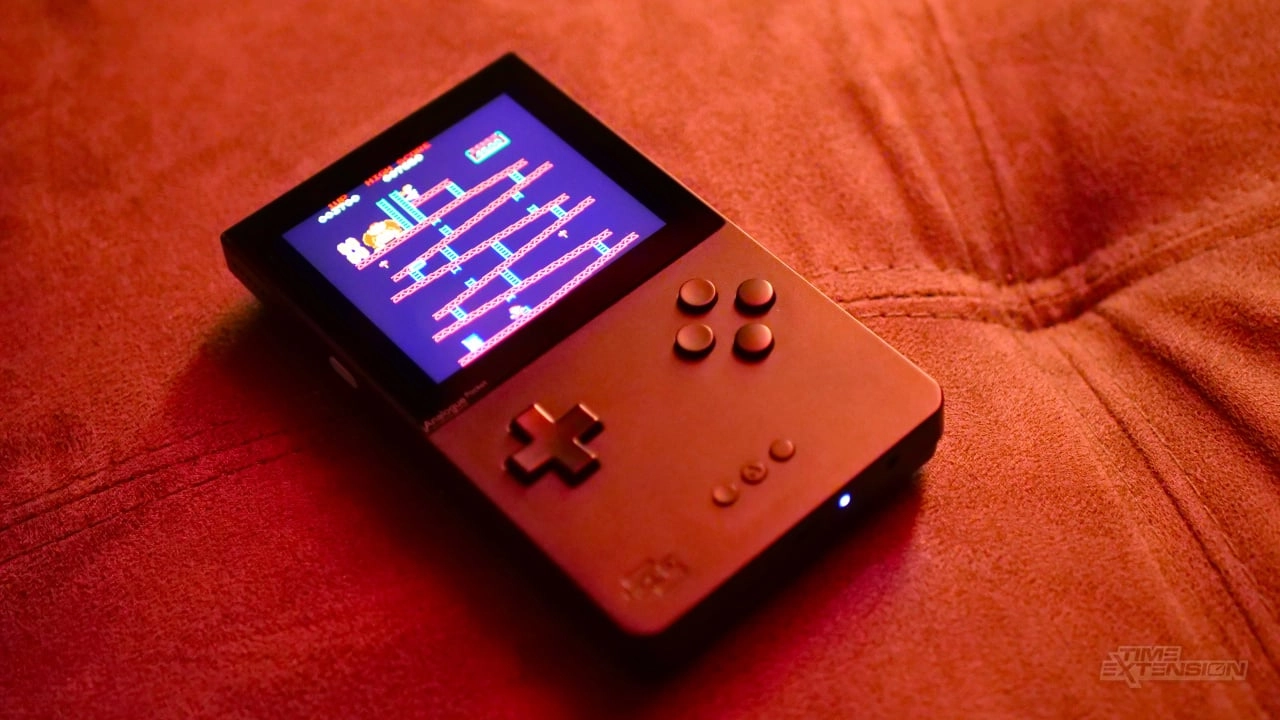
The FPGA retro gaming community, known for its dedication to preserving old video games by recreating their original hardware systems via modern Field-Programmable Gate Arrays (FPGA), is facing renewed internal drama. This niche but passionate community has seen its share of disagreements, and recent events suggest that tensions are high once again.
The root of the current conflict appears to center around two prominent figures in the FPGA scene: Pramod Somashekar and a developer known as Jotego. Both individuals are well-regarded for their contributions to the retro gaming preservation community, developing cores—software versions of hardware systems—that run on devices like the Analogue Pocket and MiSTer FPGA. These cores allow classic games to be played with high fidelity on modern equipment, a process that requires extensive knowledge of vintage hardware and software.
Pramod Somashekar, a key figure behind the MARS FPGA project and the Coin-Op Collection project, recently made comments that were perceived as critical of Jotego's approach to releasing FPGA cores. Somashekar's Coin-Op Collection includes highly polished cores of games like NARC, Smash TV, and Mortal Kombat. He emphasizes quality and completeness in his releases, which come out less frequently but tend to be in their final forms.
On the other hand, Jotego is known for releasing beta versions of his cores to patrons who support his work on Patreon. He then refines these cores over time based on community feedback and further research. This approach allows enthusiasts to engage with the development process and experience the cores sooner, albeit in a potentially less polished initial state.
The tension escalated with Somashekar publicly questioning the way Jotego manages his Patreon campaign and his process of core development, suggesting that Jotego might be "gatekeeping" his work because of a perceived lack of subscribers. This accusation touches on sensitive topics within the community, such as access to retro games and the philosophy behind game preservation.
Jotego responded by detailing the extensive work that goes into developing each FPGA core, including the efforts of a dedicated team. This public exchange highlights the differing philosophies on whether early access or finished products better serve the retro gaming community.
Moreover, there was a specific disagreement regarding the development of a Mortal Kombat core. Jotego claimed he had initially started work on this core but stepped back after learning that Somashekar’s project would also cover the game, suggesting a lack of communication or coordination among developers within the community.
This incident has sparked discussions on platforms like Reddit, where community members express confusion and concern about the apparent inconsistencies in Somashekar’s criticisms, especially since he also releases beta versions of his cores. The conversation reflects a broader debate on transparency, collaboration, and the ethics of monetizing these preservation efforts.
Both developers operate their projects as non-profit ventures, with the funds raised through Patreon being reinvested into acquiring and repairing original arcade boards for analysis and digital preservation. This work is critical for ensuring that classic games are not lost to time and can be enjoyed by future generations, underscoring the importance of harmony within the community.
The FPGA retro gaming community thus finds itself at a crossroads, needing to balance individual approaches to game preservation while fostering an environment of cooperation and mutual respect. Transparency in motivations and methods, along with open communication, might be key in resolving these ongoing disputes.
As this vibrant community continues to grow, the hope remains that its members can navigate these challenges effectively. The shared goal of preserving the legacy of retro gaming ideally will guide these talented developers toward resolutions that benefit not only themselves but the entire community interested in celebrating and preserving video game history. This ongoing story serves as a reminder of both the complexities and the importance of their work in maintaining the accessibility and enjoyment of classic games.

You must be logged in to post a comment!
