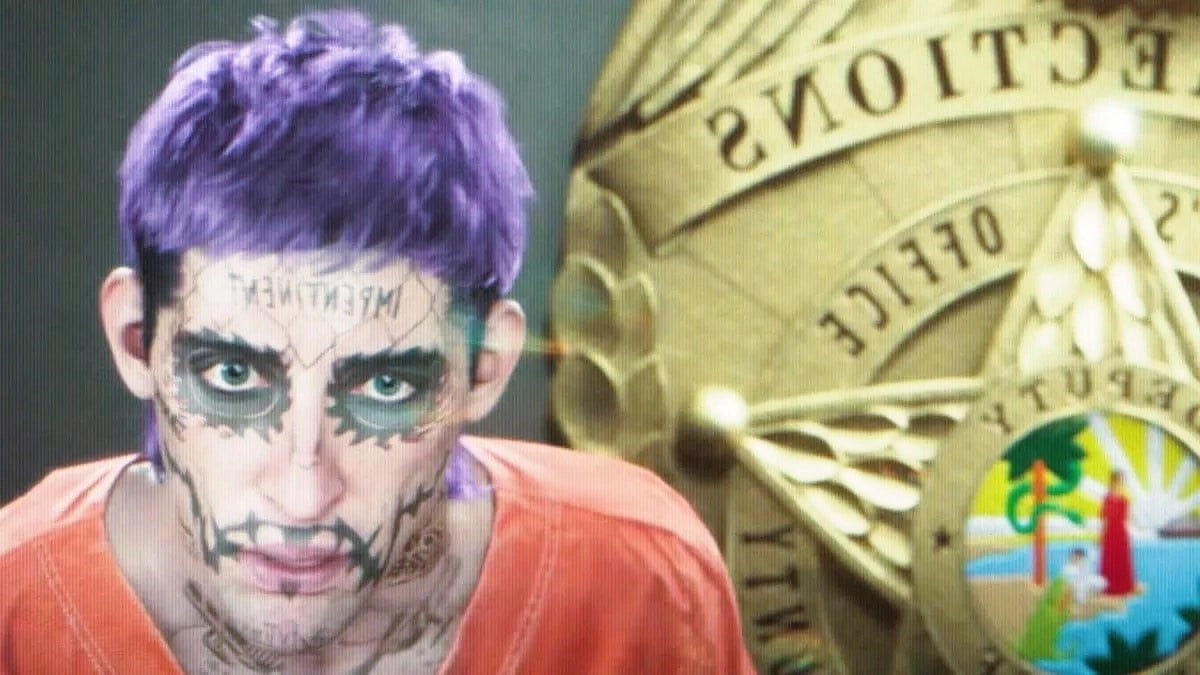
Lawrence Sullivan, better known by his moniker "Florida Joker," has made waves across the internet with his latest antics. Boasting freshly dyed purple hair and wearing an orange prison jumpsuit, Sullivan insists that he should be financially compensated by Rockstar Games—the video game giant behind the Grand Theft Auto series. Sullivan alleges that his likeness has been used in the highly anticipated GTA 6, and he's not just asking for chump change; he has slapped a hefty price tag of $3 million on the alleged appropriation of his image.
Sullivan's story takes an even more intriguing turn as he sets a three-day deadline for Rockstar Games to respond. He ominously hints at the chaos his lawyers will unleash if his demands are not met. The potential legal battle draws parallels to another high-profile case where actress Lindsay Lohan claimed that Rockstar had used her likeness for a character in GTA V. The lawsuit, however, was unsuccessful, serving as a stark reminder that parody and the right to fair use could mitigate against such claims.
The "Florida Joker" is leveraging his evolving persona—sourced from the famous comic book villain—in an attempt to put pressure on the gaming studio. His actions might be seen as bold or even audacious by some, but they raise legitimate questions about likeness rights and individual privacy. It is worth noting that Rockstar Games is no stranger to controversy or legal challenges, and given their robust legal team, it's likely that they have considered potential likeness issues in their game development process.
One could argue that Sullivan's claim is a stretch, especially considering the legal nuances of fair use and parody. Even within the gaming community, opinions are mixed. Some gamers sympathize with Sullivan's claim, suggesting that Rockstar could acknowledge his influence even if they don't owe him legal compensation. Others view Sullivan's actions as an overreach, pointing out the company's right to create characters inspired by cultural figures without direct compensation.
Sullivan's case becomes even more complicated when considering the nature of fame and notoriety in the digital age. As his online persona gains traction, it's conceivable that he could leverage his newfound fame to his advantage in other ways. Some suggest that instead of pursuing a potentially fruitless lawsuit, Sullivan could capitalize on his unique image and the attention he receives from the public and media to explore other opportunities.
Regardless of whether the "Florida Joker" will win his battle against the makers of GTA 6, his story has already added an intriguing chapter to the lore surrounding the game's release. Rockstar games have made a name for themselves, not only for immersive gameplay but for satirical takes on modern society, often walking the fine line between homage and infringement.
As for Lawrence Sullivan himself, the coming days will reveal whether Rockstar Games will respond to his demands and whether his threat to unleash his legal team will materialize into the courtroom drama he envisions. One thing is certain, Sullivan's claim is yet another testament to the complex interplay between popular culture, digital media, and personal identity that continues to unfold in unexpected ways in our modern world.
Ultimately, the Florida Joker's saga brings to the forefront the evolving conversation about the rights of individuals in the age of digital reproduction and virtual worlds. As technology blurs the lines between reality and fiction, cases like this may become more common, prompting a reevaluation of laws related to privacy, likeness rights, and the definition of fair use. Whatever the outcome, one cannot deny the flair with which the "Florida Joker" has approached his confrontation with a gaming juggernaut, whether it leads to a legal victory or simply more viral fame.
You must be logged in to post a comment!
