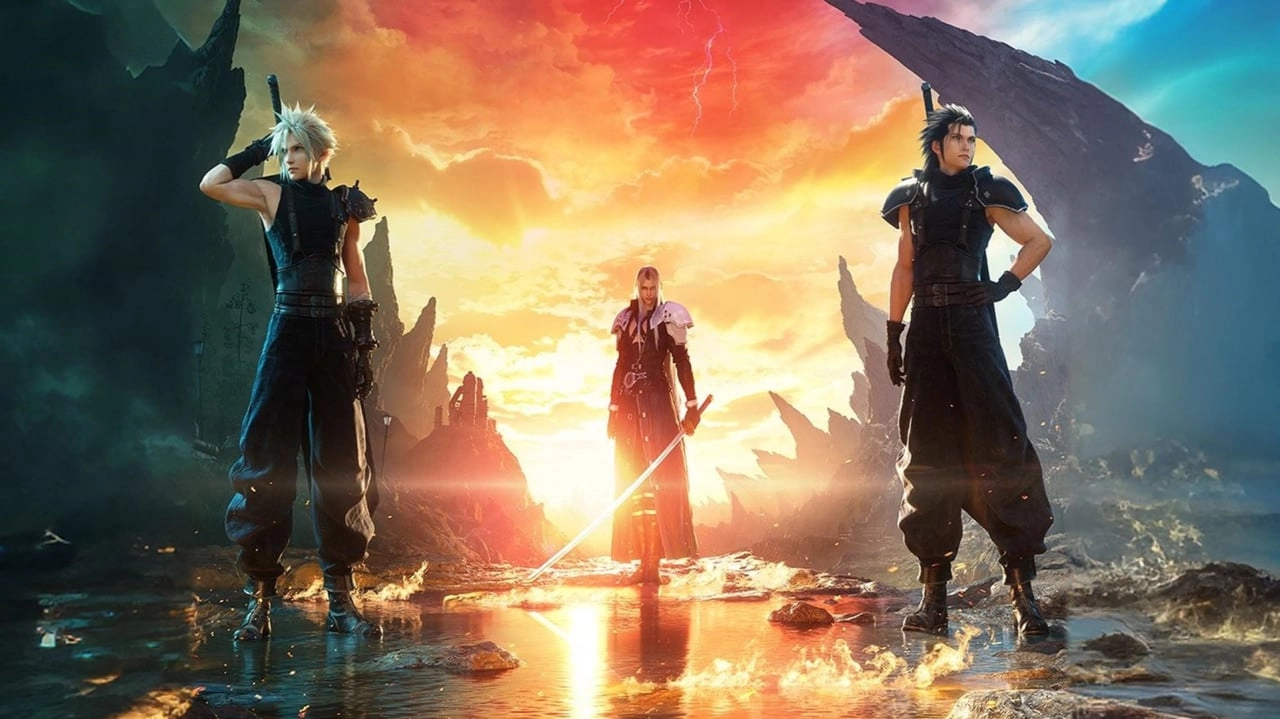
In an industry where console exclusivity can be a major determining factor for a player's platform choice, Sony has recently made a powerful move in securing exclusive rights for a beloved gaming series. The tech giant has confirmed that the entire Final Fantasy 7 Remake series, which includes multiple titles, will be console exclusives for PlayStation. This decision has significant implications for the gaming community and exemplifies the ongoing competition among console manufacturers.
The Final Fantasy series, developed by Square Enix, has long been a shining beacon in the RPG genre, offering players a blend of rich storytelling, intricate gameplay, and memorable characters. Specifically, the seventh installment, with its epic storyline and iconic protagonist, Cloud Strife, became a cultural phenomenon and shaped the genre in the late '90s. Recognizing the game's lasting influence, Square Enix embarked on creating a remake series to bring the narrative, graphics, and gameplay of Final Fantasy 7 to the modern era with improved technology and a deeper dive into its universe.
The remake series was announced with much fanfare, aiming to expand on the original story and split it into multiple, full-sized games. The first, Final Fantasy 7 Remake, was released in 2020 to critical acclaim. It refreshed the original while innovating with new mechanics and story elements. The sequel, Final Fantasy 7 Rebirth, and an untitled third installment are highly anticipated, sparking excitement among fans about the directions in which the franchise will grow.
However, the exclusivity agreement with Sony has changed the landscape for many console users. Traditionally, major titles like these would eventually make their way to other platforms, such as the Xbox and Nintendo systems, following their PlayStation debut. But Sony's recent decision firmly restricts these games to PlayStation consoles for their console life span. While PC ports may still occur, Xbox and Nintendo gamers will be left out unless there is a shift in Sony's strategy.
Christian Svensson, a third-party boss at Sony, offered some insight into the company's decision, alluding to the deep-rooted relationship between the Final Fantasy franchise and PlayStation consoles. Sony has a history of showcasing Final Fantasy titles as a leading force in demonstrating the technical capabilities of their platforms, and the remake trilogy is seen as yet another example of this. From stunning visuals to engaging combat, the remade series is expected to push the hardware to its limits and deliver an unparalleled gaming experience.
The repercussions of this move ripple out to the broader industry as well. With such a major series tied to their gaming console, Sony creates yet another compelling reason for gamers to choose PlayStation over competitors. The prospect of exploring the rich world of Final Fantasy 7 Remake, including its sequels, may be enough to sway undecided consumers.
Moreover, this exclusivity strategy showcases Sony's increasing reliance on third-party deals to bolster its console appeal. It’s a strategic decision in a landscape where PlayStation Studios continues to work on their own first-party titles. Interestingly, another forthcoming game, Final Fantasy 16, is currently a PS5 exclusive as well. This creates a pattern that indicates future Final Fantasy projects could also potentially be exclusive to PlayStation consoles.
The gaming community's reaction to such an announcement is mixed. While PlayStation users celebrate continued access to blockbuster titles that define the console experience, gamers on other platforms express disappointment in being locked out of a major series. The decision underlines the competitive environment where console makers secure titles to attract and maintain a loyal player base.
For Square Enix, this decision highlights the confidence in PlayStation as the ideal platform to showcase their high-profile projects. Sony’s backing ensures that the developers can harness the full potential of the console's hardware to create the most immersive and visually stunning experiences possible.
With the industry watching, this precedence of exclusivity begs a question – will other game developers and console companies follow suit and fortify their portfolios with similar exclusive arrangements? What this might mean for the console wars and the distribution of top-tier game titles across platforms is a debate worth having.
As the story of Cloud Strife continues to unfold exclusively on PlayStation consoles, gamers and industry experts alike are left to ponder the future of gaming experiences and the significance of exclusive content in defining the success and allure of a gaming platform.

You must be logged in to post a comment!
