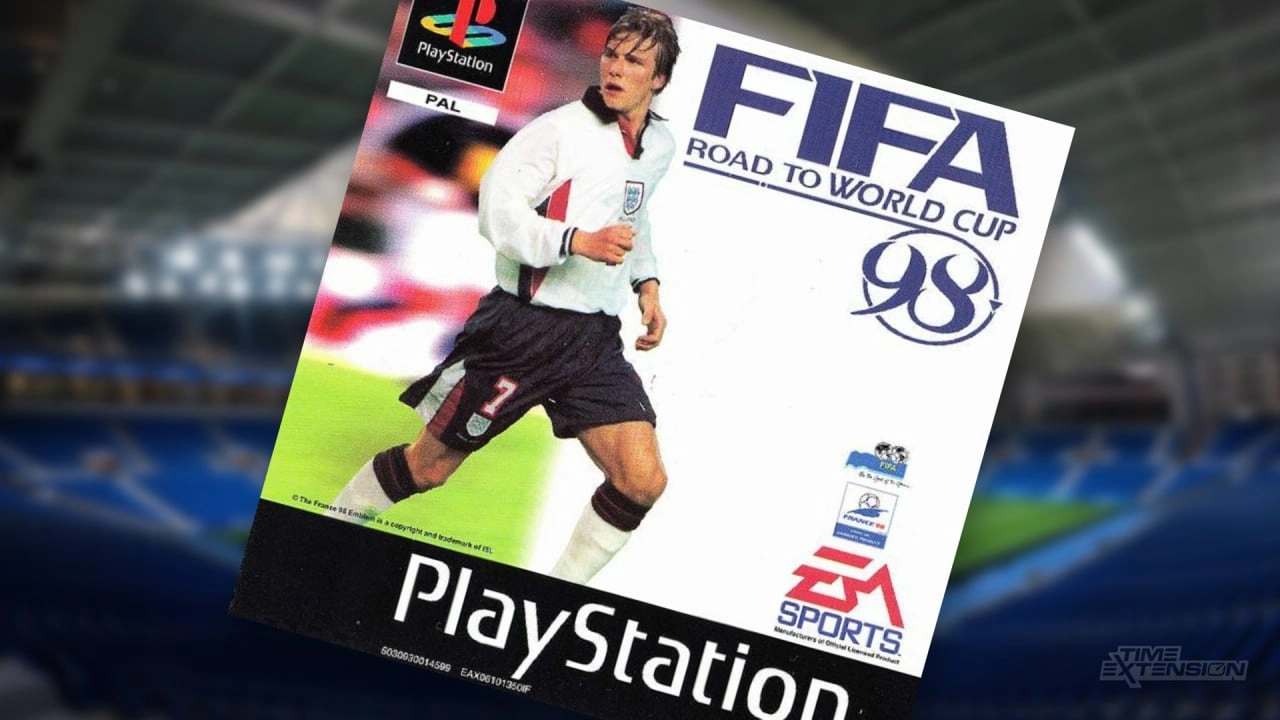
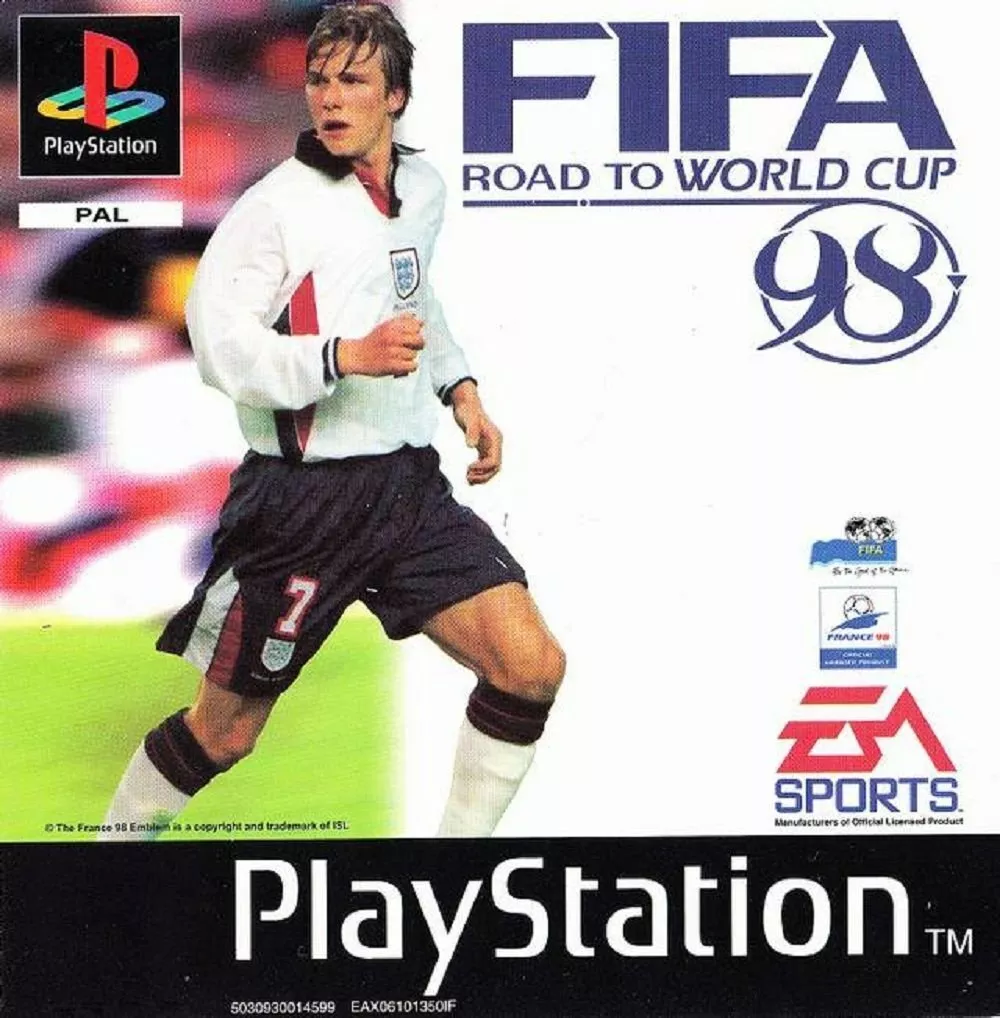
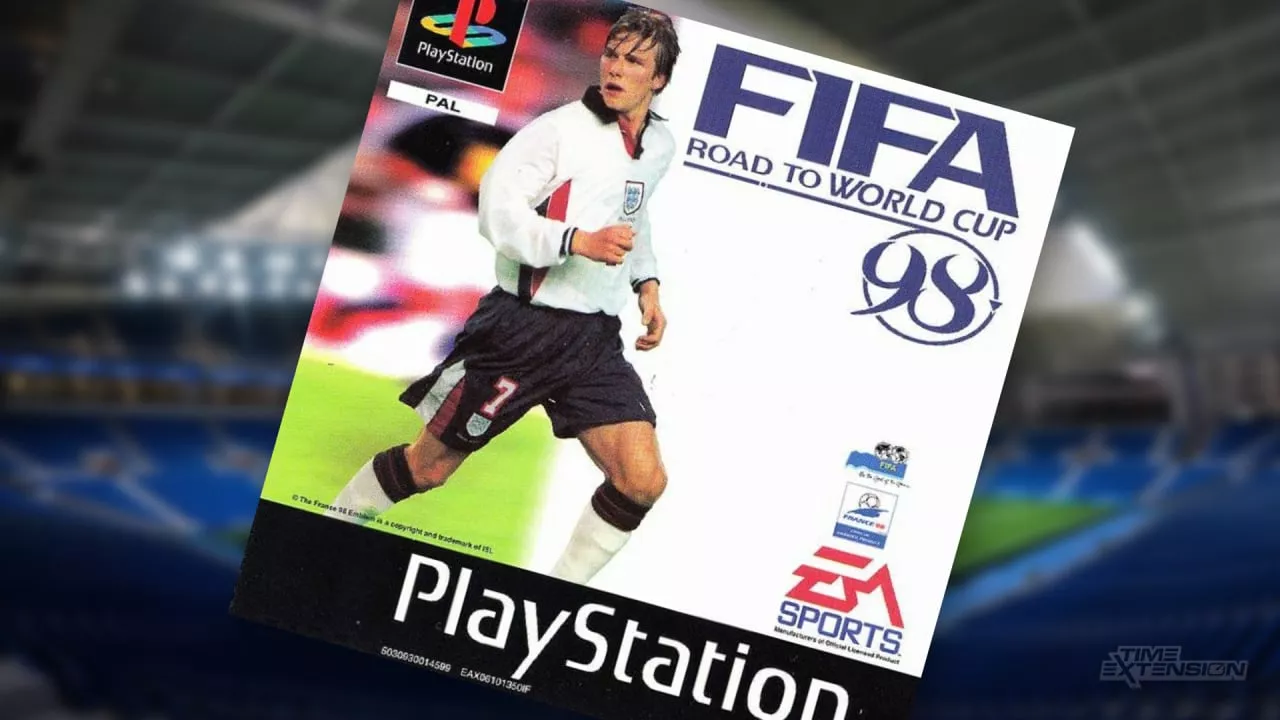
Back in 1997, EA Sports set the bar high when it released FIFA Road to World Cup 98, a game fondly remembered by fans of the franchise and considered by many team members as the greatest FIFA game of all time. This soccer simulation was remarkable, not just because of the engaging gameplay or inclusion of Blur's 'Song 2' on the soundtrack, but also for the herculean effort behind its making.
With the World Cup on the horizon, EA Canada seized the opportunity to create a three-title series that captured the essence of the global event. The team faced numerous challenges, from the lukewarm reception of FIFA 97 to the task of continuously pushing the limits of what was possible on contemporary gaming platforms. With FIFA 97 criticized for its less-than-ideal gameplay experience, the company's leadership, notably producer Marc Aubanel and executive producer Bruce McMillan, were determined to make amends.
The vision was ambitious: three high-quality games released in the span of a year—FIFA Road to World Cup 98, World Cup 98, and FIFA 99. Each game would focus on different aspects of soccer, from qualifying campaigns to the intensity of league play. The titles also featured all FIFA-registered national teams and numerous clubs across various leagues, an unprecedented step in terms of content.
EA Canada knew it had to refine the sluggish animations that had hampered FIFA 97. They initiated crucial advancements in motion capture technology, leading to a much smoother and more responsive gameplay experience for FIFA Road to World Cup 98. These improvements unlocked the potential for engaging and realistic soccer matches that resonated with players globally.
Another area that received a significant upgrade was the game's audio. The team revamped commentary by embracing various languages and correcting errors from the previous installment. Sound designer and programmer Robert Bailey spearheaded this effort, crafting an innovative way to record and implement the huge variety of player names, team calls, and exciting vocal reactions.
What truly set FIFA Road to World Cup 98 apart, though, was its iconic soundtrack. Acquiring licensed music was a contentious issue within EA, with concerns about budget and a preference for original compositions. However, audio specialist Chris Taylor, formerly of Canadian rock band The Payolas, was integral in bringing popular music to the FIFA series. The acquisition of 'Song 2' by Blur was emblematic of how the team could cleverly navigate corporate policies and licensing to bring a high-energy, authentic soundtrack that matched the game's dynamic nature.
The launch of FIFA Road to World Cup 98 was met with widespread acclaim and robust sales. It breathed new life into the franchise and set a new standard for soccer video games. Despite a grueling development cycle that took EA Canada to its limits, the final product was a testament to their passion and dedication to the series.
In the years following the release of these catalytic titles, the FIFA series continued to grow and evolve, but the legacy of FIFA Road to World Cup 98 remains untouched. It is not only a benchmark in the franchise's history but also a nostalgic touchstone for a generation of gamers who recall the thrill of virtual soccer excellence.
As McMillan and Aubanel ventured into new projects after their time with FIFA, FIFA Road to World Cup 98 stands as a pivotal point in their careers and in gaming history. The game's success lies not only in the numbers sold or the reviews it garnered but in the lasting memories it created for players worldwide, solidifying its place as a legendary entry in the annals of video game folklore.

You must be logged in to post a comment!
