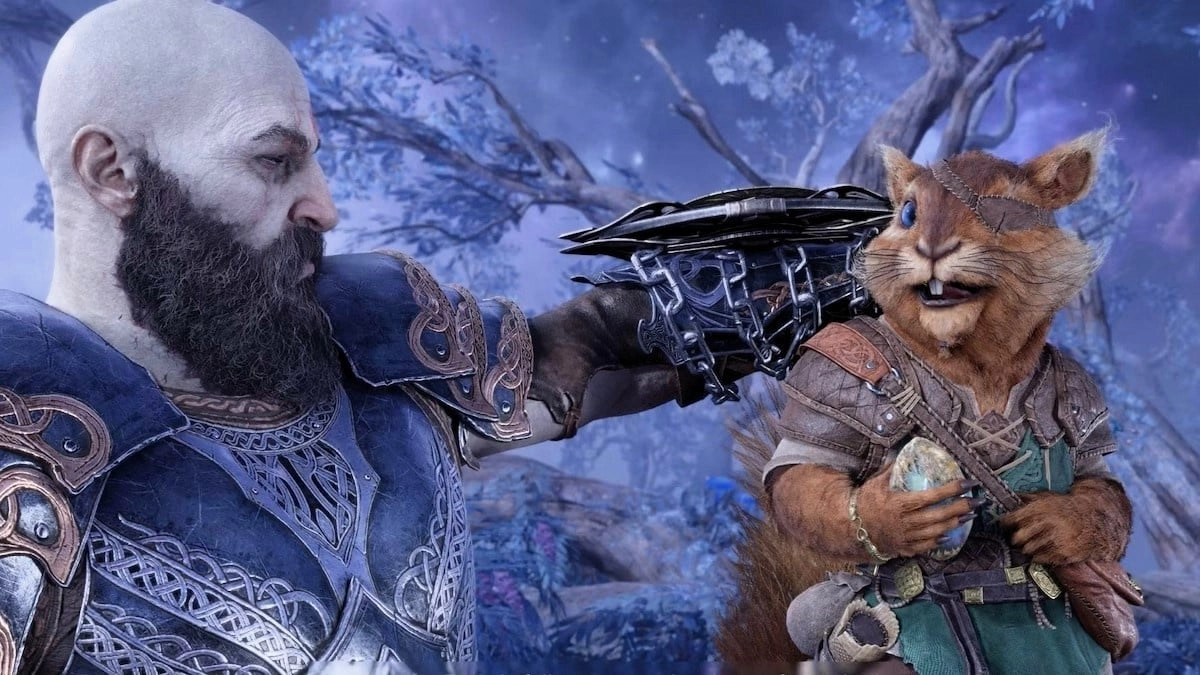
The world of video game modifications, or mods, is typically a vibrant field where creativity meets utility, allowing players to customize their gaming experience beyond what is officially offered by the game developers. However, this space can also sometimes clash with the legal and digital rights policies of major gaming companies, leading to controversies and retractions, as illustrated by a recent incident involving the PC version of God of War Ragnarok.
God of War Ragnarok, initially released for PlayStation consoles, made its way to PC gamers last week, bringing with it the burden of a PSN (PlayStation Network) login requirement that was not well received by the new audience on this platform. As a reaction, some users on Steam began review bombing the game, expressing their frustration over what they viewed as an unnecessary and intrusive stipulation.
Quickly responding to the community's displeasure, a modder created a modification that circumvented the PSN login requirement. This mod was made available on NexusMods, a popular site hosting a wide range of user-created content and mods for various games. The mod gained immediate attention and acclaim from the community for providing a solution to the unpopular PSN requirement.
However, the popularity of the mod swiftly turned into a double-edged sword for its creator. The mod not only caught the eye of thousands of grateful gamers but also major gaming news outlets including IGN and PC Gamer, which highlighted its existence and utility. This surge of attention made the modder apprehensive about the potential legal consequences of their creation, particularly from Sony, the parent company behind the PlayStation brand and God of War Ragnarok.
Sony is known for its stringent protection of intellectual property and digital rights, and while the realm of PC modding often operates in a gray area of legalities, the high profile of this particular mod raised fears of direct legal action. Consequently, and with hesitance, the creator decided to remove the mod from NexusMods. The decision was confirmed via a tweet by Nexus Mods, which explained that the removal was a preemptive measure to avoid any "potential threats" from Sony's legal team.
This situation brings to light the complex dynamics between game modding, user freedoms, and corporate policy enforcement. While modding can significantly enhance player experience and community engagement, it can also provoke copyright and policy issues, especially if it modifies game functionality in ways that circumvent monetary systems or platform-specific features imposed by developers or platform holders.
Despite the removal, the conversation around the necessity and enforcement of platform-specific requirements like the PSN login continues among the gaming community. Many argue that such prerequisites are detrimental to user experience and game accessibility, particularly when transitioning titles from console-exclusive to the more open PC market. Others point out that companies have the right to enforce their platform-specific ecosystems to ensure security, support, and potentially exclusive content or features which benefit their user base.
The incident also serves as a stark reminder for mod developers about the potential legal implications of their projects, urging them to consider both the immediate impact of their work on the community, and the longer-term implications involving the original game developers and publishers. For Sony's part, while it hasn't made any public moves to legally address this specific mod situation, the incident certainly spotlights the ongoing tension between maintaining control over game content and embracing the modding community, which can positively contribute to a game’s longevity and popularity.

You must be logged in to post a comment!
