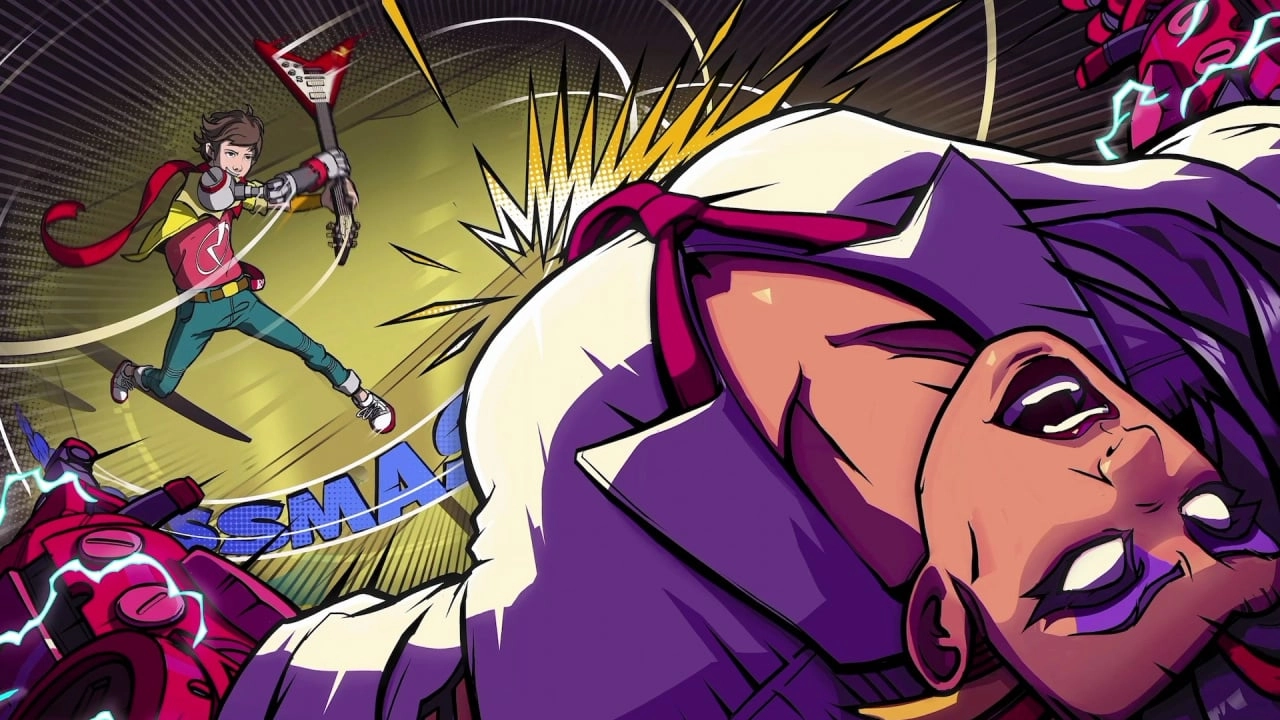
In an unusual twist of fate within the gaming industry, the recent shutdown of the video game development studio Tango Gameworks has led to an unexpected form of protest by fans. Instead of the more common negative review bombing seen in the industry, fans of Hi-Fi Rush, a game developed by Tango, have chosen to show their support and frustration through a flood of positive reviews on Steam. This movement started shortly after the announcement of Bethesda's restructuring under Microsoft, which mandated the closure of several studios, including Tango Gameworks.
Tango Gameworks, known for its creative and distinctive gaming projects, had a significant following thanks to titles like Hi-Fi Rush, which had been both a critical and commercial success. The decision to close the studio came as a shock to many, particularly because it seemed to contradict previous statements from Xbox executives about the value of diverse and prestigious game offerings. Matt Booty, head of Xbox Game Studios, had even emphasized the need for smaller, prestigious games that contribute to the brand's prestige and awards—criteria that Hi-Fi Rush had undoubtedly met.
The irony of the closure did not escape the gaming community. Hi-Fi Rush had been lauded for its innovative gameplay and artistic execution, bringing considerable acclaim to both Tango Gameworks and Xbox. In response, fans took to Steam to express their discontent with the decision by giving Hi-Fi Rush overwhelming positive reviews. This surge not only raised the game’s profile but also served as a symbolic act of protest against the studio's unwarranted shutdown.
The response on social media was equally vocal. Key figures associated with Tango Gameworks, including founder Shinji Mikami and project manager Kazuaki Egashira, expressed their disappointment and confusion publicly. They highlighted the contradiction between the game’s success and the decision to close the studio that produced it. Egashira, in particular, pointed to the numerous awards and the game's performance "in all key measurements and expectations," questioning the rationale behind the move.
This scenario has sparked a broader discussion about the current state of the gaming industry, particularly the strategies employed by large conglomerates like Microsoft. Critics argue that despite public statements prioritizing innovation and quality, the underlying actions often tell a different story—one where financial imperatives overshadow creative success. This has caused unrest among gamers and developers alike, who feel that economic considerations are stifling creativity and leading to the demise of well-loved studios and games.
The positive review bombing of Hi-Fi Rush serves as a reminder of the passionate community that video games cultivate—a community that remains ready to support the developers and studios that bring their favorite worlds to life, even in the face of corporate decisions that seem out of step with consumer and critical sentiment. It also underscores a potential mismatch between what corporations say and what they do, a significant point of contention in an industry where authenticity and creative integrity are highly valued.
The long-term impact of such a protest remains to be seen, but it has undoubtedly sent a strong message to Xbox and other industry giants: the gaming community values and stands by the studios and developers who create compelling and engaging content. This incident may very well prompt industry leaders to reconsider not only how they handle restructuring but how they communicate and justify these decisions to their audience. Only time will tell how this feedback will shape future policies and actions within the gaming industry, but one thing is clear—the voice of the gaming community is loud, and it demands to be heard.

You must be logged in to post a comment!
