
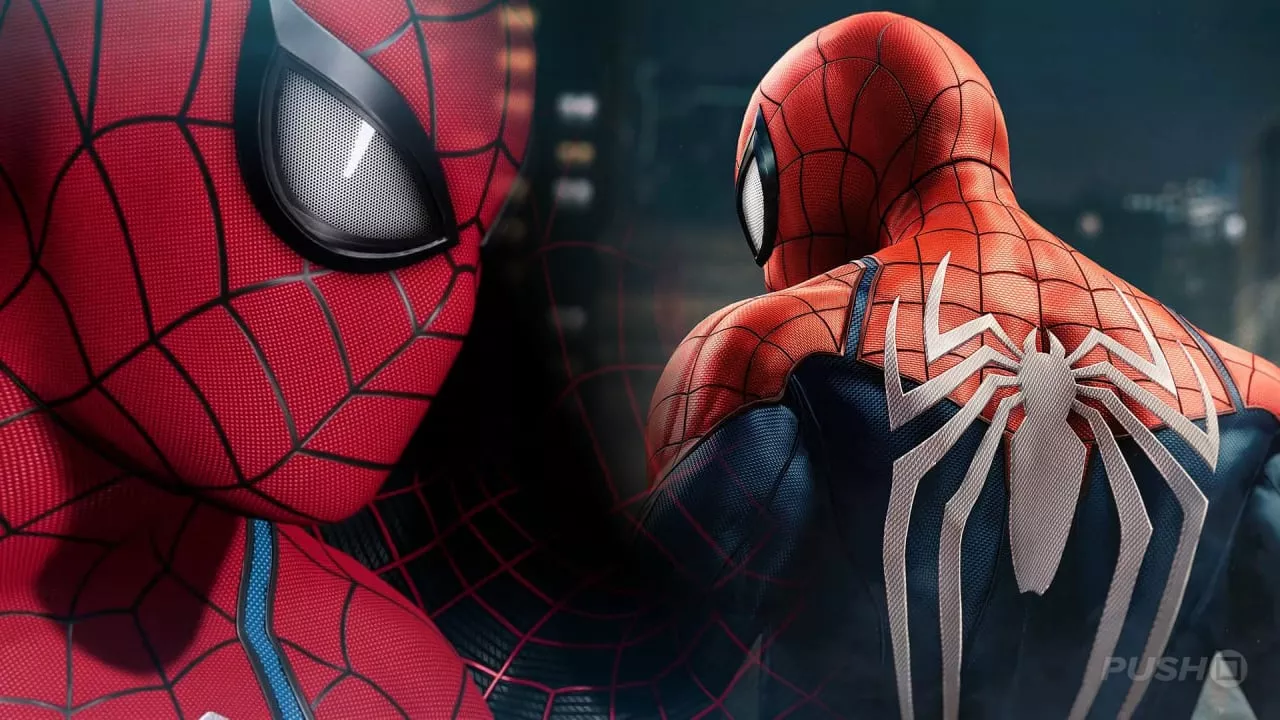
Marvel's Spider-Man 2, developed for PlayStation 5, has sparked considerable debate and disappointment from its fanbase due to the decision not to release downloadable content (DLC) post-launch. Many players were looking forward to DLC as it often extends a game's life, adds new narratives, or enhances gameplay, based on expectations set by the game’s precursor and other contemporary video games.
The dissatisfaction stemmed from an anticipation of DLC, fueled partly by leaks from a major hack that suggested plans for post-release support from Insomniac Games, the game's developer. These planned expansions were expected to continue or tie up storylines started in the game. However, Insomniac Games has stated that it will not be creating any DLC for Marvel’s Spider-Man 2 and will instead focus resources on other projects like Marvel's Wolverine and future iterations in the Spider-Man series.
Fans expressed their frustration on various social media platforms, pointing out that the absence of DLC not only prevents closure of plot threads introduced in the game but also has led them to perceive the sequel as incomplete. Some compared it to the first Marvel’s Spider-Man and even Marvel's Spider-Man: Miles Morales, both of which received DLC that either rounded out the story or introduced new content that significantly enhanced the playing experience. These previous expansions set a precedent and contributed to the expectation of similar post-launch treatment for the latest installment.
The criticism has escalated to the point of fans voicing their disappointment openly, labeling the game as one of the most disappointing in recent times and likening it to a mere spin-off rather than a true sequel. This sentiment underscores the gap between players’ expectations based on the game’s predecessors, which evidently enriched the gaming experience through their DLCs.
It is important to understand why video game developers opt out of creating DLC. Producing additional content for games can be resource-intensive and might require shifting focus from potentially bigger projects which could promise better returns or critical success. Insomniac Games, for instance, might prefer allocating its resources towards developing entirely new games or other projects with fresh narrative potential over expanding existing ones.
However, there is also an argument to be had regarding consumer expectations and the developer's communication about the game's roadmap. The Advance leak might have inadvertently set fans’ expectations for DLC, which the developer never confirmed officially. This misalignment between expectations and actual plans likely contributed to the backlash.
Despite the upset among some community sectors, there are players who appreciate the core game as it was launched. Some argue that the game itself is complete in their view, offering satisfaction without the need for additional content. This divide shows the subjective nature of gaming experiences and expectations, which can vary widely among players.
The situation surrounding Marvel's Spider-Man 2 reflects a broader conversation about the relationship between gamers and game developers, the expectations for continual updates and expansions in video games, and how developers convey their long-term plans for their creations. In an era where post-launch support and DLC have become normative, the expectations from both sides continue to evolve.
While some fans hold onto hope for future expansions, it seems clear that Marvel's Spider-Man 2 will continue to be a topic of debate. The reaction from the community suggests that, moving forward, clearer communication from developers regarding post-launch content plans might be necessary to manage expectations and maintain trust. Meanwhile, fans disappointed by the lack of DLC for Marvel’s Spider-Man 2 will have to wait to see how its narrative threads are eventually picked up in future games or spin-offs within the growing Spider-Man and Marvel game universe.

You must be logged in to post a comment!
