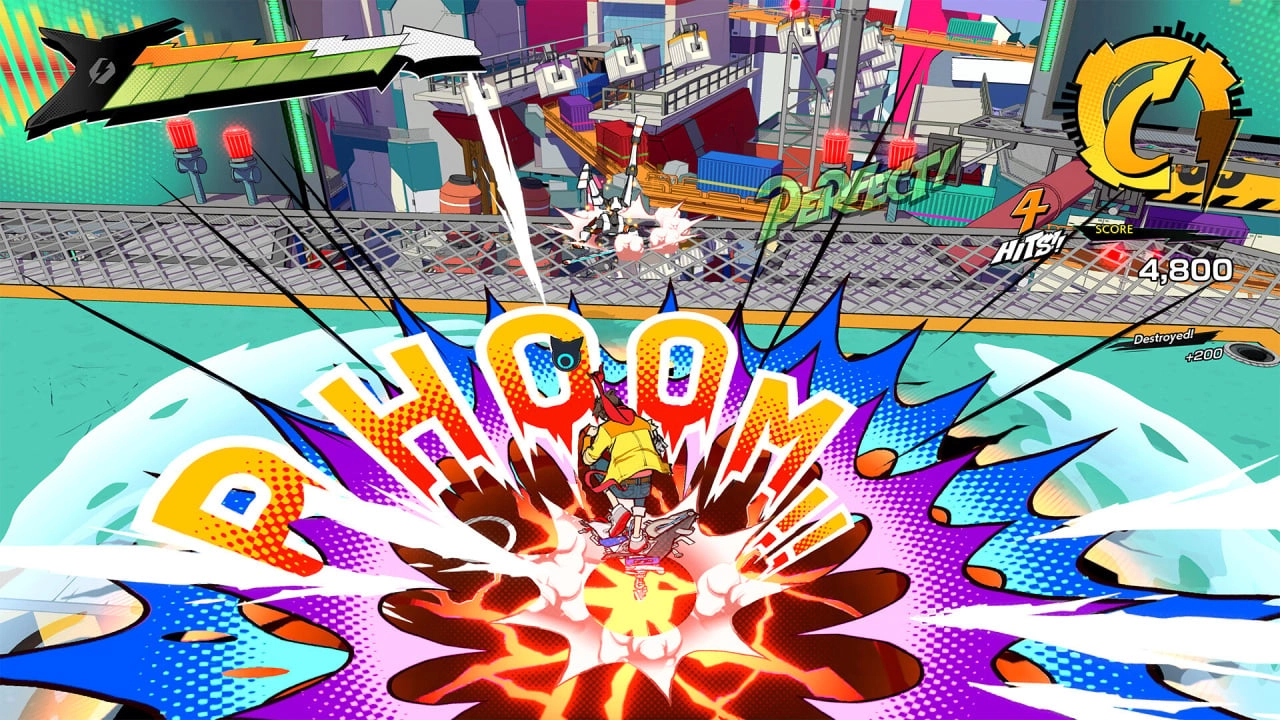
In the gaming industry, success is often measured by critical acclaim, fan reception, and sales milestones. Therefore, the recent shutdown of Tango Gameworks, a subsidiary of Bethesda Softworks owned by Microsoft, took many by surprise, especially considering the studio's recent achievements with the game Hi-Fi RUSH. This decision has sparked a flurry of questions and considerable disappointment among Xbox fans and the gaming community at large.
Tango Gameworks, founded by Shinji Mikami, known for his work on the Resident Evil series, had carved out a niche in the gaming world with titles like The Evil Within and Ghostwire: Tokyo, which combined unique storytelling with innovative gameplay. However, it was Hi-Fi RUSH, released as a surprise earlier this year, that emerged as a particularly noteworthy success. Praised for its vibrant visuals and rhythmic gameplay, the game quickly became a fan favorite and was lauded by critics, seemingly surpassing key performance targets set by Microsoft.
Despite Hi-Fi RUSH meeting all these key metrics and expectations, the studio faced sudden closure. The gaming community has been left bewildered by Microsoft’s drastic decision. Kazuaki Egashira, the game project manager at Tango Gameworks, expressed his bewilderment and disappointment through a poignant post on Twitter. Hours after the announcement of the closure, Egashira posted a photo displaying a line of awards that Hi-Fi RUSH had garnered. Accompanied by the caption “Not enough?”, his message resonated with a community already struggling to make sense of the situation.
From the outside looking in, the closure of Tango Gameworks seems to contradict the traditional metrics of success in the gaming industry. Hi-Fi RUSH not only received critical acclaim but also managed to create a significant buzz within the gaming community, suggesting a disconnect between the game’s success and the corporate decisions at Microsoft. This incident raises questions about the criteria and strategic planning behind such closures, hinting at possible underlying factors that go beyond publically stated expectations and achievements of a single game.
The reaction from Xbox and Bethesda fans has been one of frustration and sadness. Many see the closure as a loss to the gaming world, noting that Tango Gameworks had a unique flare in its game design and storytelling, which set it apart from many mainstream gaming franchises. The games produced by Tango were not just commercial products but also artistic expressions that resonated with a committed segment of gamers. This sentiment was strongly evident in community forums and social media, where fans expressed their disbelief and urged reconsideration of the shutdown.
Interestingly, the decision to close Tango Gameworks comes at a time when Microsoft has been adjusting its gaming division, possibly aiming for a restructuring to better align with its long-term strategic goals. Observers speculate that, despite the success of individual titles, broader business objectives and operational efficiencies may have influenced the move. This step might be part of a greater shift within Microsoft’s gaming strategy, although specifics of this strategy are not entirely clear and are subject to much speculation.
For the employees of Tango Gameworks, especially those who had poured their creativity and effort into making Hi-Fi RUSH a celebrated title, the closure is personal and disheartening. The sharing of award images by Egashira not only highlights the accolades that the game achieved but also serves as a subtle protest against the undermining of their hard work and achievements.
As the dust settles on this surprising closure, the future for the former team members of Tango Gameworks remains uncertain. However, the legacy of their creativity will likely continue to inspire current and future game developers. Similarly, the circumstances surrounding the studio’s closure will prompt further discussion and could potentially influence how game developers and corporate owners measure success and make strategic decisions in the future. This scenario serves as a critical case study in the complex interplay between creative success and corporate strategy within the video game industry.

You must be logged in to post a comment!
