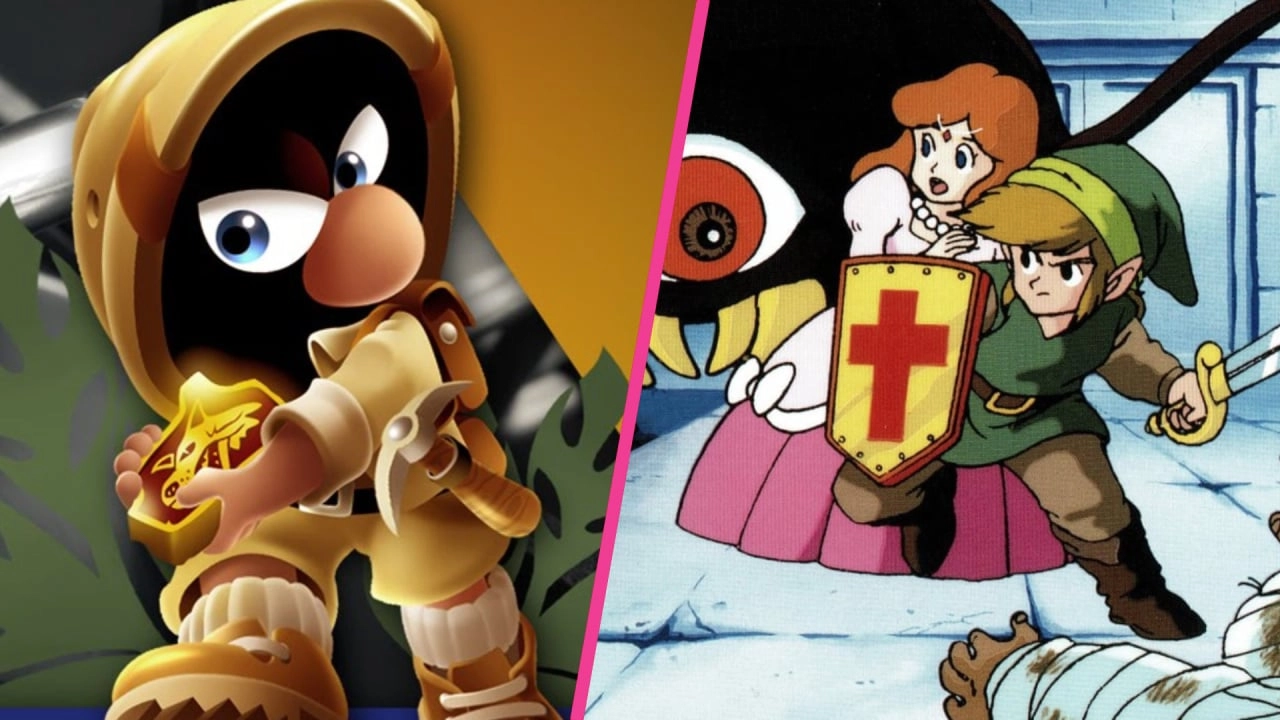
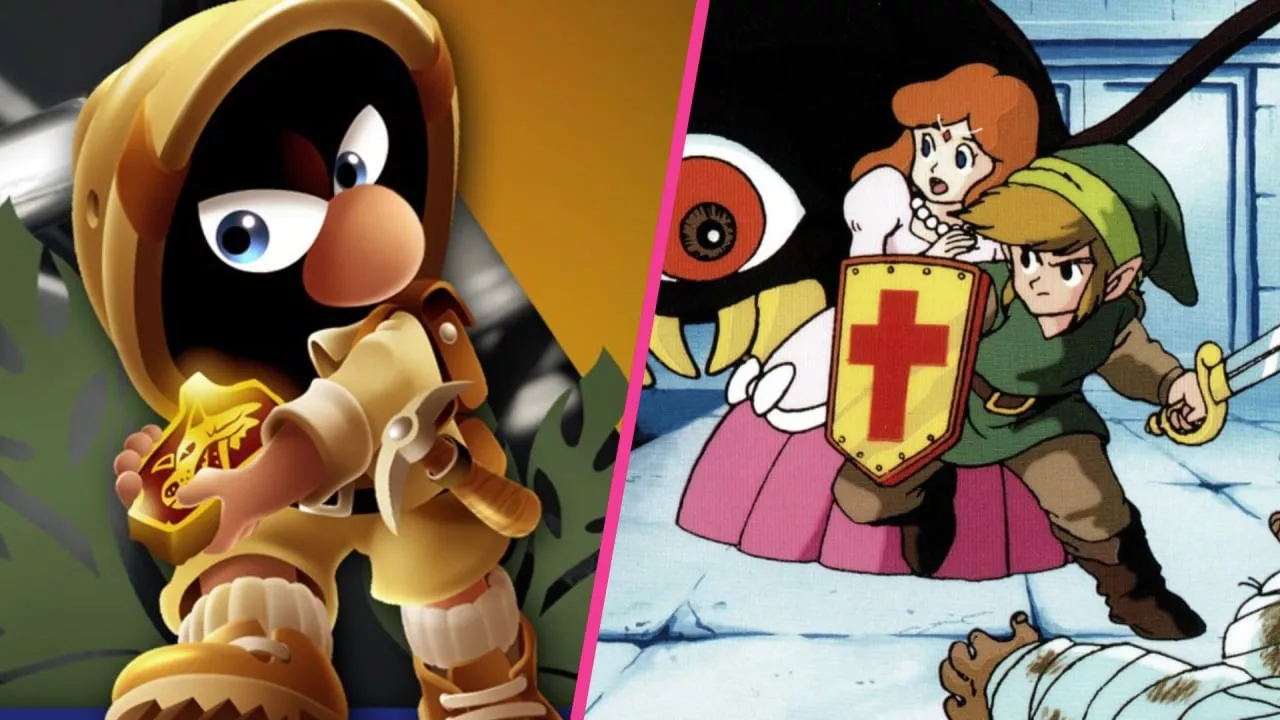
The world of video game development is often a mosaic of inspiration, influence, and iteration. Ideas are borrowed, transformed, and sometimes lead to disputes over originality. One such controversy involves the legendary title The Legend of Zelda and a comparably obscure game known as Sabre Wulf. The connection between these games came to light when John Pickford, a veteran in the gaming industry who had worked alongside the renowned Stamper brothers, shared a surprising anecdote from decades past.
Sabre Wulf, developed by Ultimate Play the Game, was released in 1984 and quickly made its mark in the UK gaming scene. It presented a compelling blend of exploration, combat, and experimentation that became a template for many adventure games that followed. Meanwhile, The Legend of Zelda, developed by Nintendo and led by Shigerapy Miyamoto, debuted in 1986 and became one of the defining titles for adventure and action RPG genres. It came to be known for its open-world exploration and immersive narrative, an innovation in the gaming industry.
According to Pickford’s recollection, the Stamper brothers, founders of Ultimate Play the Game, highlighted a connection between Sabre Wulf and The Legend of Zelda. They allegedly commented that Zelda was Miyamoto's "rip-off" of Sabre Wulf. This remark was revealed during a casual conversation, yet it adds a layer of intrigue to the origins of Miyamoto's seminal work.
Miyamoto himself has consistently credited his childhood adventures in the natural environments around Kyoto as the inspiration for the landscapes and exploration in Zelda. This acknowledged personal inspiration contrasts sharply with the claim of a direct video game precursor like Sabrealody, namely Wulf. While many games before Zelda had elements of adventure, none had woven them together in quite the same influential way, making Miyamoto’s title a revolutionary step in game design.
It is worth considering the environment of the mid-1980s video game industry to understand the plausibility of the Stamper's claim. At that time, the UK gaming scene was somewhat isolated from Japan's, and the flow of information and games between the two regions was not as fluid as it might be today. Ultimate Play the Game’s titles, including Sabre Wulf, although popular in the UK, were not widely known in Japan. This fact casts doubt on the possibility that Miyamoto had direct access to Sabre Wulf before or during the development of The Legend of Zelda.
Furthermore, the Stamper brothers themselves gained prominence later when their company, rebranded as Rare, forged a partnership with Nintendo. This collaboration only came after The Legend of Zelda's initial release. Rare’s relationship with Nintendo began with them showcasing a reverse-engineered NES, leading to them becoming the first Western company to develop games for the console. This timeline suggests that any direct influence of Sabre Wulf on Zelda through the Stampers is highly unlikely.
However, the video game industry is renowned for its interconnectedness and the myriad ways in which games influence one another, often indirectly. Elements from Sabre Wulf could have seeped into the broader gaming lexicon and reached Miyamoto’s team through multiple channels or simply through the evolving norms of game design around the world.
Rare later revisited the Sabre Wulf series in 2004 with a new game for the Game Boy Advance, indicating the lasting impact of the original title. Similarly, The Legend of Zelda series has grown into one of the most beloved and critically acclaimed video game franchises in history, continually reinventing itself while retaining the core elements of exploration and adventure introduced by Miyamoto.
The statement from the Stamper brothers adds a layer of historical curiosity to The Legend of Zelda’s legacy. Whether it was a direct influence or not, the comparison underscores the complex web of creativity and influence that defines the video game industry. Both Sabre Wulf and The Legend of Zelda have contributed uniquely to the fabric of gaming, each fostering innovation and inspiration that has propelled the evolution of video games.

You must be logged in to post a comment!
