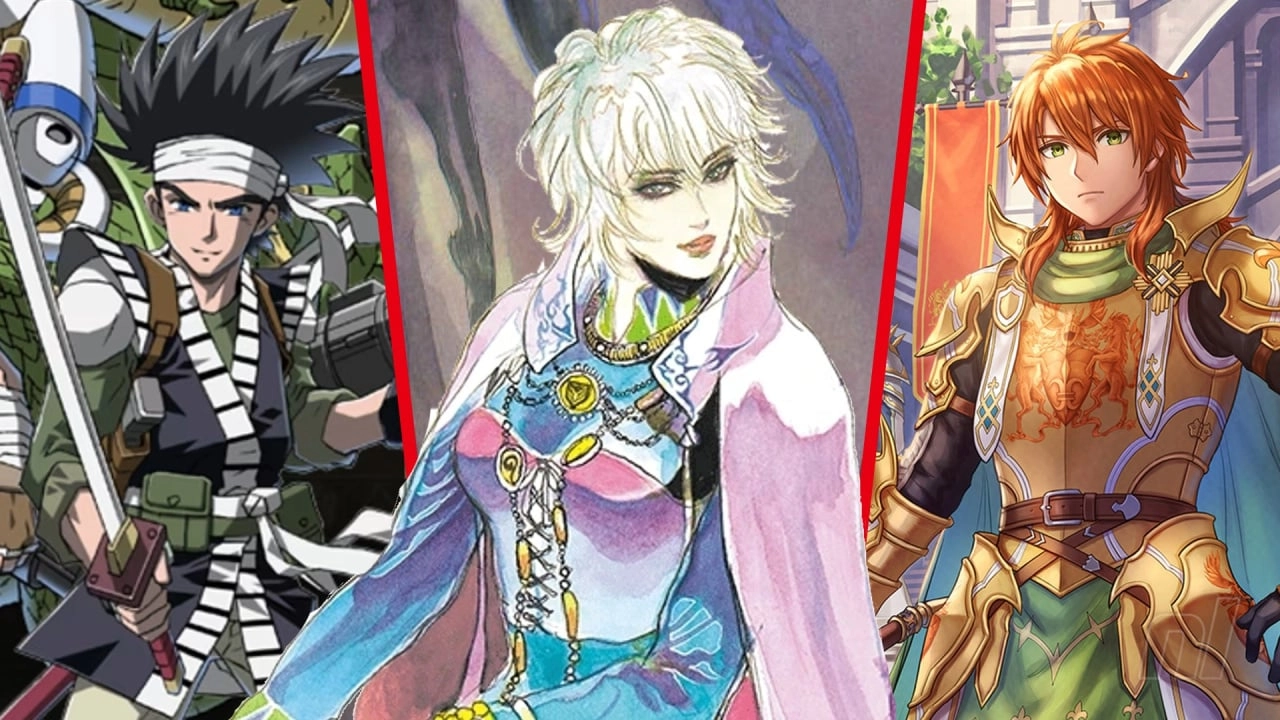
Before diving into the heart of the SaGa series, a flagship RPG series by Square Enix, it is essential to recognize the creative force behind it—Akitoshi Kawazu. Born in 1962 in Oguni, Japan, Kawazu was not just another kid; he was one with a strong will and a fascination with sci-fi and video games. He drew early inspiration from games like Ultima IV, which taught him that video games could offer more than just linear paths to victory; they could provide rich, immersive experiences and diverse narrative offerings.
Kawazu’s entry into Square came in 1985, kicked off by a stint as a magazine writer and a fortuitous job application to Square, despite having never heard of them before. He landed a graphic designer position and quickly began influencing game designs with his unique philosophy influenced by his love for board games and storytelling.
His real breakthrough came with the development of Final Fantasy II. Unlike its predecessor, Final Fantasy II was designed with a more story-driven approach, discarding traditional leveling for a system where characters developed based on their actions in battle, a system that intrigued gamers and set a new course for RPG development.
The genesis of the SaGa series began as an offshoot of Final Fantasy. With the Game Boy booming, Square wanted to capitalize on the success of Tetris with another hit title. Kawazu had other plans, believing that the RPG genre could prove just as alluring on the handheld. The first SaGa game, known as The Final Fantasy Legend in the West, featured worlds housed within a tower each player sought to climb—an idea setting the stage for the series' hallmark of multi-world adventures and non-linear storytelling.
SaGa's unique selling point was not just its storytelling but also its innovative mechanics, which included allowing players to choose from different races rather than predefined classes, each developing differently based on actions like combat or item usage, rather than through experience points alone. These innovative mechanics were further expanded in SaGa 2 and SaGa 3, with enhancements like mutable party roles and world exploration across different times and spaces, which solidified SaGa's reputation as an innovator in the RPG genre.
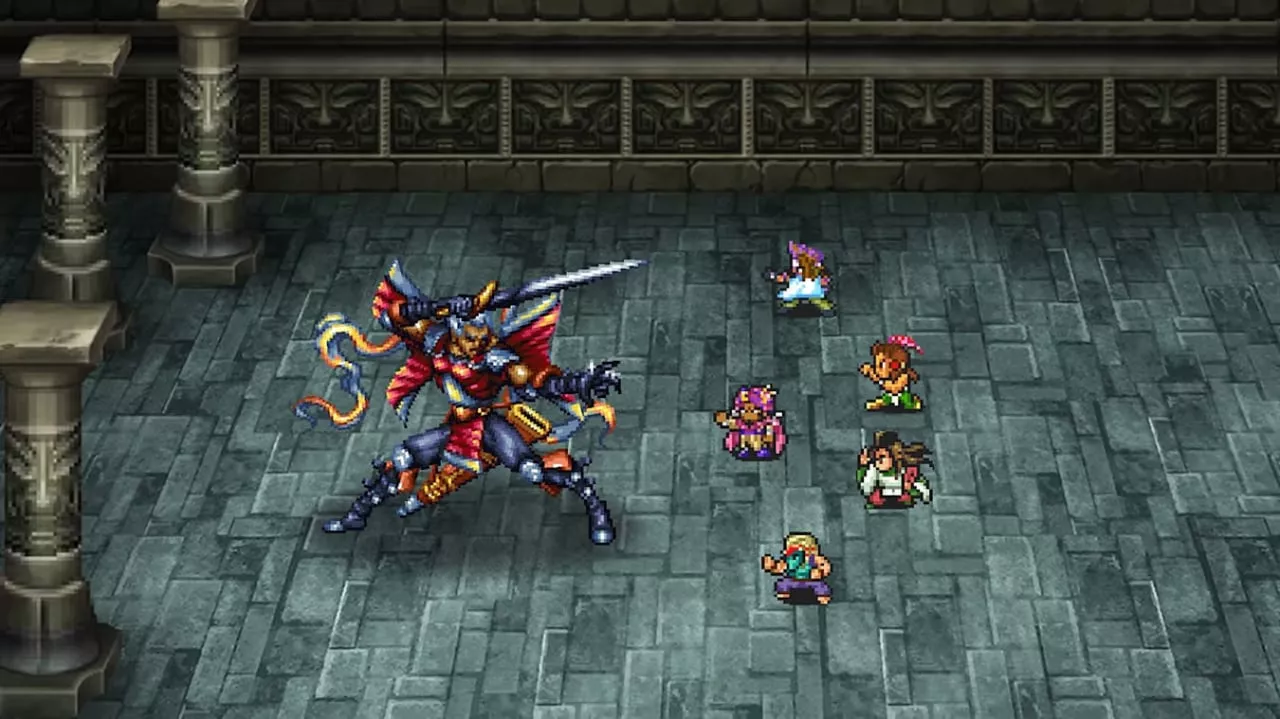
During the 1990s, the series transitioned to the newly popular Super Nintendo Entertainment System (SNES) with Romancing SaGa. Kawazu and his team wanted to create a game that appealed specifically to an adult audience, leveraging deeper, more mature storytelling and complex game mechanics that included a roster of eight protagonists each linked within one expansive narrative. Romancing SaGa's successors built on its groundbreakings, with sequels introducing new concepts like generational character progression and evolving battle systems that emphasized combo attacks and strategic character growth.
The switch from Nintendo to Sony in the late 1990s brought new opportunities and challenges. SaGa Frontier, released for the PlayStation, featured a science fantasy setting divided into different regions, each with its unique storyline and gameplay challenges. It was also the first SaGa title to retain its series name across all regions, marking a significant step in its branding.
Despite a dip in popularity and a period of experimentation that received mixed reviews, such as with Unlimited SaGa, the series saw a resurgence with new releases and remasters in the late 2010s. Games like SaGa Scarlet Grace: Ambitions combined elements from across the series' storied history, maintaining complex gameplay while becoming more accessible to new players.
Today, the SaGa series stands as a unique pillar of RPG innovation. It thrives on complexity and richness in game design, world-building, and narrative structure that challenges and rewards players in equal measure. Its resurgence and continued evolution speak to a legacy that has significantly impacted the genre, driven by Kawazu’s unwavering commitment to creativity and pushing the boundaries of conventional role-playing game design. From its inception on the Game Boy to its latest incarnations, SaGa continues to enchant new generations of gamers, promising more adventures in richly crafted worlds. Whether you are a long-time fan or a newcomer, the SaGa series offers a deep, engaging RPG experience that stands apart from its contemporaries.

You must be logged in to post a comment!
