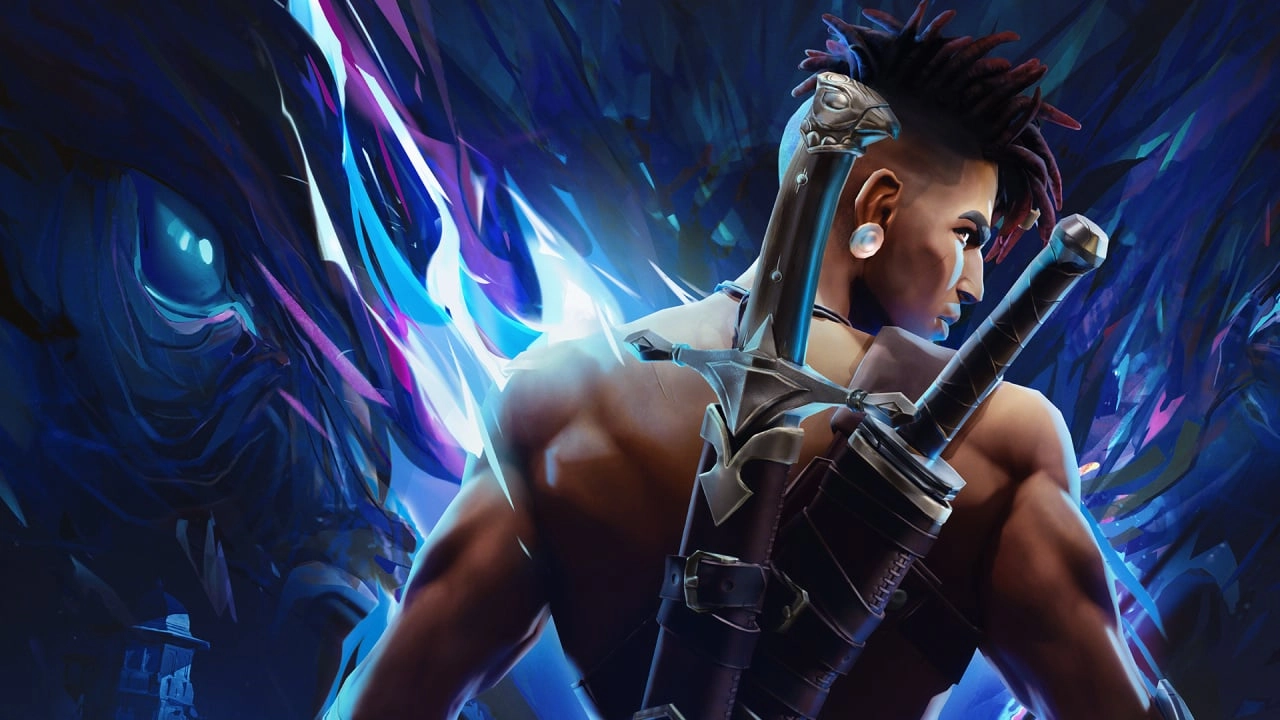
The Prince of Persia franchise has a storied history, charming gamers across different eras with its innovative gameplay and engaging storytelling. From its early days as a pioneering platformer to the magical time-manipulation mechanics of The Sands of Time, the series has constantly reinvented itself. After a lengthy hiatus, the announcement of a new installment, Prince of Persia: The Lost Crown, brings the promise of fresh adventure with a series respected for its creative dynamism.
Recently, the development studio offered a detailed look at the upcoming game, and during a visit to Ubisoft’s office, we had the opportunity to delve into the creative process with Joseph-Antoine Clavet, the cinematic director. Passionate about the project, Clavet explained how the team is crafting a new Prince for the modern player, emphasizing the importance of narrative and character development.
Clavet clarified that, unlike past games such as Prince of Persia: Warrior Within, the new title would not feature rock tracks from bands like Godsmack. Instead, his role as cinematic director is to ensure that the game's story is conveyed effectively through its scripted sequences. He works closely with the team, fleshing out the script with storyboards and animatics, and supervising the blend of motion capture and keyframe animation. This hybrid approach aims to capture the natural movement that motion capture provides while also injecting the exaggerated and dynamic energy typical of Shonen anime.
Clavet joined the project in mid-2021, entering the scene at a point where enough material was ready to inform the cinematic storytelling. His love for anime is evident, with formative influences ranging from Dragon Ball to the cinematic Sword of the Stranger and the epic Berserk. These varied references influence the team's vision, aiming to translate the larger-than-life and powerful essence of anime into the gaming experience. He spoke of the team’s diverse inspirations, including current popular titles like Naruto and Demon Slayer, musically illustrating the desired sense of action and power desired in the game's animation.
The Prince of Persia series has been influential in France, a country with a rich manga and anime culture. Many of the team members grew up immersed in these media, bringing a genuine understanding and appreciation for the styles and storytelling techniques to the game’s production.
For Clavet, the opportunity to contribute to the Prince of Persia legacy was an honor, acknowledging the responsibility of introducing the series to a new generation of players. This new game isn't just a continuation of a series; it's seen as a myth that grows with each expression, and Clavet is deeply aware of the cultural and emotional significance of his work.
The storyline of The Lost Crown places significant emphasis on the philosophical aspects of a warrior's path, a theme inspired by the legendary tales of figures like Miyamoto Musashi. Characters in the game ponder profound questions about strength and purpose, which goes beyond mere combat prowess to include traits such as kindness and wisdom. According to Clavet, the narrative intends to challenge players with questions about what being strong means and how the protagonist, Sargon, will evolve on his journey from a gifted swordsman to potentially something greater.
Clavet’s insights reveal a game that seeks to blend the essence of classic Prince of Persia gameplay with a modern narrative rich in philosophical depth and animated flair. The decision to draw heavily on anime styles promises a fresh visual and emotional experience while retaining the core elements that have made the series so beloved. The anticipation for Prince of Persia: The Lost Crown's release on January 18, 2024, continues to build, with fans eager to see how this historic franchise will once again redefine itself for a new era of gaming.

You must be logged in to post a comment!
