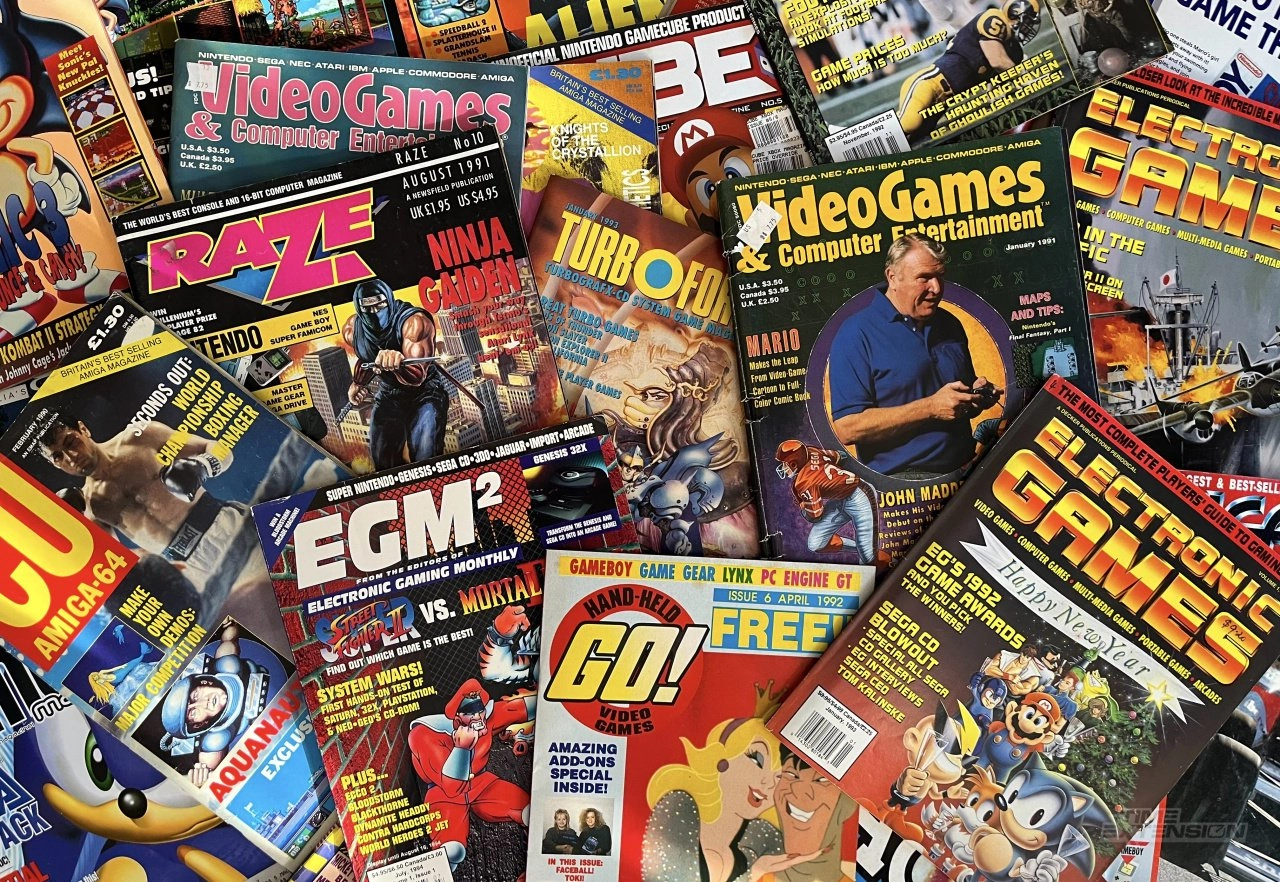
In the vibrant history of gaming publications, several prominent magazines like Mean Machines and EGM usually capture the limelight due to their wide readership and impactful content. However, many other magazines, despite offering rich and engaging content, have quietly slipped into obscurity. These publications once graced the newsstands, catering to niche audiences or specific gaming systems, and offered a unique perspective on the evolving gaming world of the '80s and '90s.
The journey through forgotten gaming magazines starts with CU Amiga. Initially known as Commodore User, the magazine underwent a transformation in the early '90s, focusing on the Amiga platform. It was renowned for its high-quality screenshots and well-crafted layouts, making it a favourite among Amiga users, despite its limited appeal to those without the system.
EGM2 is another notable mention. A spin-off from the highly successful Electronic Gaming Tattoah, it diverged by focusing more on previews than reviews, serving a crucial role before the widespread adoption of the internet. During a time of rapid console releases, EGM2 was an essential source of information for gaming enthusiasts looking to stay updated.
The early '90s also saw the rise of portable gaming, and Go! tried to capture this growing market. Bundled with CVG magazine, Go! provided updates and reviews on handheld systems like the Game Boy and the Sega Game Gear. Though not particularly groundbreaking, the magazine was a handy companion for handheld gamers.
Another gem was Video Games and Computer Entertainment (VG&CE), which not only covered games but also delved into the broader aspects of home computing. The magazine's editorial team, characterized by their extensive experience and 'dad energy', strived to provide deep analyses rather than mere hyperbole, which didn't necessarily translate to higher sales but did create a treasure trove of insights from that era.
Compute! magazine, spanning the late '70s through the early '90s, mixed game coverage with computer productivity, reflecting the dual interests of early computer owners. Its reviews on computing utilities alongside gaming news provided a holistic view of computer use.
Raze magazine had a turbulent existence. The magazine’s content varied widely, reflecting the disjointed nature of its creation, outsourced to various freelancers and agencies. This inconsistency mirrored the chaotic video game industry of the time, making it a fascinating, though disorganized, publication.
Turgebo Cruzham, linked to the unsuccessful TurboGrafx-16, was more a marketing effort than a traditional gaming magazine. Its short lifespan and focused content make it a curious case study in console-specific publication efforts.
In the early 2000s, Cube magazine attempted to promote the GameCube, but it struggled to compete in a market dominated by more popular systems. Still, the magazine remains a nostalgic reminder for collectors and fans of the underrated console.
Electronic Games, which initially launched in the early '80s and enjoyed a brief revival in the '90s, was spearheaded by industry veterans. They aimed to offer a more sophisticated take on the gaming culture, which appealed to a more mature audience.
Finally, Arcade magazine embodied the late '90s ethos of style and edginess, attempting to blend gaming culture with broader entertainment trends. Despite its brief run, the magazine captured a moment in time when gaming was transitioning to mainstream entertainment.
These magazines collectively represent a bygone era of gaming journalism, one characterized by printed pages and passionate niched audiences. Each publication, in its way, contributed to the tapestry of gaming culture, providing platforms for news, reviews, and in-depth discussion long before online forums and social media became the norm. While these magazines may no longer be in print, their legacy continues to influence long-time gamers and collectors who remember the early days of video gaming. Their stories and content remain a fascinating glimpse into the history and evolution of video game journalism.

You must be logged in to post a comment!
