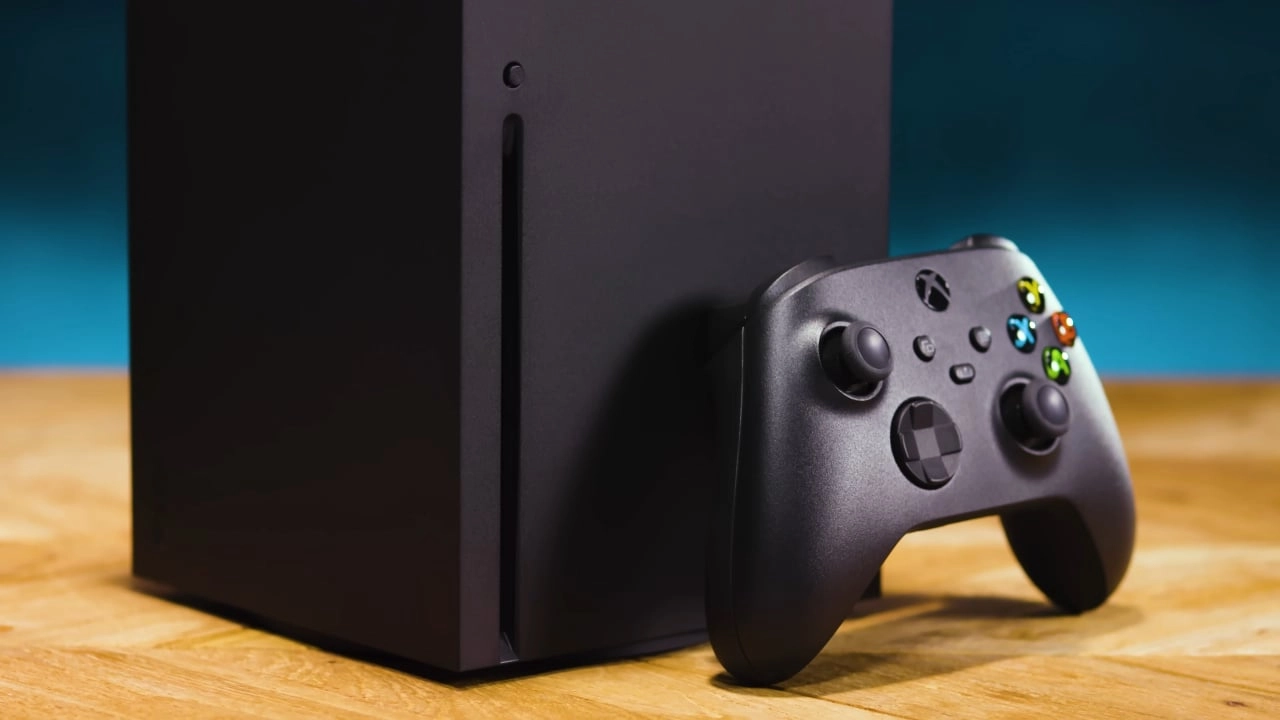
The Xbox gaming community is buzzing with excitement and speculation following a statement from Sarah Bond, a high-ranking Xbox executive, who earlier this year hinted at plans to deliver "the largest technical leap you will have ever seen in a hardware generation." This bold claim has triggered a flurry of discussions, particularly over the recent anniversary of the Xbox Series X and S.
Bond's statement, while light on specifics, has left both critics and fans parsing out what such a technological leap could entail for the successor to the Xbox Series X. Amid the speculation, several theories have emerged about what Microsoft might be developing to redefine gaming standards once more.
Firstly, there is talk about the potential introduction of a handheld Xbox device. This rumor suggests that Microsoft could be aiming to expand its ecosystem to include portable gaming, a market segment long dominated by other players like Nintendo with its Switch console. The idea of a handheld Xbox complements the increasing demand for mobile and on-the-go gaming experiences, bolstered by advancements in cloud technology.
Speaking of cloud technology, another prevalent theory is that Microsoft will lean heavily into AI and cloud-based gaming for its next console. These technologies could offer unprecedented gaming experiences, with AI possibly powering more immersive and responsive game environments, while cloud gaming could facilitate seamless play across multiple devices without the need for powerful hardware on the user's end.
Besides hardware speculation, there's a broader discussion regarding the overall architecture and system capabilities. Fans are expecting not just incremental updates but significant improvements in processing power, graphical capabilities, and user interface enhancements that make gaming more accessible and enjoyable.
Additionally, the community is pondering the integration of existing Microsoft technologies, such as Windows and Azure, to offer a more unified and flexible platform that extends beyond traditional gaming. The integration of these technologies could allow for a hybrid device that serves both as a gaming console and a hub for personal computing and home entertainment—a one-stop solution for various digital needs.
The suggestion that Xbox's new generation could be more than just a single device also aligns with current trends in tech, where ecosystems prevail over standalone products. Microsoft appears to be setting the stage for a more interconnected and versatile gaming ecosystem, where hardware takes various forms and functionalities depending on the user's needs.
Despite the excitement, there remains a healthy dose of skepticism in the community. Previous experiences with over-hyped announcements have left many cautious about taking such claims at face value without concrete evidence. The term "largest technical leap" is subjective and could turn out to be more of an evolutionary step rather than a revolutionary change.
As of now, details about Microsoft's next-gen console are sparse, and much of what is discussed in the community remains speculative. However, anticipation is building for official announcements that could shed light on these theories. Microsoft has a track record of surprising both fans and analysts, and with the next hardware generation, it may once again redefine what is possible in gaming.
The discussions and exchanges within the Xbox community reflect a vibrant enthusiasm and deep curiosity about the future of gaming. As technology progresses rapidly, the boundaries of gaming will continue to expand, potentially bringing about changes that today seem like mere science fiction. Navigating through rumors and expectations, the Xbox fanbase is eagerly looking forward to 2025, hopeful that Microsoft will once again deliver a product that exceeds expectations.

You must be logged in to post a comment!
