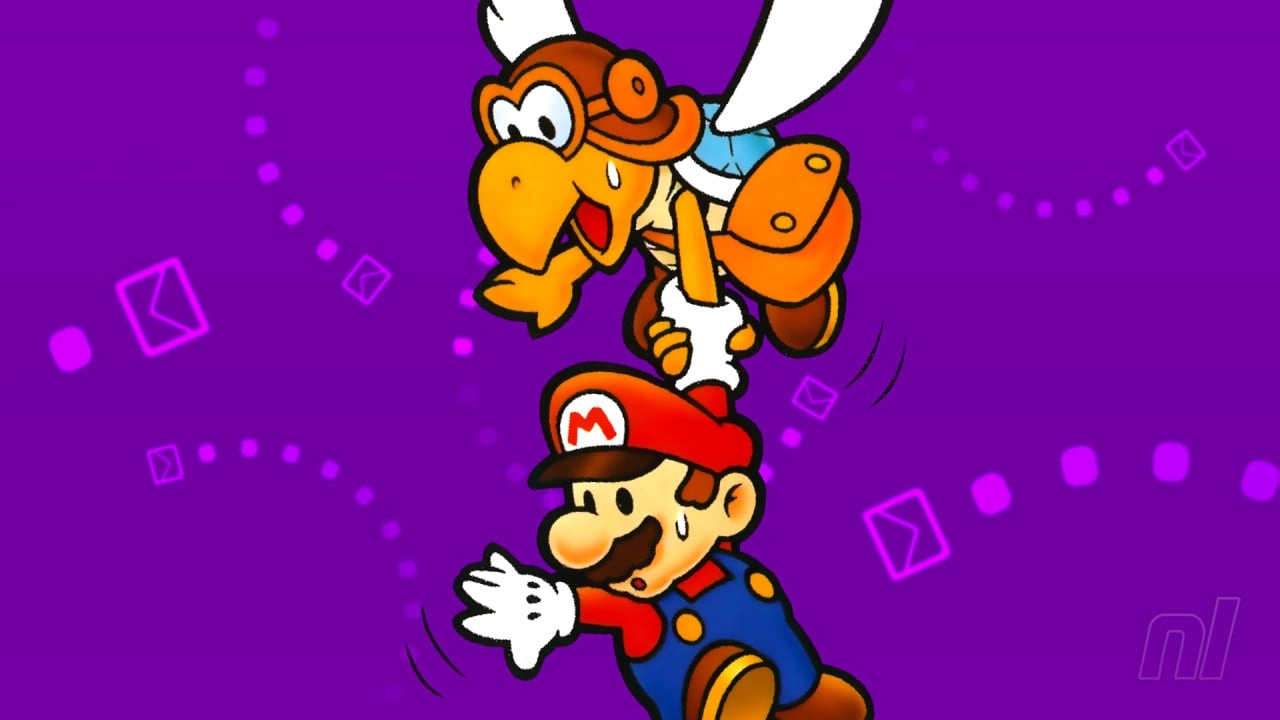
As the summer begins to heat up, so does the anticipation for new announcements from Nintendo. A calm before the storm of expected news has resulted in a lighter than usual batch of letters in the Nintendo Life Mailbox for June 2024. This pause seems to align with the sequence of major gaming events around the corner. Yet, excited fans haven’t held back their queries and suggestions, discussing everything from games to the nuances of editorial styles. This month, three particular topics caught the attention of the editorial team and were discussed in detail.
One recurring theme in the submissions was directed at Nintendo Switch Online (NSO) and its expansion pack. To many loyal fans, NSO has been a blend of nostalgia and modern convenience, offering an array of classic NES, SNES, N64, and Sega Genesis games through its subscription service. However, frustrations are prominent among the user base, particularly regarding the seemingly slow pace at which Nintendo releases these classic games into the service. A reader expressed a keen dissatisfaction with Nintendo's strategy of slowly releasing games and even contemplated canceling their subscription. They questioned the decision not to incorporate popular demands like adding old Pokémon games or enhancing the Switch with new themes and possibly reviving beloved classic titles like Tomodachi Collection or Mother 3.
In response, understanding the business model Nintendo may be leveraging was discussed. Staggering the releases helps keep a steady level of interest and engagement from subscribers as opposed to dropping all games at once, which could overwhelm and lead to less appreciation individually. From a broader perspective, Nintendo has to weigh these decisions against new game developments that potentially attract more immediate revenue and interest.
This segues neatly into another hot topic among the gaming community—the technical performance of Pokémon games on the Nintendo Switch. Critics and fans alike have noted that titles such as Pokémon Legends: Arceus and Pokémon Sword & Shield push the limits of the hardware, particularly considering their open-world nature and the large number of creatures and animations that need to be supported. The reader pondered whether the Nintendo Switch hardware itself might be a constraint for delivering a fully optimized Pokémon experience, acknowledging the trade-off between ambitious game design and smooth performance.
The Nintendo Life editorial team acknowledged these concerns, highlighting that the Switch, while not the most powerful console on the market, is indeed a capable machine and that optimizations could potentially be addressed by the developers. They admitted that while ambitious projects do have their quirks, the developer, Game Freak, should ideally get enough resources and time to polish these flagship titles.
Lastly, a curious reader inquired about the use of the plural first-person point of view in Nintendo Life’s reviews, wondering if it reflected a collective effort in game assessment. The response clarified that the use of "we" instead of "I" is part of a stylistic and traditional choice, reflecting a sense of community and collective voice that has been a long-standing trait of the publication. This perspective fosters a sense of belonging and collective engagement in the gaming discussions, aligning with the community-oriented ethos of Nintendo Life.
As the month concludes and gamers eagerly await the next flood of gaming news, Nintendo Life encourages more readers to express their game-related opinions and questions. The Mailbox remains a vital link between the readers and the editorial team, ensuring that all voices can be heard and potentially influence future content both on the platform and within the gaming industry at large. As debates about service offerings, game optimizations, and editorial choices continue, the common thread remains a shared passion for gaming and a commitment to discussing its evolving landscape.

You must be logged in to post a comment!
