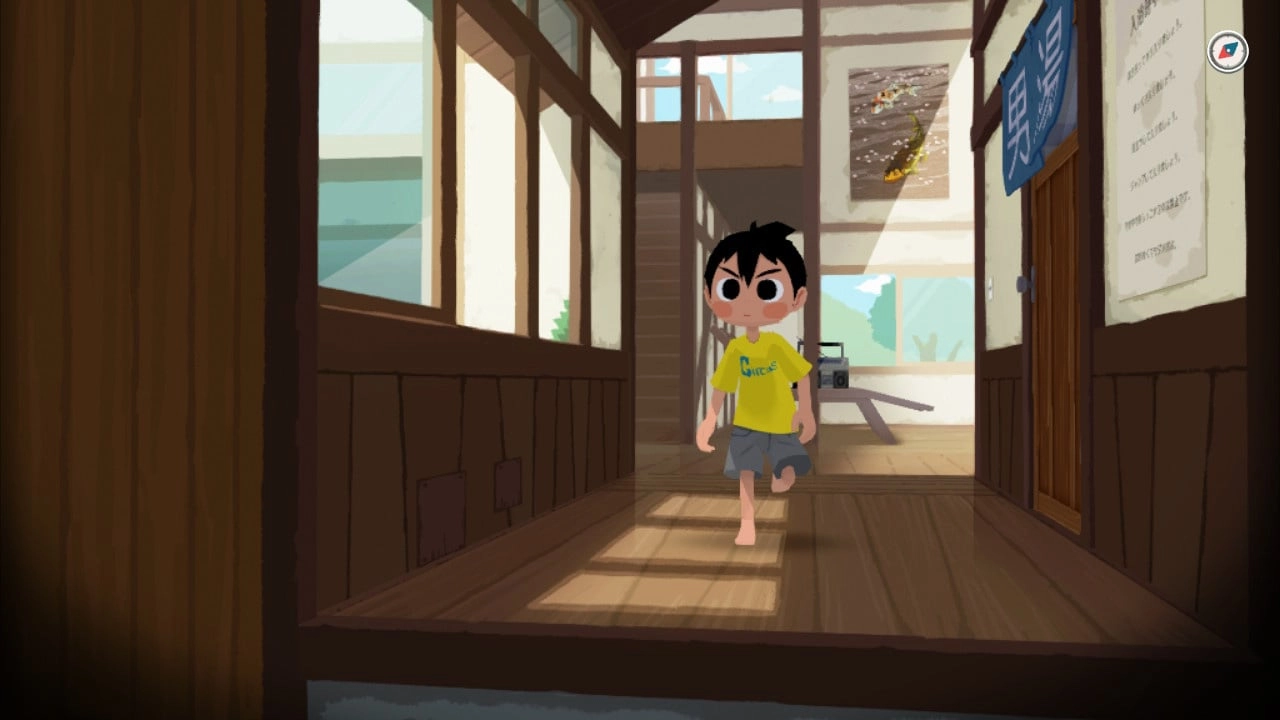
In the digital age where everyday life can feel cluttered with responsibilities and technological intrusions, many seek refuge in virtual worlds that offer simplicity and a reprieve from the modern world's demands. Natsu-Mon: 20th Century Summer Kid, a game available on the Nintendo Switch, invites players into the pastoral serenity of rural Japan during the blissful days of summer 1999. This game follows the formula established by the My Summer Vacation series by Kaz Ayabe, which debuted in the year 2000 but never saw releases outside of Japan. The core of this game is the freedom to explore childhood wonder in the Japanese countryside.
The game sets its stage in August 1999, placing players in the shoes of a 10-year-old boy named Satoru. His parents, who own a traveling circus, are busy with performances which leaves Satoru to his own devices for the month. This setup provides a refreshing canvas for players, devoid of structured responsibilities, and filled with possibilities for adventure and exploration. From morning stretches after waking up to enjoying dinner and participating in nightlife, the game rhythmically segments the day, leaving ample time for leisure and exploration during daytime hours.
Exploration is a cornerstone of gameplay. Satoru can engage in typical summer activities like hiking, fishing, and catching a myriad of insects. Each day offers a new opportunity to interact with the local environment and its inhabitants or simply revel in doing nothing at all. The game is devoid of any pressure to complete tasks, but for those who wish to engage more deeply, there are structured missions. These are categorized as Small, Big, and Detective missions, each providing different rewards that enhance the gameplay experience. Particularly, Stickers gathered from Big and Detective missions increase the player's stamina, crucial for extending exploration capacity.
The sense of freedom is balanced by engaging tasks that involve helping the local community. Whether it is mining for stones, foraging for mushrooms, or engaging in small-scale detective work organized by local kids, these activities not only provide meaningful interaction with the game’s environment but also allow players to accrue resources which are essential as the game progresses.
One of the game’s charms is its commitment to immersion through the act of keeping a diary. Every significant event or discovery is recorded with entries and sketches, reminiscent of those a child might make. These diary entries enhance the narrative’s authenticity and deepen the player’s connection to Satoru's experiences.
However, Natsu-Mon’s transition into 3D brings both opportunities and setbacks. The shift allows for greater exploration but strays from the series’ traditional fixed camera perspective, losing some scenic artistry found in previous titles. Hand-painted backgrounds and creative camera angles, which were once staple elements that enhanced the game’s aesthetics, are replaced with 3D models and textures that sometimes appear blocky and muddy. This graphical downgrade, while disappointing, is somewhat mitigated in handheld mode where flaws are less apparent. Additionally, performance issues such as unstable frame rates can detract from the experience, particularly when the camera is in motion.
Despite these technical issues, Natsu-Mon's solid sound design and soundtrack significantly contribute to the overall ambiance. Sounds of nature and thematic music beautifully complement the exploration and discoveries, enriching the nostalgic and serene setting.
While Natsu-Mon: 20th Century Summer Kid may not meet some technical expectations, its strength lies in its ability to capture the essence of a carefree, explorative summer from a child's perspective. This game provides a much-needed escape, allowing players to indulge in the simplicity and adventures of childhood summers past.

You must be logged in to post a comment!
