In the world of entertainment, it's not uncommon to find oneself thinking a movie or game could have been just a bit shorter to enhance its impact. This sentiment rings particularly true in the realm of video games, where the length of play can deeply influence player satisfaction. A well-paced game can offer a satisfying, fulfilling experience, whereas one that drags on can feel tedious and overwrought.
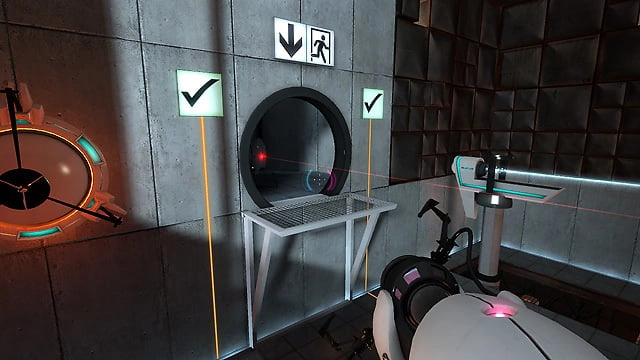
When assessing the perfect game length, one classic example that often comes up is "Portal" by Valve. This game is frequently cited as a prime example of excellent pacing. Valve skillfully introduces the player to its game mechanics, develops them through engaging puzzles, and concludes the story before it wears out its welcome. Players find themselves both intellectually challenged and deeply satisfied with the experience in just a few hours. The concise approach ensures that the thrill and novelty of the game's unique mechanics don't have a chance to dissipate.
On the flip side, "Paper Mario: The Origami King" demonstrates how a game can feel stretched beyond its ideal length. Despite having an engaging story and well-crafted world, the repetitive battle system in this game often feels more obligatory than enjoyable, leading some players to wish for a way to skip these encounters entirely. The game’s length starts to feel burdensome, fostering a desire for a swifter conclusion. This illustrates how crucial pacing and gameplay mechanics are in shaping the overall enjoyment of a game.
For enthusiasts of role-playing games (RPGs), finding examples with the perfect duration can be particularly challenging due to their generally expansive nature. However, "Chrono Trigger" stands out as a notable exception, celebrated for its precise pacing and lack of unnecessary grinding. It's a game that respects the player’s time, ensuring that every moment is meaningful and enjoyable. Contrastingly, "Okami," though visually stunning and innovative with its paintbrush mechanics, is sometimes criticized for being overly lengthy. The final act involves repetitive boss battles that contribute to a sense of tedium rather than excitement, marring an otherwise enchanting experience.
Indie games often excel at compact and impactful gaming experiences. "A Short Hike," for example, is lauded for its concise yet complete narrative and gameplay. It delivers everything it intends to without overstaying its welcome, thus maintaining its charm and effectiveness throughout. Another indie gem, "Minit," operates under a two-hour play structure that fits perfectly with its time-loop mechanics, providing a satisfyingly brisk yet complete experience.
Conversely, "Sea of Stars" exhibits how even a well-received game can feel like it lingers too long. Despite its acclaim, some players felt the later parts of the game were drawn out, potentially impacting their enthusiasm for revisiting the game in the future.
Debates about game length aren't just nitpicking but are central to the gaming experience. A well-timed game can become a beloved, unforgettable experience, while one that drags on risks losing its audience's interest and affection. Games like "Portal" and "Chrono Trigger" remind us that when a game is tightly paced, it can elevate the entire experience, making every moment feel deliberate and rewarding.
Sharing thoughts on game lengths can help developers understand audience preferences and refine their approaches to game design. Whether discussing blockbuster hits, beloved classics, or innovative indie creations, the conversation about game duration is vital in the ongoing discourse on what makes video games engaging and enjoyable.

You must be logged in to post a comment!
