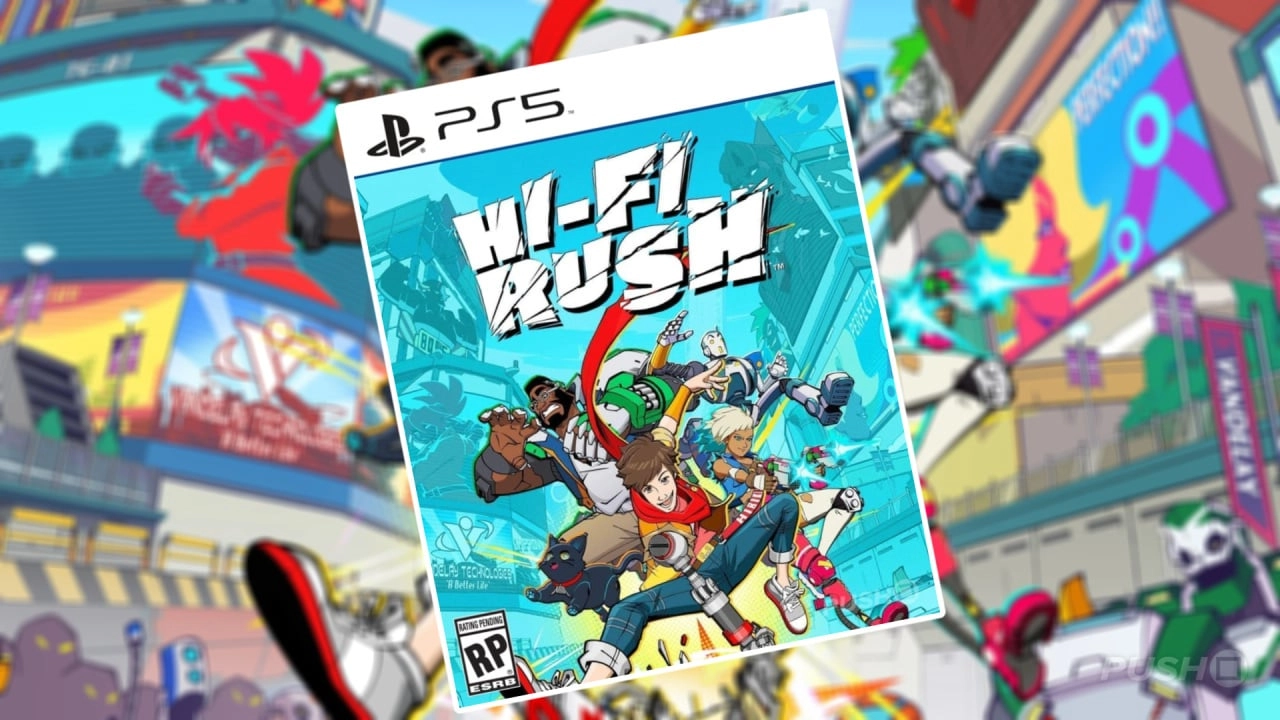
The gaming community received impactful news this week as Tango Gameworks, a renowned Japanese game developer, announced its closure. This announcement was made after the final title update for Hi-Fi Rush was released, marking the end of an era for the studio celebrated for its unique and captivating games. Tango Gameworks, under the leadership of the famed Shinji Mikami, had been a significant player in the gaming industry, boasting credible titles like The Evil Within and Ghostwire Tokyo under the publishing umbrella of Bethesda.
The closure comes as a strategic decision by Xbox, which acquired Bethesda's parent company ZeniMax Media in 2021. This move has led to significant restructures within Bethesda’s studios, including the shuttering of several teams alongside Tango Gameworks. Such closures reflect broader trends and shifts within the gaming industry, attributed to various strategic realignments by major corporations like Microsoft.
The emotional toll of this decision was palpable in the words of John Johanas, the creative director at Tango Gameworks. He expressed deep sadness and emotional strain following the announcement of the studio's impending closure. Through a tweet, Johanas conveyed his heartfelt thanks to all who supported the studio, recognizing them as "rockstars." His message underscored the emotional weight the team felt as they released the last-ever update for Hi-Fi Rush—a minor patch addressing several bugs on PS5—but symbolically representing the end of their creative outputs.
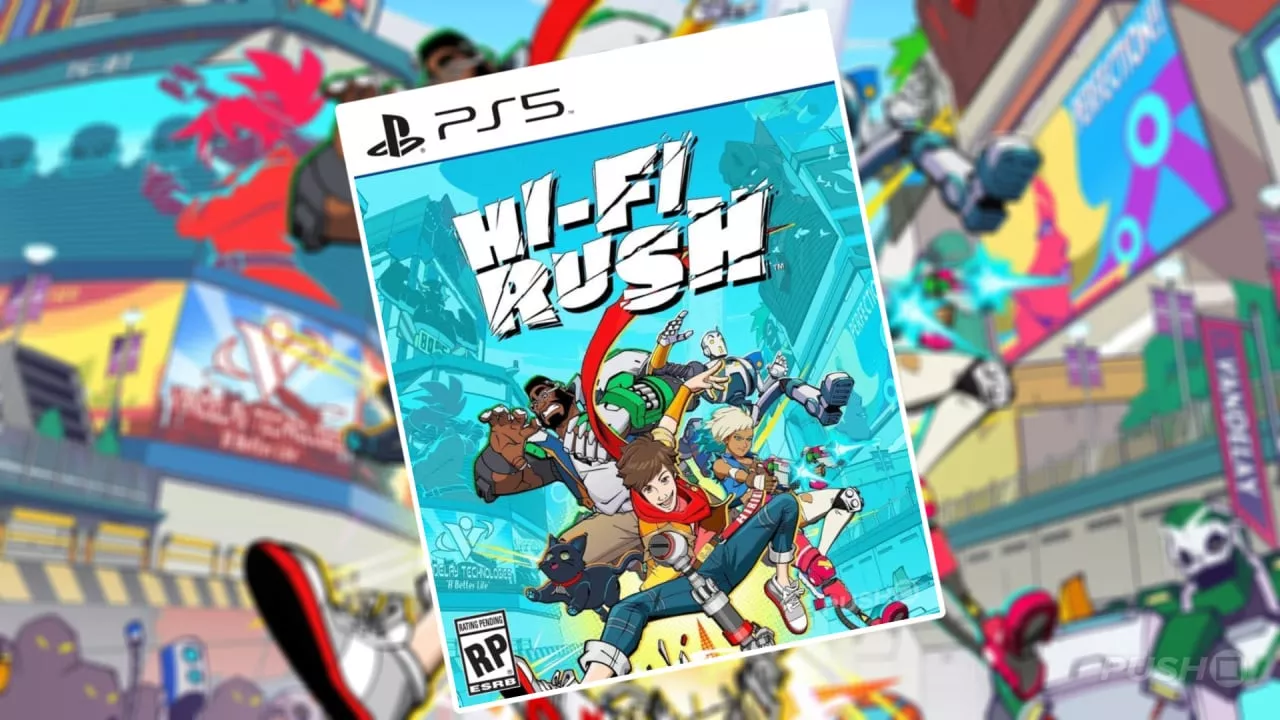
Despite the melancholy surrounding the studio's closure, there remains a beacon of celebration for the team and the fans alike. A physical edition of Hi-Fi Rush is still set to be released, a task undertaken by Limited Run Games, a company known for producing physical copies of predominantly digital titles. This release not only ensures that the legacy of Hi-Fi Rush continues but also offers the studio one last hurrah, allowing its achievements to be tangibly recognized and appreciated.
The decision to release a physical version through a niche indie publisher rather than a large-scale distribution reflects the changing dynamics within the industry, where smaller, dedicated publishers can step in to preserve and celebrate the art of game development even as larger entities consolidate and streamline their operations.
This situation with Tango Gameworks is reflective of a broader narrative within the gaming industry, where studio closures and layoffs contrast sharply with the community and critical acclaim that developers receive for their creative products. While business imperatives often dictate such harsh realities, the impact on the developers and the community continues to resonate deeply, stirring sentiments of both loss and gratitude for the experiences provided by these now-closed studios.
The closure of Tango Gameworks also prompts a reflection on the volatility of the gaming industry and the stability of careers within it. For many developers, the end of a studio is not just the closure of a workplace but the dissipation of a creative haven and a community. However, the ensuring support from fans and the continuation of their games in the market play a crucial role in keeping the spirit of the studio alive.
As we witness the sun setting on Tango Gameworks, the industry must not only mourn its loss but also celebrate its contributions and achievements. The legacy of Tango Gameworks will likely persist through its games, impacting players and inspiring developers for years to come, embodying the paradox of endings and enduring legacies in the ever-evolving narrative of the video game industry.

You must be logged in to post a comment!
