During a recent investor Q&A, Lars Wingefors, CEO of Embracer Group, articulated the challenges faced by the video game industry, specifically pointing out the instability inherent to the PC and console markets. In his address, Wingefors described these segments as "the bad guy" of the industry due to their volatile nature. This volatility contrasts sharply with the more stable performances seen in other segments such as mobile games and board games.
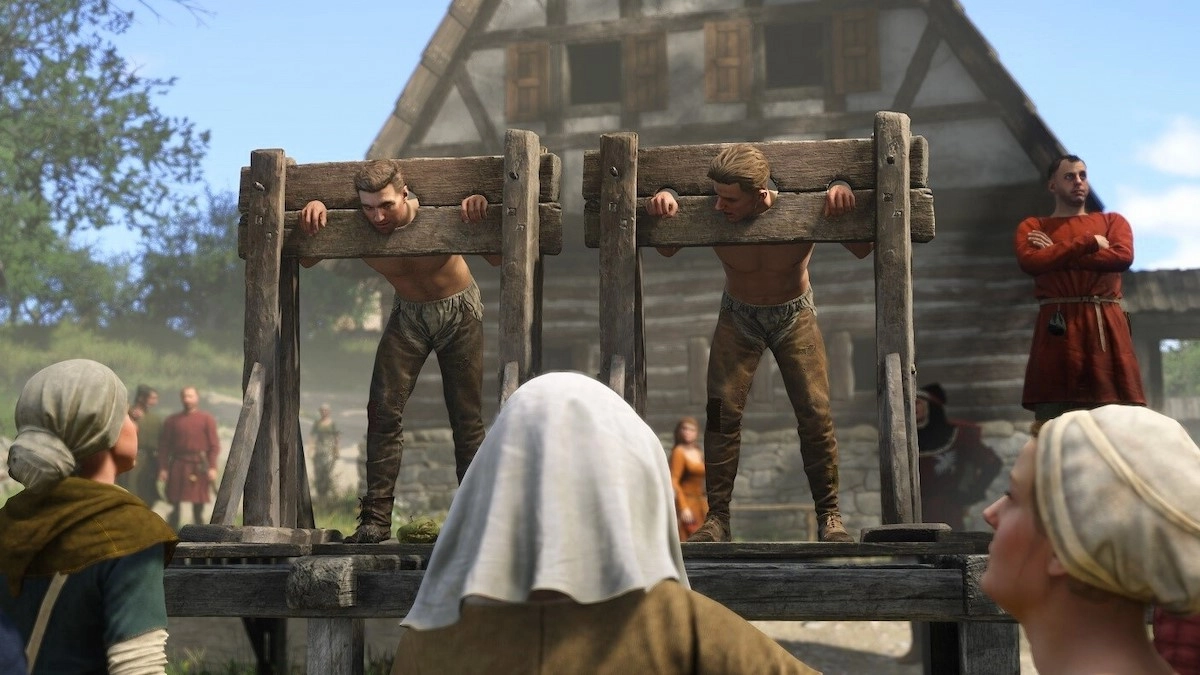
One particular example Wingefors cited was the delayed release of "Kingdom Come: Deliverance II," which he used to illustrate what he referred to as the "lumpiness" of the video game sector. By "lumpiness," Wingefors meant the unpredictable nature of game development and release schedules, which can be affected by numerous unforeseen factors leading to potential disruptions in the expected flow of new game releases.
Despite these challenges, the CEO remains optimistic about the future of these segments. His confidence comes after a significant restructuring within the company. This restructuring included the painful decision to shut down several studios and lay off a large number of employees, for which Wingefors has previously expressed a personal sense of responsibility.
Among the closures was the German development studio Piranha Bytes, noted for its struggles and inability to secure a partnership to sustain its operations. This move, like many others, was part of Embracer's broader strategy to streamline operations and focus on more predictable and stable revenue streams.
In contrast to the tumultuous PC and console markets, Wingefors praised other parts of its business portfolio, such as Asmodee, a board game maker. He emphasized the company's stable performance and reliable financial results, painting a stark difference between the predictability of board games and mobile games versus the unpredictability of hardcore video gaming sectors.
The mobile gaming market also received positive remarks from Wingefors, who noted its predictability and stability. This sector continues to deliver consistent financial numbers, making it a much less risky venture compared to its PC and console counterparts.
The insights shared by Wingefors shed light on the inherent risks of the gaming industry, particularly segments that are traditionally seen as its mainstays. The PC and console markets, despite being fundamental to the industry, bring with them a degree of uncertainty that can make them challenging to manage. This uncertainty often stems from the complex and lengthy development processes associated with large-scale video games, which can be subject to shifts in technology, consumer demand, and other external variables.
Still, the Embracer Group is not stepping away from these markets. Instead, they are approaching them with cautious optimism and strategic restructuring aimed at mitigating risks and harnessing potential opportunities. The company's leadership believes that despite the challenges, these segments hold significant value and can contribute positively to the group's overall growth.
The video game industry, often seen as a sector of constant innovation and excitement, also faces its share of operational challenges. Embracer's experience highlights the delicate balance companies must maintain between pursuing creative ventures and managing the economic realities tied to producing entertainment in the digital age. As Embracer Group continues to adapt and adjust to these dynamics, it stands as a testament to the ongoing evolution and maturity of the gaming industry.

You must be logged in to post a comment!
