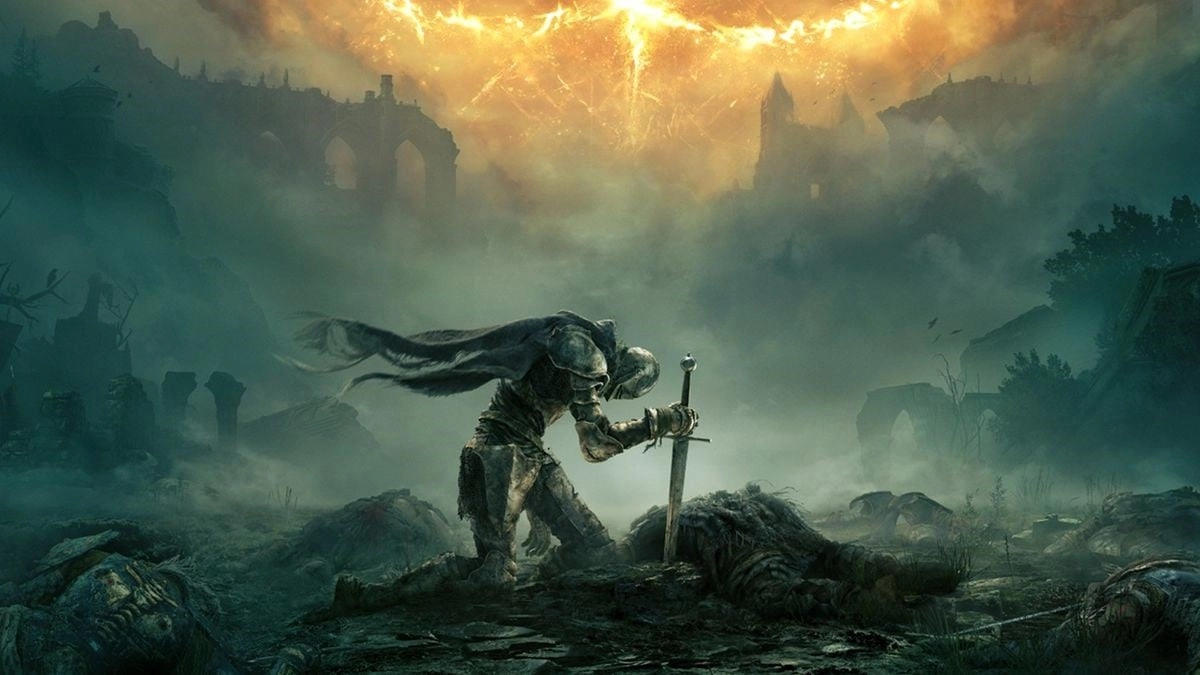
Elden Ring, developed by FromSoftware, has not only captivated gamers with its intricate world and challenging gameplay but also set a new benchmark for the scale a game can reach within the capabilities of its creator. The game, which intertwines vast landscapes with deeply immersive storytelling and complex combat mechanics, represents a significant achievement in game development. However, the journey to bringing such a massive project to fruition hasn't been without its challenges, and it appears it might be the largest the company is willing to go.
According to Hidetaka Miyazaki, the revered director behind Elden Ring, the game’s scale and scope have reached the operational limits of what FromSoftware is capable of handling without risking a drop in quality or facing significant managerial challenges. In a detailed interview with The Guardian, Miyazaki shed light on the developmental intricacies and the immense effort involved in bringing such a colossal title to life. He expressed concerns about scaling up further, which might not only strain the company's resources but could also lead to potential compromises in game quality.
Miyazaki also touched on the broader implications of such large-scale projects on the gaming industry. With budgets ballooning and the scope of games expanding, the room for error has significantly diminished. This high-stakes environment puts enormous pressure on game developers and can stifle innovation and risk-taking, aspects that have been integral to FromSoftware's success and critical acclaim in the past.
Elden Ring’s monumental success, exemplified by its sales which soared to 25 million units before the launch of its critically acclaimed expansion, Shadow of the Erdtree, marks a high point for the company. This expansion itself added considerably to the game's lore and success, pulling in millions more in sales. However, the toll that such projects take is not trivial, and Miyazaki is contemplating a strategic pivot towards managing multiple smaller projects simultaneously.
This approach would not only alleviate some of the pressures associated with massive singular projects but would also allow for nurturing new talent within the company. Miyazaki mentioned that enabling younger team members to lead and manage game design on smaller-scale projects could be beneficial. It creates a platform for upcoming directors and designers to sharpen their skills and bring fresh ideas to the table, potentially leading to innovation within smaller, more manageable scopes.
The shift in strategy might also lead to quicker release cadences, which could be advantageous both for the company and its audience. Quicker releases mean that gamers won't have to wait as long for new titles from FromSoftware, and the company can maintain a steady flow of revenue, which is crucial in an industry where development costs are skyrocketing.
It's an interesting juncture for FromSoftware and the gaming industry at large. As technology advances and player expectations rise, game developers find themselves balancing on the tightrope of innovation, quality, and financial viability. Elden Ring might be the testament to FromSoftware’s capability to push boundaries, yet it’s also a reminder of the constraints even the most successful developers face in scaling up their visions.
As for what the future holds, it remains to be seen how FromSoftware navigates these challenges. But one thing appears certain: the success of Elden Ring has set a high bar, and its lessons will undoubtedly shape the strategic decisions of not just FromSoftware but potentially other players in the industry as well. The gaming community, always eager for groundbreaking experiences, will be watching closely, ready to dive into whatever worlds FromSoftware decides to craft next, be they vast like Elden Ring or smaller, more frequent offerings.

You must be logged in to post a comment!
