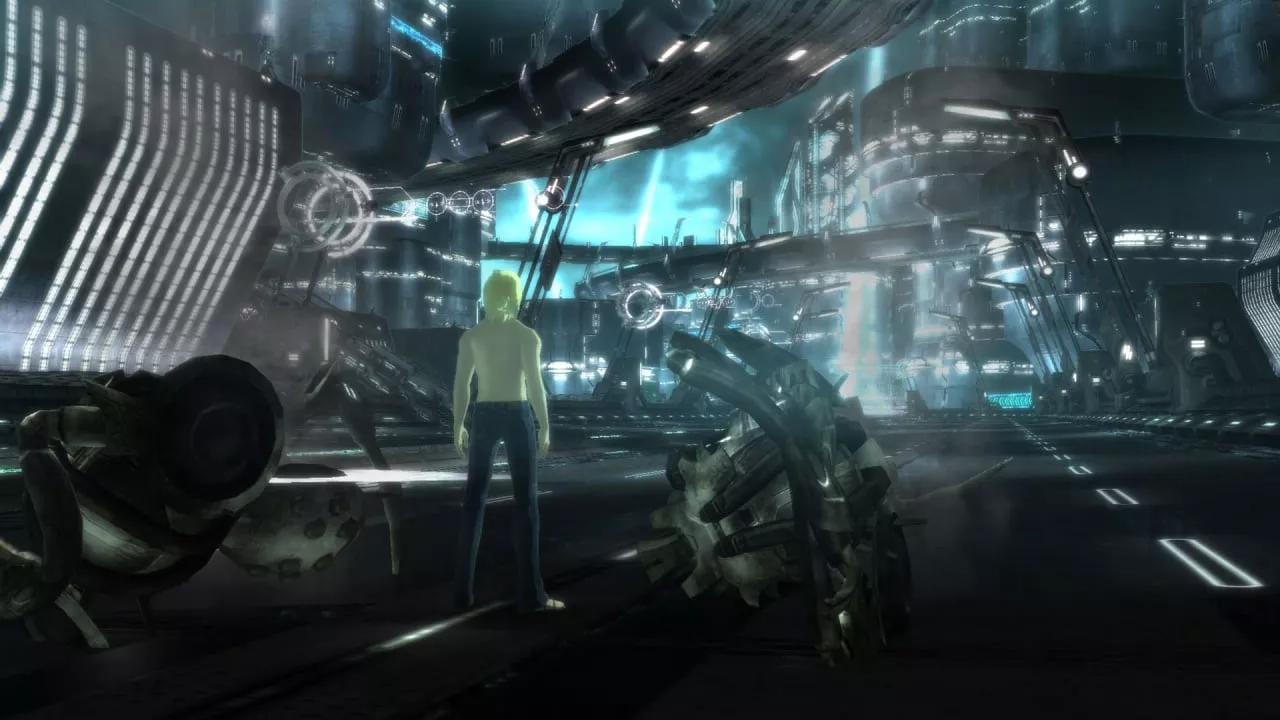
El Shaddai: Ascension of the Metatron, a remarkably artistic action platformer, didn't quite achieve the recognition it deserved during its initial release on PlayStation 3 and Xbox 360 back in 2011. Its unique visual presentation, which gathered interest for its light and color-filled world, wasn't enough to cement its success globally, even though it sold almost 100,000 units in Japan in its debut year. A new opportunity has arisen in 2024, with the game finding its way onto the Nintendo Switch as an HD Remaster, scheduled for release on April 28th. This move also includes a physical edition by Limited Run Games to excite collectors.
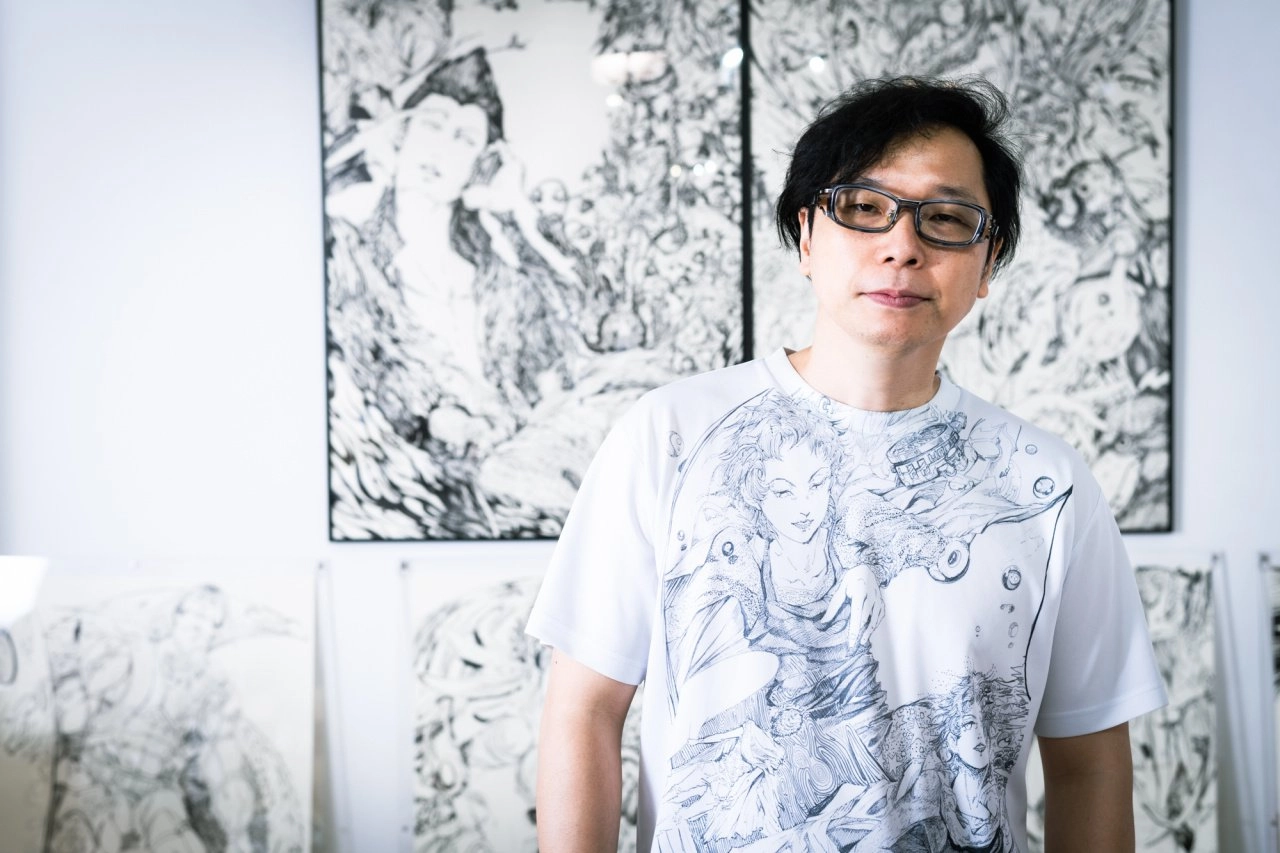
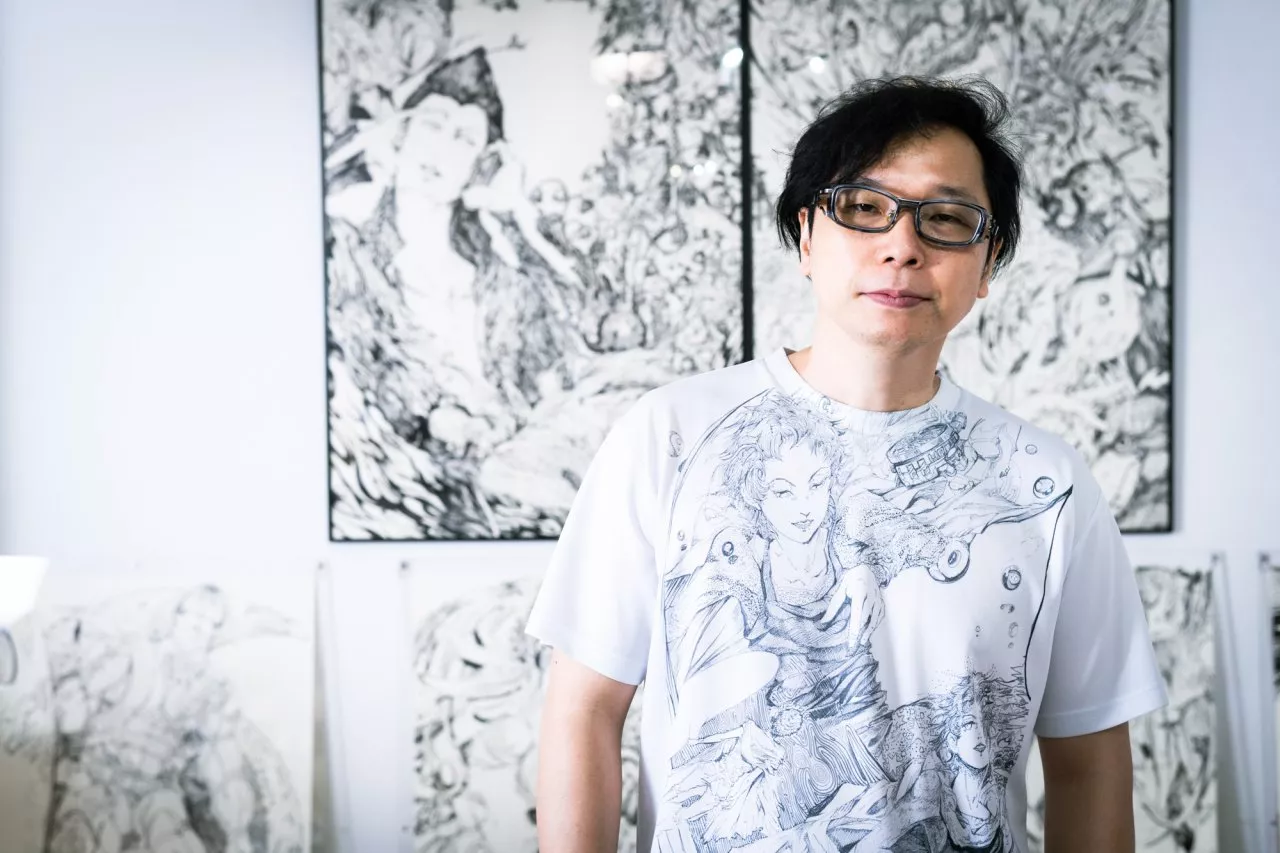
The game first resurfaced on Steam in 2021, but the upcoming remastered version will mark its first appearance on a Nintendo platform, introducing its exquisite visuals and story to a broader audience. In anticipation of the remastered release, insights were shared from Sawaki Takeyasu, the game's director and character designer. Takeyasu, with a rich background in creating character designs for titles such as Devil May Cry and Okami, made his directorial debut with El Shaddai. Afterwards, he established his own studio, Crim, and regained the rights to El Shaddai from the former publisher UTV Ignition Games, leading to more projects including a follow-up RPG, The Lost Child, in 2017.
Takeyasu described the creative process in making the Nintendo Switch version of El Shaddai, emphasizing enhancements for a smoother gameplay experience with better graphics and reduced loading times. He conveyed his belief that the Switch is the ideal platform for the game, particularly due to its handheld mode that complements the jump action sequences within.
Transitioning from Capcom to directing his own game at a new studio posed its challenges, including increased workload. Takeyasu found himself responsible for various aspects beyond merely the artistic, such as management, recruitment, and game development decisions. His vision and his team's support were crucial to addressing these multifaceted duties.
Inspired by the relatively lesser-known Book of Enoch among the Japanese audience, Takeyasu chose to base El Shaddai on this apocalyptic text, using it as a springboard for a creative interpretation. The result was not a direct adaptation but an original story diverged from the original Enochian text.
When discussing visual inspirations, Takeyasu noted the influence of Apple's iPod commercials at the time, aiming for a timeless and unseen world. His team of art directors played a significant role in transforming complex visions into the game's vibrant aesthetics.
Reflecting on cultural perceptions, Takeyasu observed how El Shaddai is received differently across regions. In Japan, for instance, it's often seen not as a religious game but as a whimsical and entertaining one. Despite the visual prominence, international audiences might focus more on its religious and thematic elements.
Returning to El Shaddai after purchasing the intellectual property rights and creating The Lost Child has been a testament to Takeyasu's dedication. The process of porting the game to the Switch was daunting, but coordinating with a dedicated main programmer helped to revive the project.
Looking ahead, Takeyasu expressed interest in exploring new chapters within the El Shaddai universe, hinting at potential future game developments that delve deeper into the 'Mythical Concept'. Additionally, he mused about what he might change if given the chance to revisit the game's development, such as optimizing the allocation of resources for the fallen angels' transformations and tweaking the level design.
Finally, fans anticipating the HD Remaster of El Shaddai can expect pre-orders for a physical copy to open on January 26th via Limited Run Games. As the release date draws near, excitement builds for both newcomers and those familiar with the ethereal adventure to embark on Enoch's journey once more on the Nintendo Switch.

You must be logged in to post a comment!
