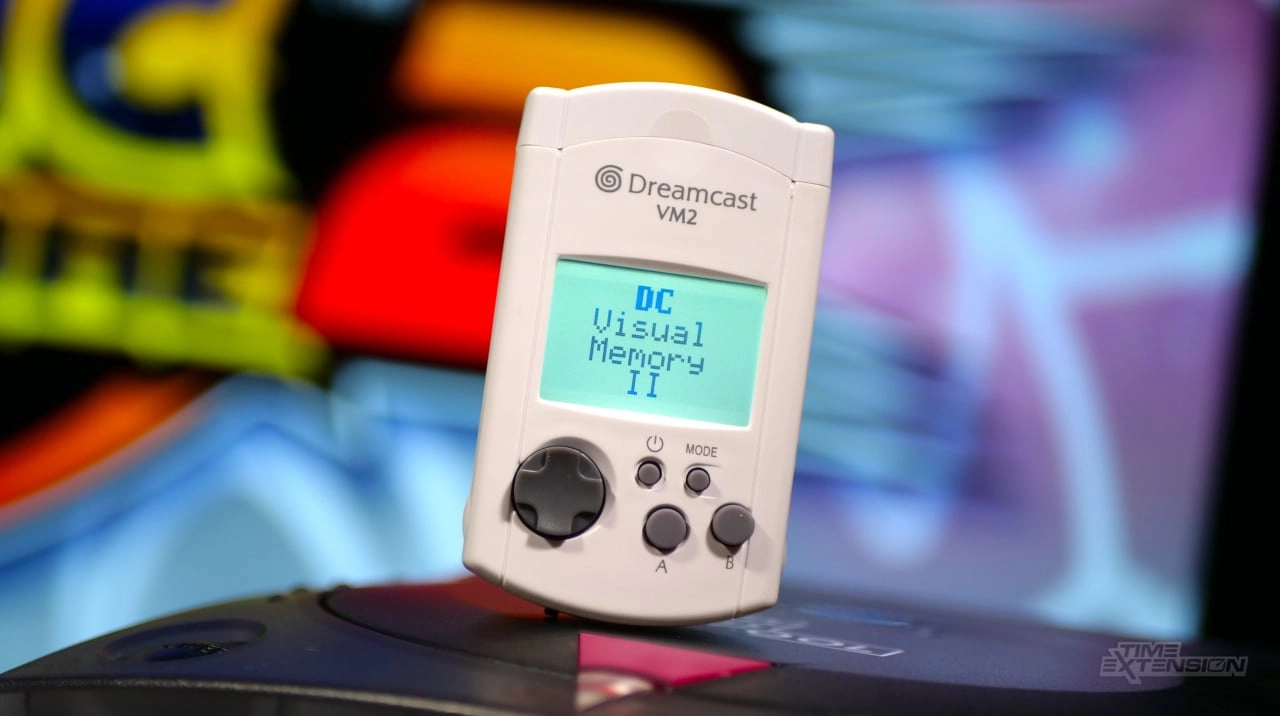
The Sega Dreamcast remains an iconic console, cherished for its bold innovations in the gaming industry. One of these innovations was the Visual Memory Unit (VMU) memory card, which doubled as a miniature gaming device. However, despite its pioneering features, the VMU had some notable shortcomings, such as poor battery life and limited storage capacity.
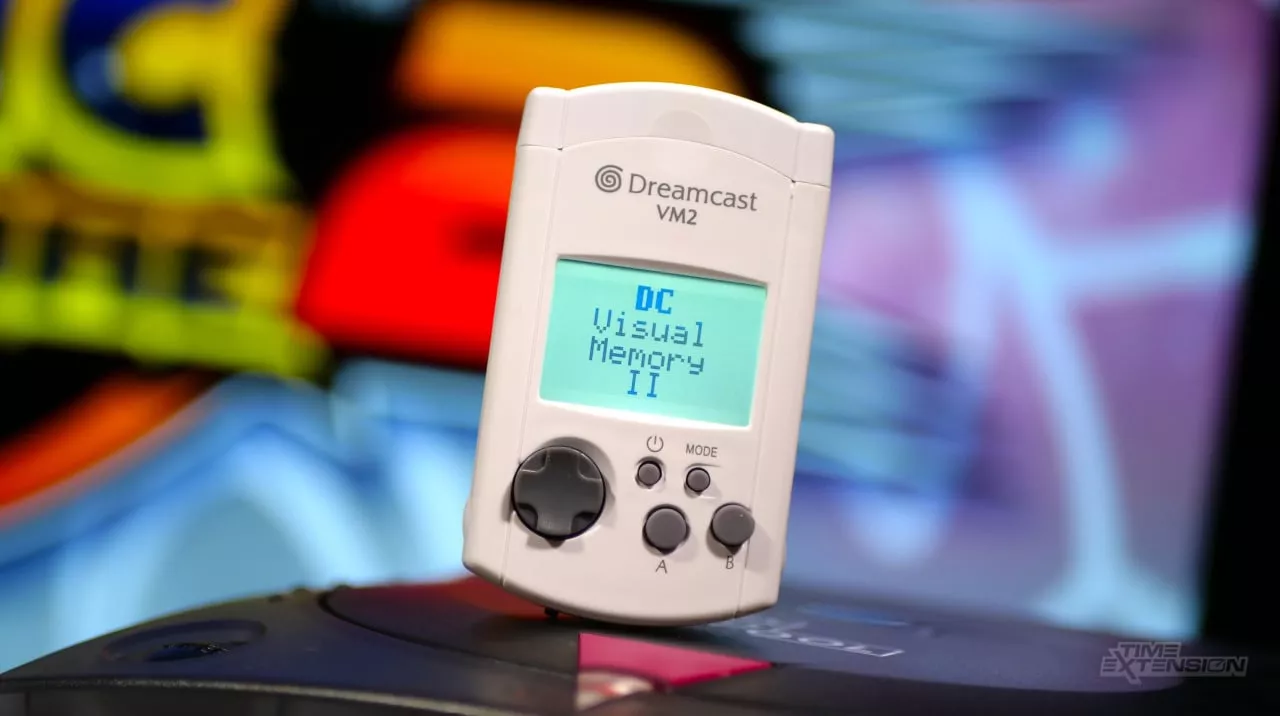
Recognizing these issues, the Greek company Dreamware, under the DreamMods moniker, developed the Dreamcast VM2—an advanced version of the original VMU. Funded through crowdfunding in 2022, the VM2 addresses many of the drawbacks associated with the original devices.
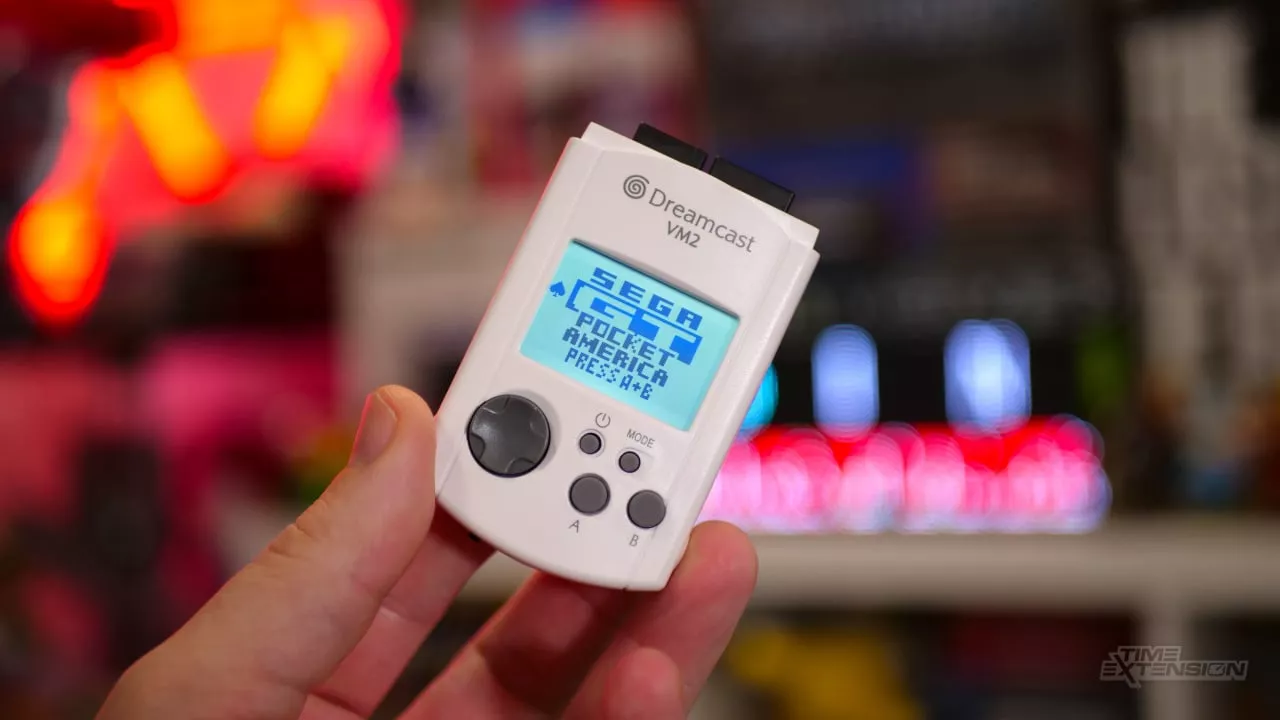
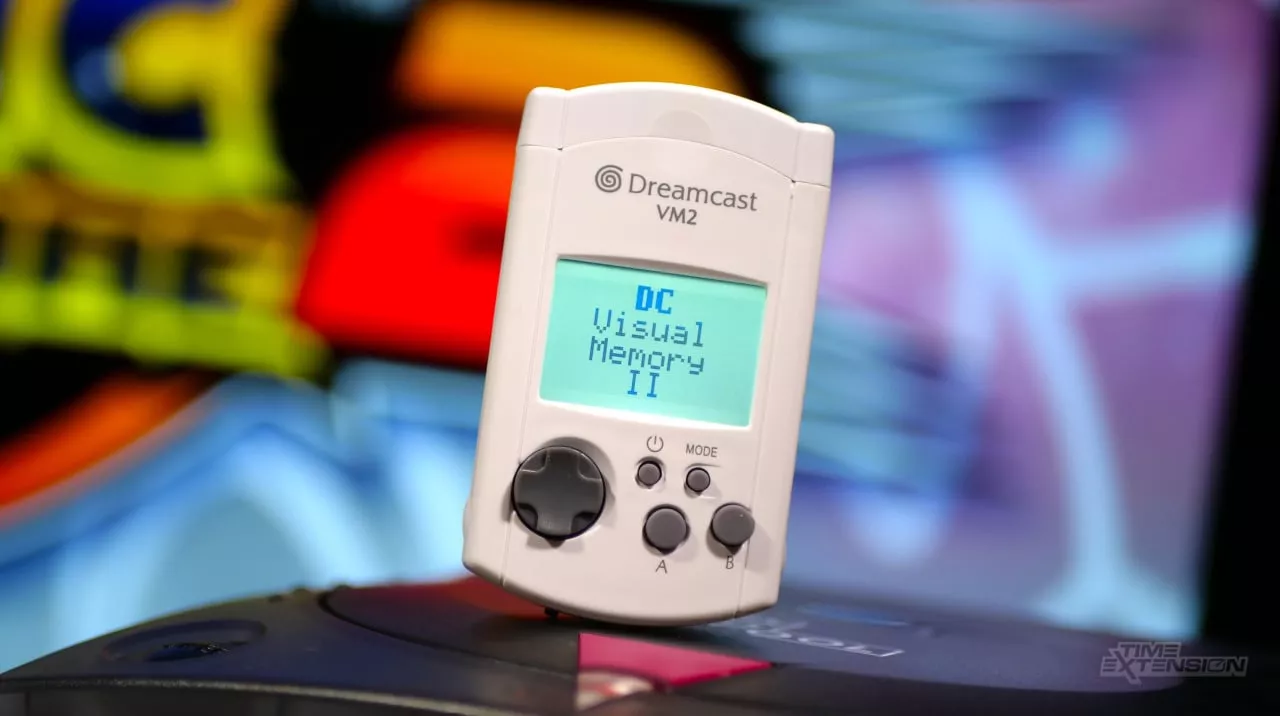
From a design perspective, the VM2 closely resembles the classic VMU in terms of look and feel, featuring quality plastic construction and functional buttons and D-pad. A major upgrade is its backlit LCD screen, which promises better visibility in low-light conditions. However, this new display may not completely align with the original VMU’s aspect ratio, being the same width but slightly less tall. Despite this, its higher resolution ensures clear visibility.
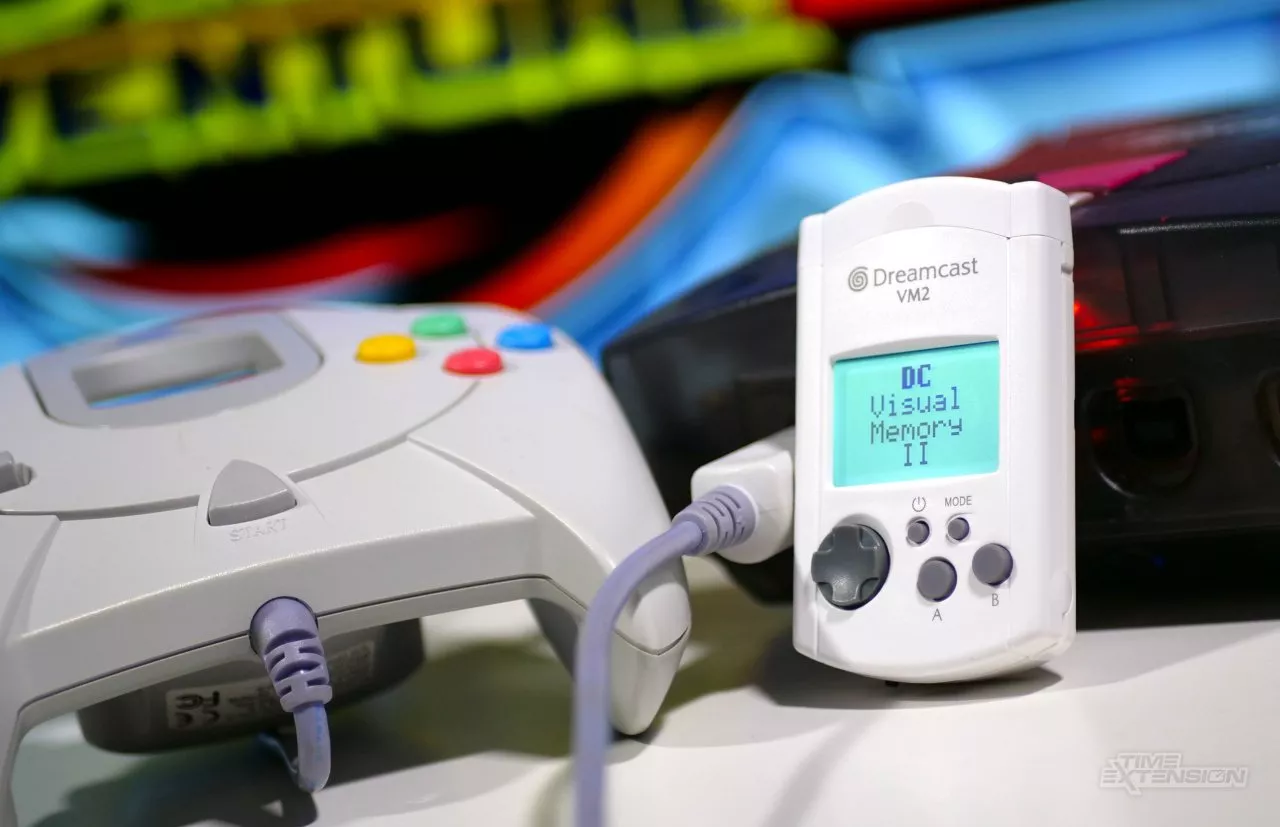
Another significant improvement is the VM2's battery solution. It includes an internal rechargeable battery that can be powered up through a USB-C connection, either directly or via the Dreamcast controller when docked. This battery can fully charge in approximately 15 minutes and sustains up to two weeks on standby, eliminating the frequent battery replacements required by the original VMU.
The VM2’s introduction of MicroSD storage is perhaps its most impactful feature. Initially, it functions like a typical VMU with 200 blocks of storage. With the addition of a MicroSD card—up to a maximum of 32GB—users can create multiple "virtual" VMUs. These can be managed directly on the device or through a computer, facilitating easy backup and use with emulators. This feature significantly expands the storage capacity, allowing users to manage and store more game data efficiently.
Dreamware has also implemented several other enhancements that add to the VM2's appeal. For instance, it can handle homebrew VMU games and has options for tweaking interface aesthetics and gameplay speed, echoing some functionalities from the original while removing historical pain points like the "dead battery beep." The VM2 will enter a sleep mode after a period of inactivity, conserving battery life and can be completely turned off if needed.
There are some minor criticisms, however. Its MicroSD slot and the external plastic cap might present some handling difficulties, and compatibility issues could arise with certain third-party Dreamcast controllers. Moreover, the VM2’s cost—approximately €120 / $132 / £100—might be a barrier for some, reflecting its status as a niche, enthusiast-focused product crafted by a small team.
Despite these challenges, the VM2 revolutionizes the Dreamcast gaming experience, preserving the spirit of the original VMU while offering modern conveniences and expanded functionalities. It represents a significant upgrade that will likely appeal to dedicated Sega fans and retro gaming enthusiasts, assuming they can justify the expense. As it currently stands, the high demand has led to a temporary halt in pre-orders, indicating the community's strong interest.
Dreamware’s Dreamcast VM2 not only revitalizes a key piece of Dreamcast’s accessory lineup but also elevates the gaming experience for users seeking a blend of nostalgia and modern convenience. For those who can access and afford this upgrade, it redefines the continued engagement with one of gaming’s most beloved consoles.

You must be logged in to post a comment!
