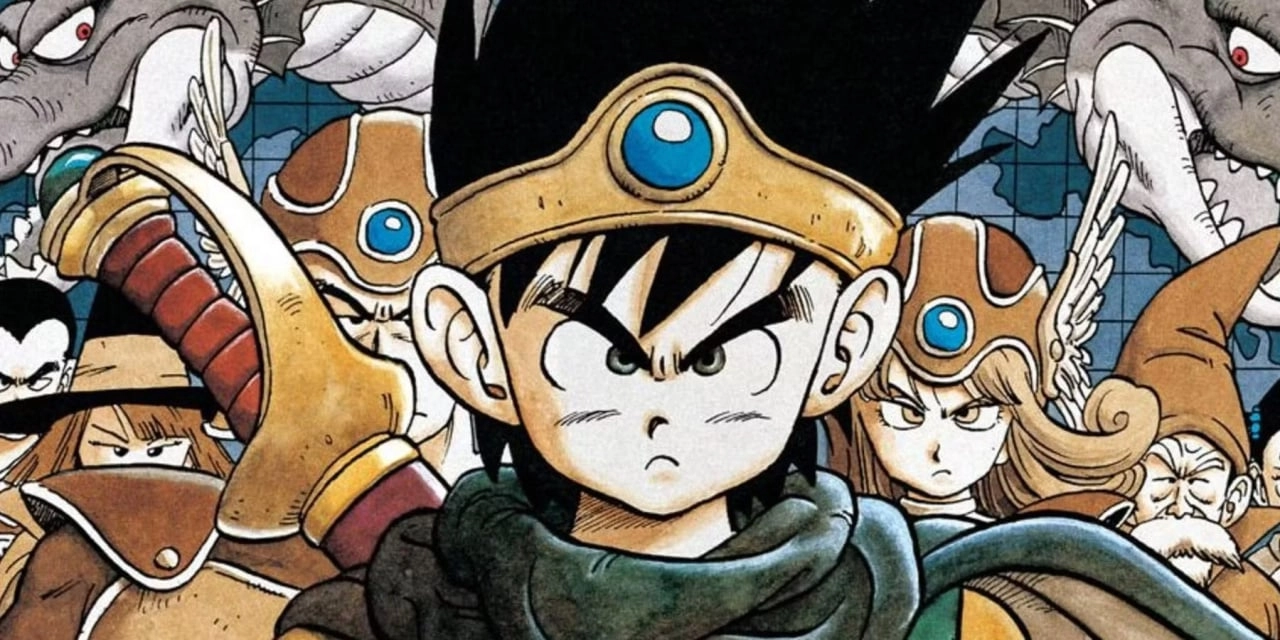
The world of video game development and publishing is often impacted by regional censorship laws and cultural differences, particularly when games are released in multiple countries. This is currently the case with the anticipated Dragon Quest III HD-2D Remake, which has seen significant alterations in character designs and content to meet the diverse expectations of global markets.
Dragon Quest III, originally released in 1988, is receiving a modern facelift. However, the recent changes have sparked controversy, especially among the original creators of the game. At a recent press conference during the Tokyo Game Show, Yuji Horii, the series creator, and Kazuhiko Torishima, former Shonen Jump editor and a key figure in the series' inception, openly discussed their concerns and confusion over these modifications.
The alterations that have raised eyebrows include the redesign of the female Warrior's costume. Previously depicted in a revealing armored bikini, the character's new design includes additional clothing underneath the armor. This change is part of a broader effort to ensure the game receives an all-ages rating, a crucial factor for maximizing the game’s market potential.
Horii expressed his perplexity regarding the necessity of these changes, pointing out that increasing the character's coverage was primarily to avoid a higher age rating, which could limit the game's accessibility to younger audiences. On the other hand, Torishima was more vocal about his frustration, specifically targeting the influence of Western markets on these creative decisions.
According to Torishima, the change in content and character depiction is significantly impacted by Western norms and practices around content rating and sex education. He mentioned how these practices are not only overly restrictive but often influenced by cultural and religious beliefs particular to regions like the United States. He further criticized the litigious nature of the American market, which necessitates age categorization and additional legal safeguards such as insurance for publishers, complicating international releases.
The conversation also touched upon the broader implications of such censorship. Horii mentioned a shift in the character selector in the game, moving from traditional gender options to more neutral terms like "Type A" and "Type B." This change is indicative of a global push towards inclusivity and gender neutrality in games, reflecting broader cultural shifts but also adding layers of complexity to game development and marketing.
These changes highlight a perennial challenge in the global gaming industry: balancing creative vision and authenticity with compliance with international content standards. While age ratings play a crucial role in protecting younger audiences from potentially harmful content, they can also result in significant alterations to a game's original design and intent, sometimes to the dismay of its original creators.
For veteran developers like Horii and Torishima, who have seen the gaming landscape evolve over decades, these changes can be particularly disheartening. They suggest a longing for a time when games were less scrutinized for their content and could be more freely expressive. This sentiment is understandable, considering their foundational roles in developing a franchise as beloved as Dragon Quest.
Despite these controversies, the Dragon Quest III HD-2D Remake is still highly anticipated. Fans of the series are eager to experience the updated graphics and gameplay, even if it comes with certain compromises. As the gaming community continues to debate the merits and drawbacks of content modification for global release, it remains clear that finding the right balance between creative integrity and market compliance will continue to be a contentious issue in the video game industry. In the ever-evolving landscape of global gaming, these discussions are crucial for understanding the impact of cultural and regulatory differences on the artistic and commercial aspects of game development.



You must be logged in to post a comment!
