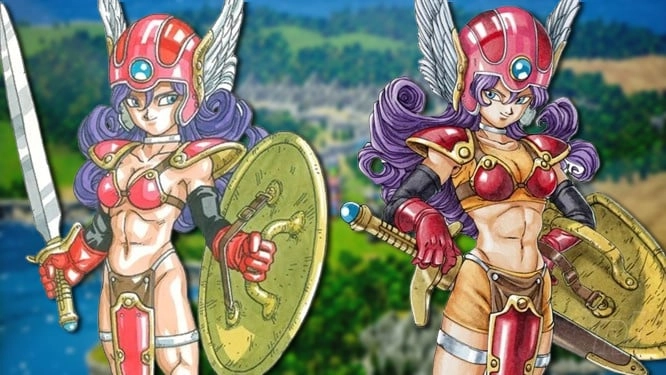
The Dragon Quest III HD-2D Remake, set for release this November, has sparked considerable conversation even before its launch, primarily due to notable alterations in the depiction of its characters. The modifications, specifically less skin exposure for female characters compared to the original, have been a focal point in discussions surrounding the game's release and broader implications in terms of cultural differences and market expectations.
Yuji Horii, the creator of the series, offers insights that shed light on the practical considerations leading to these changes. During a revealing interview at the Tokyo Game Show, Horii highlighted the impact of character design on game ratings. He explained that reducing the exposure of characters' skin is a strategic decision aimed at ensuring the game remains accessible to all ages without elevating its age rating. Such a shift is crucial as it broadens the potential audience that can enjoy the game without parental restrictions.
This redesign was not solely a creative choice by the developers but rather a business strategy accommodating broader market dynamics. Changes like these are influenced by the need to comply with varying cultural norms across different regions, particularly in Western markets. The alteration of female characters’ appearance in the Dragon Quest III remake could be seen as a reflection of the differing cultural standards and practices concerning depiction and modesty.
Additionally, Horii addressed the shift in how characters are identified within the game. Previously, players could select between a male or female main character. However, the new system labels these options as "Type 1" and "Type 2". This change, while seemingly minor, aligns with a broader trend of moving away from traditional gender binaries in character selection, which may impact how players relate to and select their avatars.
Kazuhiko Torishima, a former editor-in-chief at Shonen Jump and a participant in the same interview, expanded on the conversation by critiquing the Western influence on content censorship and market compliance. He expressed frustrations over the need to adhere strictly to Western standards, which he feels are disproportionately stringent compared to those in Japan. Torishima's commentary suggests a clash of cultural values, where Western norms around content and its appropriateness exert significant influence on Japanese content creators and distributors. The adaptation of content to fit these norms often requires significant changes, impacting both the creative and business aspects of content like manga and games.
The discussion on modifications in Dragon Quest III is further complicated by the recent passing of Akira Toriyama, the original artist for the game, earlier this year. This gives the changes a poignant undertone, as any adjustments to his designs posthumously need to be handled with sensitivity and respect for his artistic legacy.
These conversations reflect a broader discourse on how games and other forms of media navigate the complex interplay of cultural expectations, market requirements, and creative expression. As games continue to be a global business, the pressure to harmonize content across diverse cultural landscapes will likely persist, requiring developers to make difficult choices about how best to respect artistic integrity while ensuring commercial viability.
The changes in Dragon Quest III, therefore, not only affect how the game is played and perceived but also contribute to ongoing discussions about global media distribution, cultural imperialism, and the balance between respecting cultural identity and embracing a global marketplace. As the release date approaches, it remains to be seen how these changes will be received by the global audience and what further discussions they might ignite.

You must be logged in to post a comment!
