BioWare's upcoming release, Dragon Age: The Veilguard, is set to continue the beloved RPG saga but with a noticeable shift in how it incorporates players' past decisions. Unlike its predecessors, which allowed a broad array of choices from earlier games to influence the game's world and narrative, The Veilguard will focus on just three major decisions from Dragon Age: Inquisition. This move seems designed to streamline the experience for new players while preserving some continuity for series veterans.
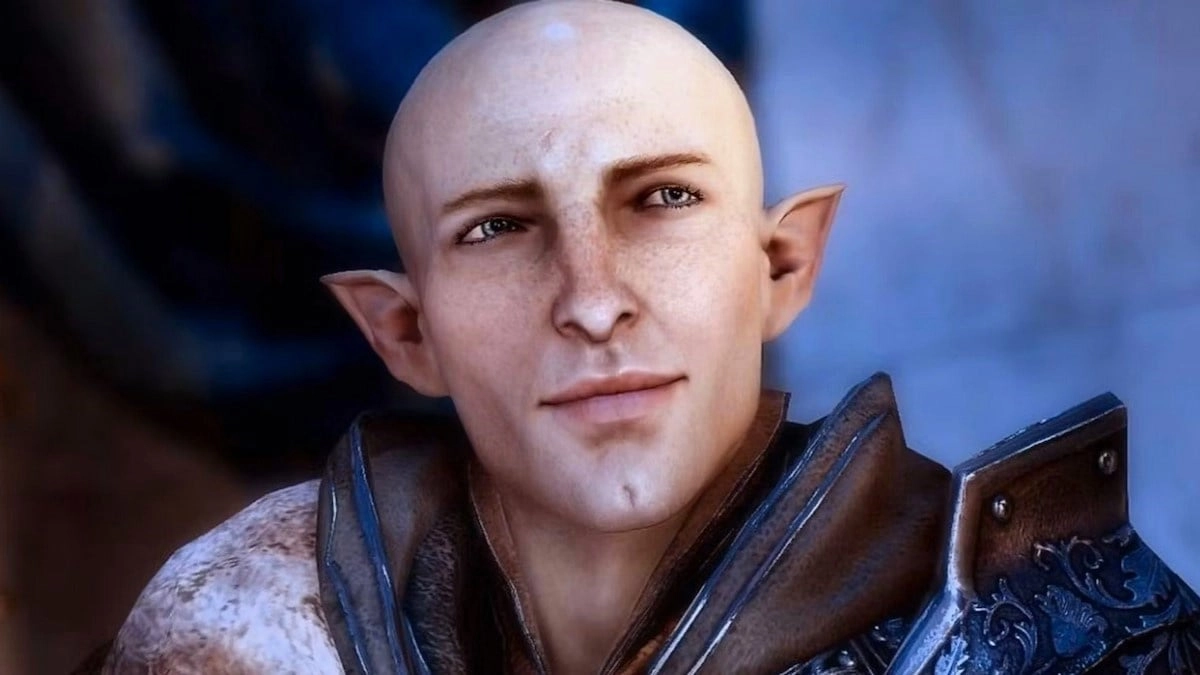
The three decisions from Inquisition that carry over are fundamentally vital to the narrative continuity. Firstly, players will need to decide whether they had disbanded the Inquisition—an organization that played a central role in the previous game. Secondly, the game will ask if players chose to save Solas, a key character whose actions and fate significantly influence the world of Thedas. Lastly, and perhaps most intriguing for fans, is the choice regarding whom the Inquisitor was romantically involved with—adding a personal touch to the overarching tale.
BioWare has introduced an innovative feature dubbed "Adventurer's Past" for those who either haven’t played Inquisition or wish to alter their previous choices. This mechanism, set within the character creation tool, will leverage a series of Tarot cards to set these pivotal decisions. The inclusion of this feature allows newcomers to quickly understand and set their backstory without needing to play the previous entry.
Despite this reduction in continuity complexity, BioWare’s approach is not merely about disregarding past choices but rather ensuring they do not stymie the new narrative. According to the developers, the aim is to avoid the pitfalls of having to unravel or reverse players' previous decisions, which can often lead to narrative constraints that hamper the story’s progression and coherence.
The Veilguard itself promises a fresh start in many ways, situated in Northern Thedas far away from the familiar terrains of Ferelden. This shift in locale not only allows new players to dive into the series without prior baggage but also offers returning players a change of scenery and new narrative possibilities. This move could be seen as a strategic approach to both expand the game world and provide a fresh jumping-on point without requiring extensive knowledge about the previous games.
Additionally, the game’s setting in a different part of the Thedas universe means that while the decisions from Inquisition will echo in The Veilguard, they won't constrain the new story’s direction. This blend of old and new is a typical BioWare strategy, aiming to keep the series both fresh and historically consistent.
The announcement of The Veilguard has stirred various reactions among fans. While some express disappointment over the limited number of decisions from Inquisition that will affect the new game, others appreciate the opportunity to start afresh, which could attract a broader audience. Moreover, the release of Dragon Age: The Veilguard is highly anticipated, with the launch date set for October 31 on PlayStation 5. As the release date approaches, both new players and long-time fans of the series are eager to see how these changes will unfold and how they will impact the long-running story arc of the Dragon Age universe.
Ultimately, The Veilguard aims to balance between honoring past narratives and embracing new beginnings. By limiting the number of imported decisions and contextualizing them within a broader, self-contained story, BioWare is crafting a Dragon Age experience that respects its roots while aiming to be accessible and engaging for a global audience of both returning fans and newcomers.


You must be logged in to post a comment!
