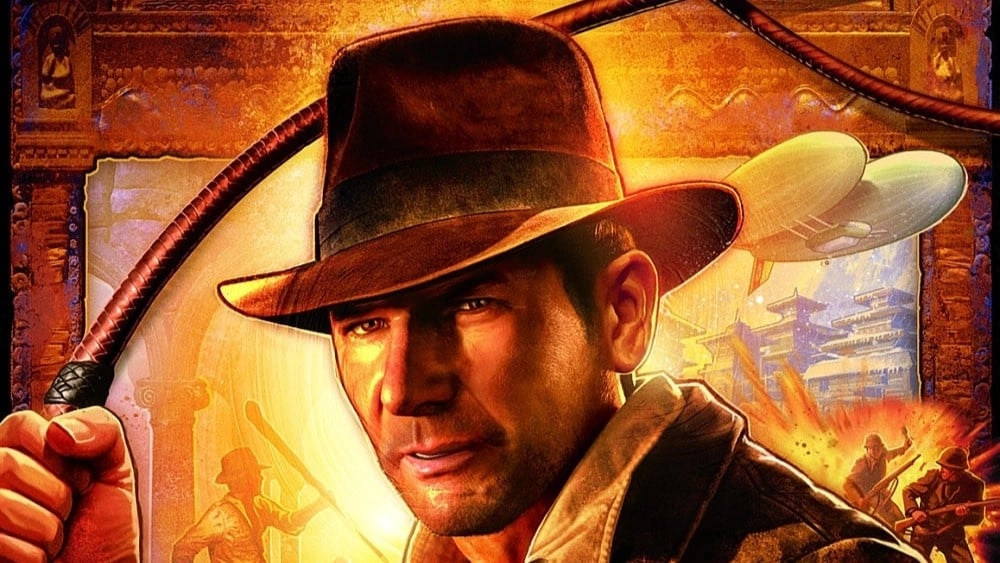
In the dynamic landscape of gaming, the decisions made by industry powerhouses can often create waves felt by players across platforms. One such recent decision that made headlines involves the long-awaited Indiana Jones video game adaptation by Bethesda and MachineGames, which, until recently, was expected to have a release on the PlayStation 5. Disney, who holds the intellectual property rights to Indiana Jones, entered into negotiations with Microsoft that led to a change in the game's release strategy.
The details of this negotiation came to light amidst Microsoft's larger move to acquire gaming giant Activision Blizzard. It was then revealed that plans for a PS5 version of the Indiana Jones game were shelved. This news was met with a mix of responses from the gaming community, many of whom anticipated enjoying the game across multiple platforms.
Disney's head of gaming, Sean Shoptaw, weighed in on the decision, expressing the company's stance. Shoptaw articulated that, considering Xbox's significant market presence, the decision to limit the game's release to just that platform did not seem excessively limiting. He suggested that, from a business perspective, releasing the Indiana Jones game on Xbox platforms was sufficient to reach a wide audience. Furthermore, he implied that the financial and strategic benefits aligned with the game's goals at the time the decision was made.
This decision is underscored by the fact that Microsoft has since acquired Bethesda and MachineGames, meaning Microsoft now has the freedom to dictate the direction of its studios and their releases. For fans who were looking forward to the PS5 version, the realization that there were once plans for such a release added a tinge of disappointment to the news.
While the specifics of how the agreement was restructured to exclude a PS5 version remain undisclosed, Disney appears to remain steadfast and without remorse in its current approach. The implication is that the potential benefits of multi-platform availability did not outweigh the advantages seen from a more exclusive partnership with Microsoft.
The gaming industry, and console gaming in particular, has a history of such exclusivity deals. These decisions are often strategic, aiming to bolster a platform's competitive edge by offering games that can't be found elsewhere. For players, this can mean the necessity of owning multiple consoles to access all their desired games, or facing the tough decision of which platforms to support based on their preferred game titles.
In the broader context, the move to limit Indiana Jones to only the Xbox ecosystem speaks to the ever-growing competition among console makers and the companies like Disney that control valuable gaming IPs. Such deals have the power to shift the balance of success and user preference in what is a continually evolving battle for market dominance.
While this particular scenario reflects a common practice within the industry, it also highlights the complexities of collaboration between intellectual property owners and gaming console companies. The necessity to strike a balance between reaching a wide audience, maximizing profit, and maintaining strategic alliances is a delicate dance that major players like Disney and Microsoft must navigate.
Ultimately, Disney's comment via Shoptaw seems to signify a contentment with the direction taken, suggesting confidence in the Xbox platform's ability to carry the weight of the Indiana Jones game's success. As the gaming industry progresses, it's evident that similar decisions will continue to shape not only the business landscape but also the experiences and choices available to the gaming community at large.

You must be logged in to post a comment!
