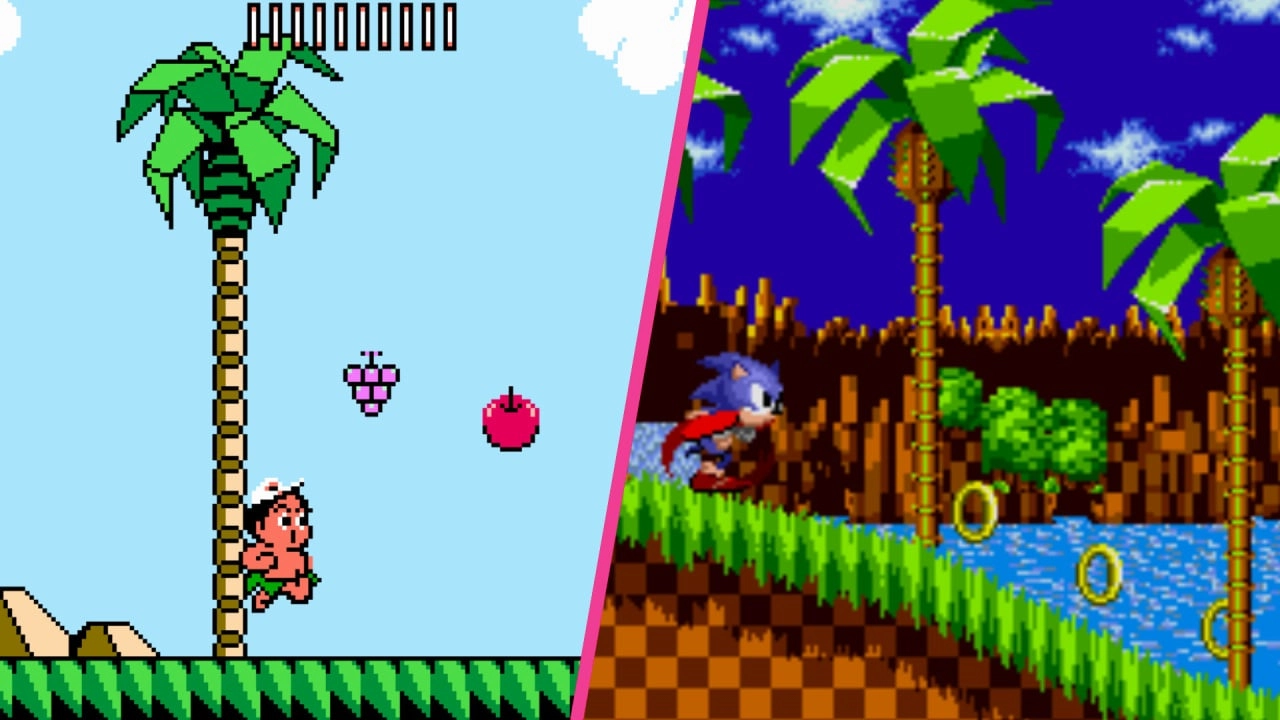
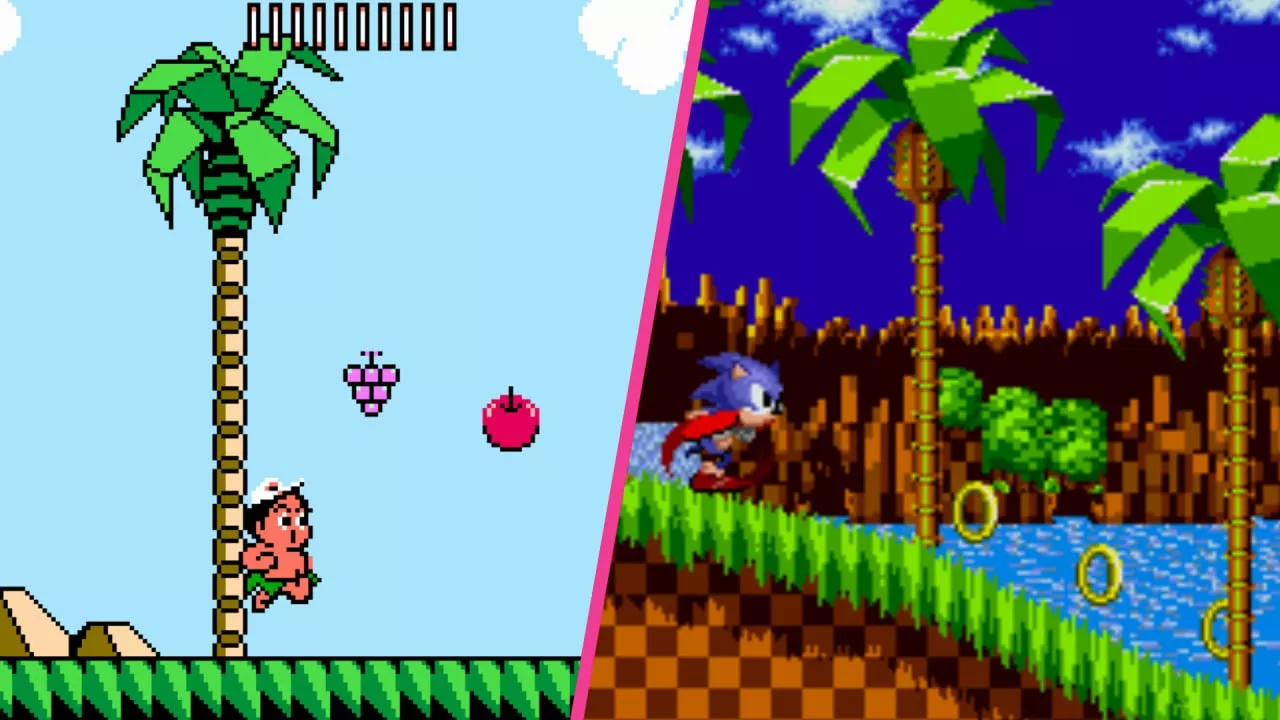
In the world of video games, inspiration and homage are common, but sometimes, these nods to other games can appear a bit too close for comfort. A recent analysis by a keen-eyed gamer suggests that Hudson Soft, the now-defunct developer, might have "borrowed" some artistic ideas from Sega’s iconic Sonic the Hedgehog when creating their 1992 platformer, Adventure Island III. This revelation comes from a comparison of the palm trees in both games, which seem strikingly similar.
Adventure Island III is a part of the Adventure Island series, which itself has connections to Sega through the Wonder Boy franchise. The original Adventure Island game was a modification of the Sega's 1986 arcade game Wonder Boy. In this context, the similarity between the two games’ palm trees could be seen either as a subtle homage or a case of creative borrowing.
A Twitter user named CometRobot was the first to point out the resemblance between the palm trees in Adventure Island III and those found in Sega’s Sonic the Hedgehog, which debuted a year earlier in 1991. The side-by-side comparison shared on Twitter highlighted the distinct similarities in the visual design of these trees, despite the different hardware capabilities of the NES (Nintendo Entertainment System) and Sega’s 16-bit console systems on which these games were released.
Adventure Island III's palm trees, with their lush, rounded canopies and stylized trunks, remind numerous gamers of the same structures in Sonic’s vibrant, fast-paced stages. The feedback from the gaming community has varied, with some agreeing that the resemblance is uncannily close, suggesting that one of Hudson's artists might indeed have drawn inspiration from Sega's game. Others believe that such similarities are merely coincidental or arise from the use of common artistic tropes in video games of that era.
Interestingly, while the focus has been on similarities, it’s crucial to consider that both games feature thematic elements typical of many titles from that time. Tropical settings with palm trees are a common visual element in many video games designed to evoke exotic and adventurous locales. The design of a palm tree, being somewhat straightforward and iconic, makes it a challenging subject on which to claim a completely unique artistic interpretation.
This discussion also touches on the broader subject of artistic inspiration within the gaming industry. Video games have a rich history of referencing and building upon previous works. In some cases, these references can enhance the experience, enriching the game's world and offering players a sense of shared gaming culture. In other instances, they raise questions about originality and the fine line between homage and outright copying.
The Adventure Island series has always lived somewhat in the shadow of its more famous counterparts from Sega, partly due to the underlying connection between the games. The similarity in palm tree design could provide an intriguing point of debate among fans and historians of video games about where to draw the line between paying tribute and potentially plagiarizing. Whether this was a deliberate nod, a whimsical inclusion by a fan of Sonic, or a mere coincidence remains a subject of speculation.
This comparison sheds light on the creative processes behind game development and the sometimes subtle, sometimes obvious, nods developers make to their influences or contemporaries. Whether deemed a friendly homage or a questionable copy, instances like these are reminders of the interconnected histories of video games and their creators. Moreover, such observations encourage gamers to look more closely and appreciate the nuanced artistry involved in crafting the video game worlds they love.

You must be logged in to post a comment!
