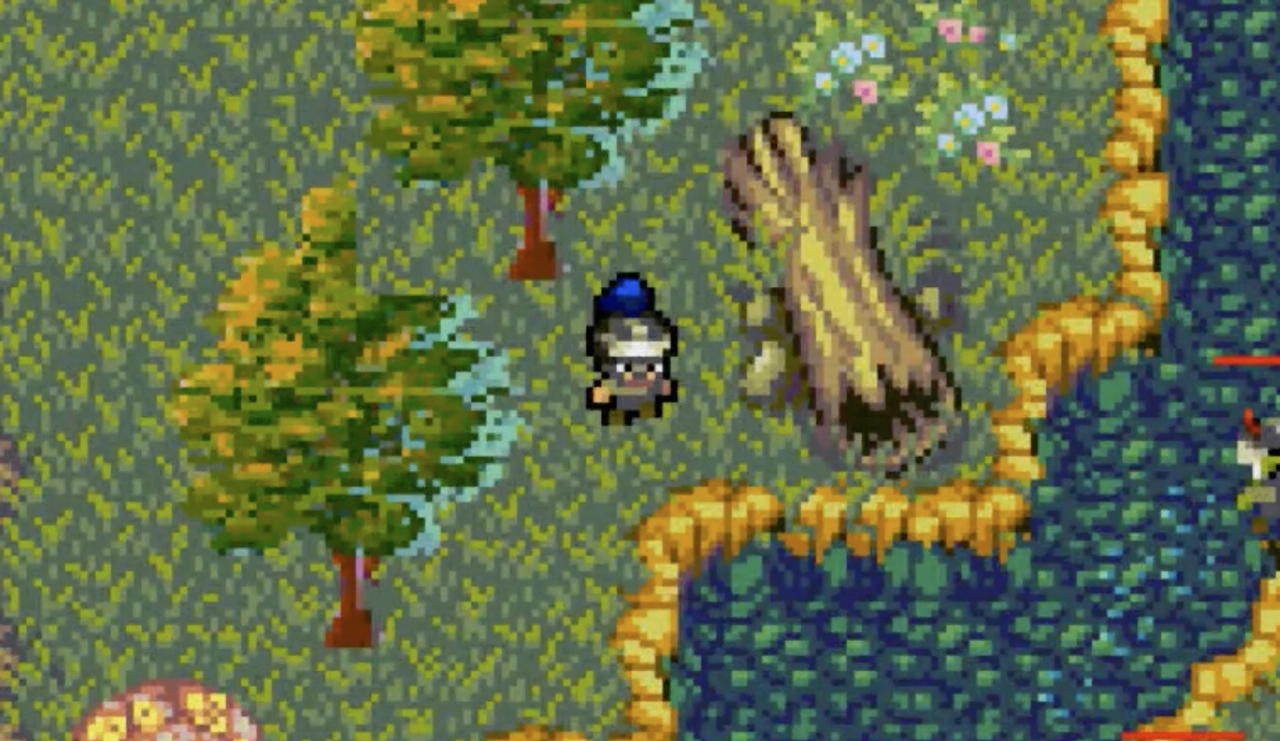
In the world of gaming, innovation often comes from unexpected places. Robert Peop, also known as FPGAzumSpass, has recently made headlines not just for his technical achievements, but also for venturing into game development. Known for his significant contributions to the MiST Future Gate Array (FPGA) community, particularly in implementing an N64 core that many thought impossible, Peip is now channeling his expertise into creating a Game Boy Advance (GBA) game titled “Behind the Tiber.”
The essence of “Behind the Tiber” revolves around offering an engaging real-time action gameplay experience reminiscent of beloved classics like “Minish Cap” and “Shining Soul.” This approach deliberately avoids random encounters, favoring a more controlled and narrative-driven progression that enhances player agency in the game’s unfolding adventure.
Peip’s shift from hardware to game development began shortly after he successfully integrated the N64 core into the MiSTer system. This integration was a significant milestone, proving that high-performance games could run on FPGA hardware without compromise. His achievement allowed gamers to experience N64 classics with enhanced stability and accuracy, comparable to the original console output. With this technological prowess proven, Peip decided to focus on a different kind of challenge: game development.
“Behind the Tiber” is designed with the portable nature of the GBA in mind. Peip imagines the gameplay to be perfect for quick, engaging runs that last about 10 minutes each, ideal for gaming on the go. His development approach involves frequent iteration and community feedback, with plans to release a test version soon to gather insights and suggestions.
Exploring new territory, Peip’s work is driven by a deep understanding of FPGA technology, giving him unique insight into recreating and manipulating console capabilities. His familiarity with console architecture empowers him to fully optimize the game’s performance and visuals specifically for GBA hardware.
The decision to develop a game for a retro platform has distinct advantages. Today, the indie game market is oversaturated with titles vying for attention on modern consoles. By contrast, fewer developers are focusing on new titles for older systems, which presents a unique niche for Peip. Modern development tools have dramatically improved since the GBA's heyday, increasing development speed and efficiency, and allowing a solo developer like Peip to realistically undertake such a project.
Peip's transition from FPGA development to game creation marks a temporary halt to his hardware endeavors. He has closed his Patreon account, conveying a heartfelt message that he wants to avoid leaving followers unsupported as he cannot split his focus. Peip emphasized that his work ethic requires him to commit fully to one project at a time, a trait that ensures quality and dedication but necessitates exclusive focus.
As Peip progresses with “Behind the Tiber,” his journey reflects a broader trend in the gaming industry where the lines between hardware expertise and creative game development increasingly blur. By leveraging his deep understanding of gaming hardware, Peip is not just creating a game; he is crafting an experience that hopes to resonate with fans of classic GBA titles and modern players looking for something refreshingly nostalgic.
This new venture could potentially open avenues for other hardware specialists to explore game development, particularly for retro platforms, blending technical skill with creative expression. The gaming community eagerly awaits the release of “Behind the Tiber,” anticipating a game that captures the essence of adventure and challenge that defines the GBA's illustrious legacy.

You must be logged in to post a comment!
