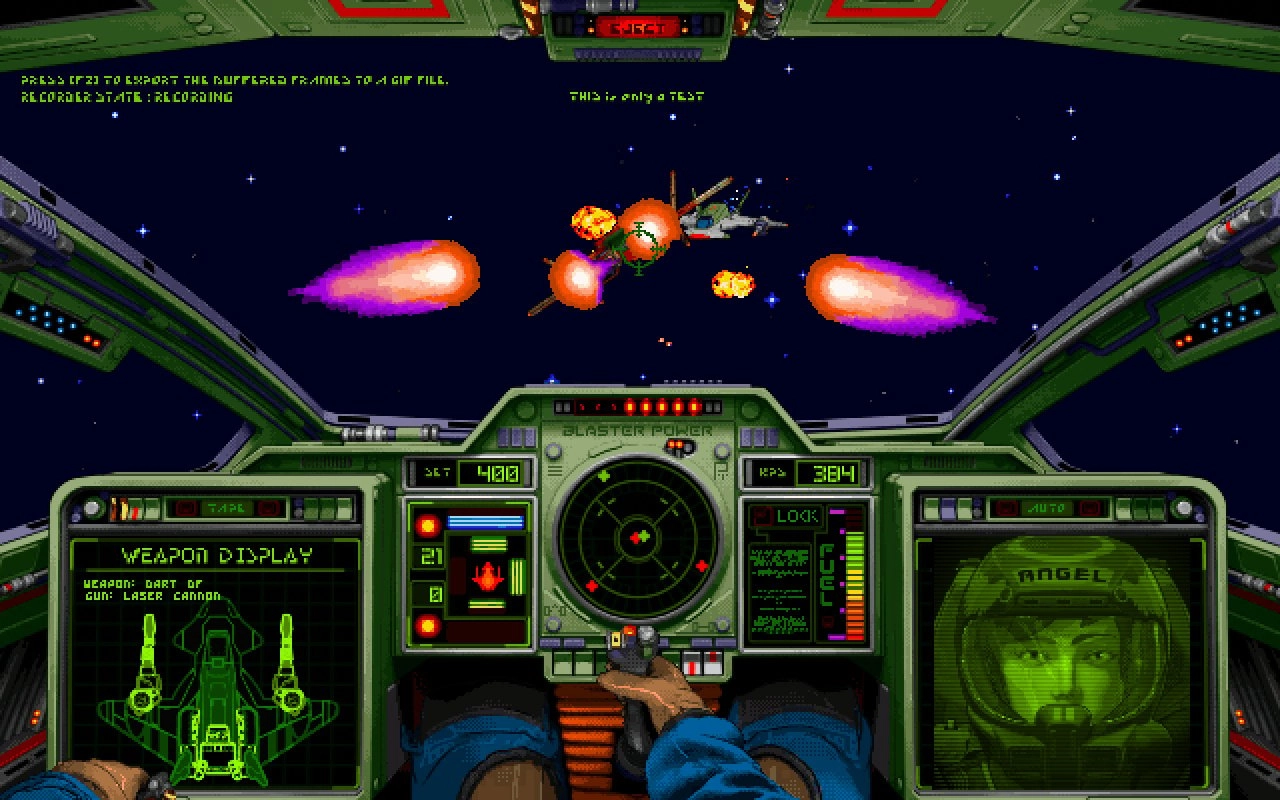
In the realm of classic video games, Wing Commander stands out as a pioneering example of interactive storytelling and engaging gameplay. Created by Chris Robinson, its initial release marked a significant moment in gaming history, merging elements of first-person space combat with a compelling narrative. This innovative approach not only captivated a wide audience but also helped establish Robinson as a noteworthy figure in the game design landscape. Following Wing Commander, Robinson embarked on another ambitious project, Star Citizen, which continues to have a massive following. However, the nostalgia for Wing Commander persists, prompting calls for a modern remake of the game.
Responding to this demand, developer Howard Day set out to recreate the original Wing Commander using the modern Unity game development engine. His project, aptly named Wing Leader, aimed to bring the classic game back to life with updated graphics and systems to appeal to both old fans and new players. Day dedicated several years to this project, starting in 2019 and making significant progress through 2021. However, like many indie development efforts, the project experienced a slowdown in momentum. Recognizing the possibility that he might not return to the project anytime soon, Day made a decision aimed at preserving and potentially revitalizing his work.
In a move to keep the project alive and harness the collective capabilities of the Wing Commander community, Howard Day uploaded all the assets of Wing Leader to GitHub, a popular platform for hosting software development projects. By making these assets publicly available, Day has opened the door for other enthusiastic developers and fans to contribute to the project. This democratization of the development process could potentially accelerate progress, leading to the completion and eventual release of the game.
Day expressed his thoughts on the decision, noting his realization of the unpredictable nature of personal and professional commitments that might steer him away from focusing fully on Wing Leader. His primary concern was that the work he had poured into the project would not go to waste but instead be available as a foundation for others to build upon. Moreover, by inviting the community to 'take it and run,' he is advocating a collaborative approach, hoping that the passion and creativity of others will carry the project forward.
This open-source strategy is not only a safeguard against the project's stagnation but also serves as a call to arms for the Wing Commander community. It's an invitation to directly engage with the game's development, potentially leading to a richer and more community-focused final product. Fans and developers who have followed the project or are passionate about the game now have the opportunity to influence its development, contribute their skills, and help shape the remake.
The implications of Day's decision extend beyond just the continuation of the project. It sets a precedent for how indie game developers might deal with similar situations. Turning a private passion project into a community-driven development is a novel way of ensuring that a project can survive despite individual constraints. Moreover, it fosters a sense of ownership and pride among the community, potentially leading to a more engaged and supportive fanbase.
Looking ahead, the future of the Wing Leader project is now more open-ended than ever. With the assets readily accessible on GitHub, it remains to be seen how the community will respond to Howard Day's call. The success of this approach will largely depend on the community's engagement level and their collective expertise in game development. However, one thing is clear: the Wing Commander spirit of innovation and adventure continues to inspire, and Wing Leader may yet soar into the future, powered by the very community that cherishes it.

You must be logged in to post a comment!
