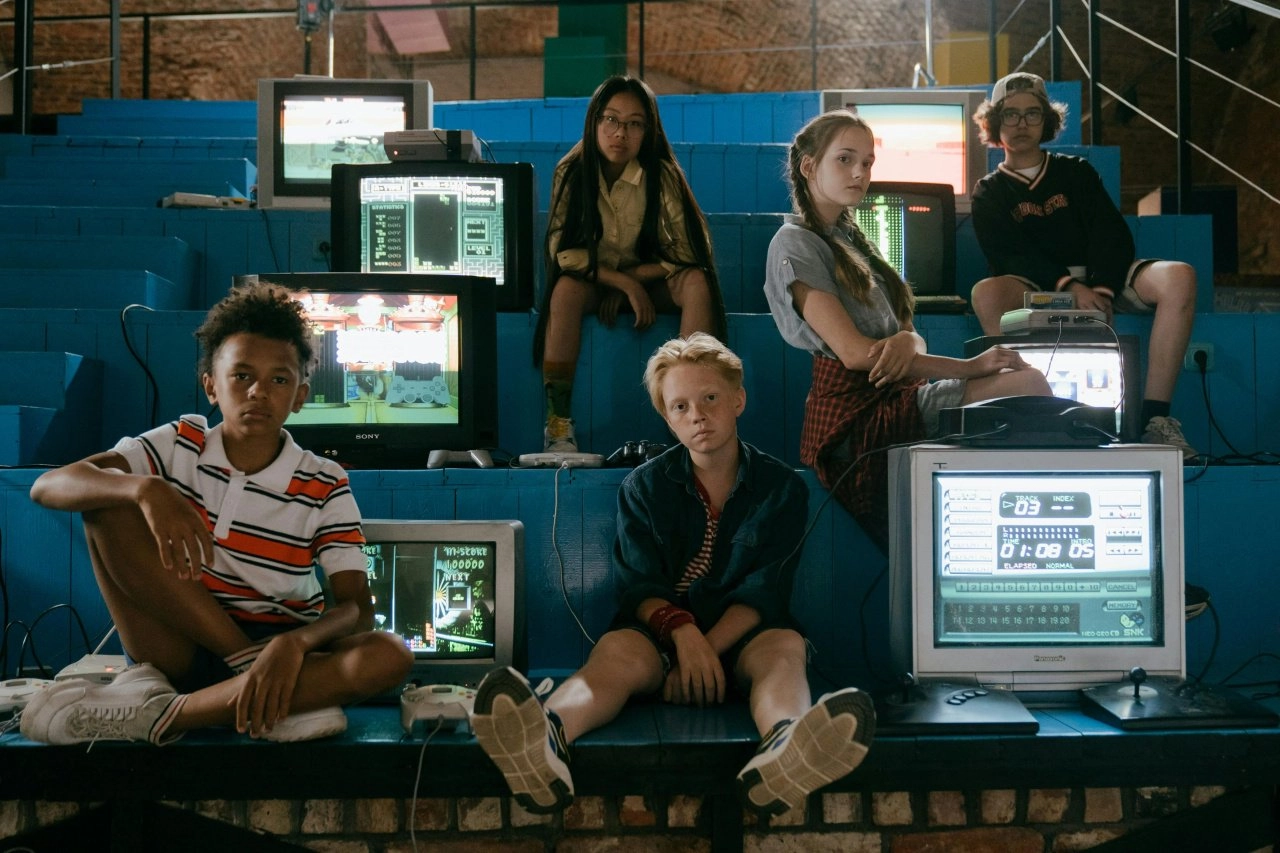
As time relentlessly progresses, the video games that once seemed cutting-edge slide into the category of nostalgia. The concept of 'retro' in gaming is perplexingly elastic, stretching to include games from as recent as a decade ago to those that are several generations removed from current technology. What constitutes a 'retro' game significantly impacts not only how games are viewed but also how they are preserved and celebrated within the gaming community.
The dialogue around what specifically makes a game 'retro' often centers on age. Some argue that a game becomes retro once it is ten years old, aligning with the view of certain gaming pundits like the team at Retronauts. This definition allows for a more inclusive conversation regarding games that still hold relevance in terms of mechanics or cultural impact, despite not being contemporary. However, there is a prevailing sentiment that a decade may not suffice to render a game 'retro,' considering the rapid pace of technological advancements and game design innovations. This leads to a trajectory where the threshold extends to 15 or even 20 years, adding a layer of vintage to the classification.
Another popular criterion used to define 'retro' is the console generation approach. By this account, a game is deemed retro if it was released on a console two generations prior to the current ones. For instance, with Nintendo's current console being the Switch, games from the GameCube era are now frequently referred to as retro. This method naturally adjusts with the passing of time and the release of new consoles, maintaining a dynamic baseline for what is considered retro.
The visual and technological characteristics of a game also play a role in its retro status. Games that exhibit pixelated graphics or limited sound capabilities often fall under the retro umbrella, enveloping titles that dominated the digital landscapes of the 1980s and 1990s. This aspect of the retro definition resonates with those who cherish the aesthetic and nostalgic feel of older games, which starkly contrast with the high-definition and immersive experiences provided by modern gaming technology.
Cultural impact is another angle from which 'retro' can be interpreted. Games that have significantly influenced the gaming culture or have historical importance in the evolution of gaming are often celebrated as retro. This not only includes games that introduced new gameplay mechanics or concepts but also those that created communities or movements within the gaming world.
Despite these varying definitions, there is a unifying thread in the community's approach to retro gaming—it’s about reverence. Whether it's marveling at the simplicity and ingenuity of older games or celebrating the milestones in gaming history, the term 'retro' encapsulates a respect and appreciation for the past. It brings gamers of all ages together, allowing them to relive childhood memories and share experiences from different gaming eras.
Moreover, the definition of 'retro' continues to evolve as new games are released and as older games continue to age. What is considered modern today will, in a few years' time, join the ranks of retro, expanding the library of games that future generations may look back on with fondness. This cyclical nature of gaming culture ensures that the conversation around what makes a game truly 'retro' will persist, adapting to the times while also preserving the legacy of video games past.
In essence, the term 'retro' in video gaming is not just a label to classify age or technology; it is a celebration of gaming's history, a badge of honor that denotes significance and a heartfelt nod to the days when pixels were plentiful and game plots were simpler. As we debate and redefine what 'retro' means, we also continue to build the bridge between past and present gaming, appreciating how far this vibrant industry has come and how much further it can go.

You must be logged in to post a comment!
