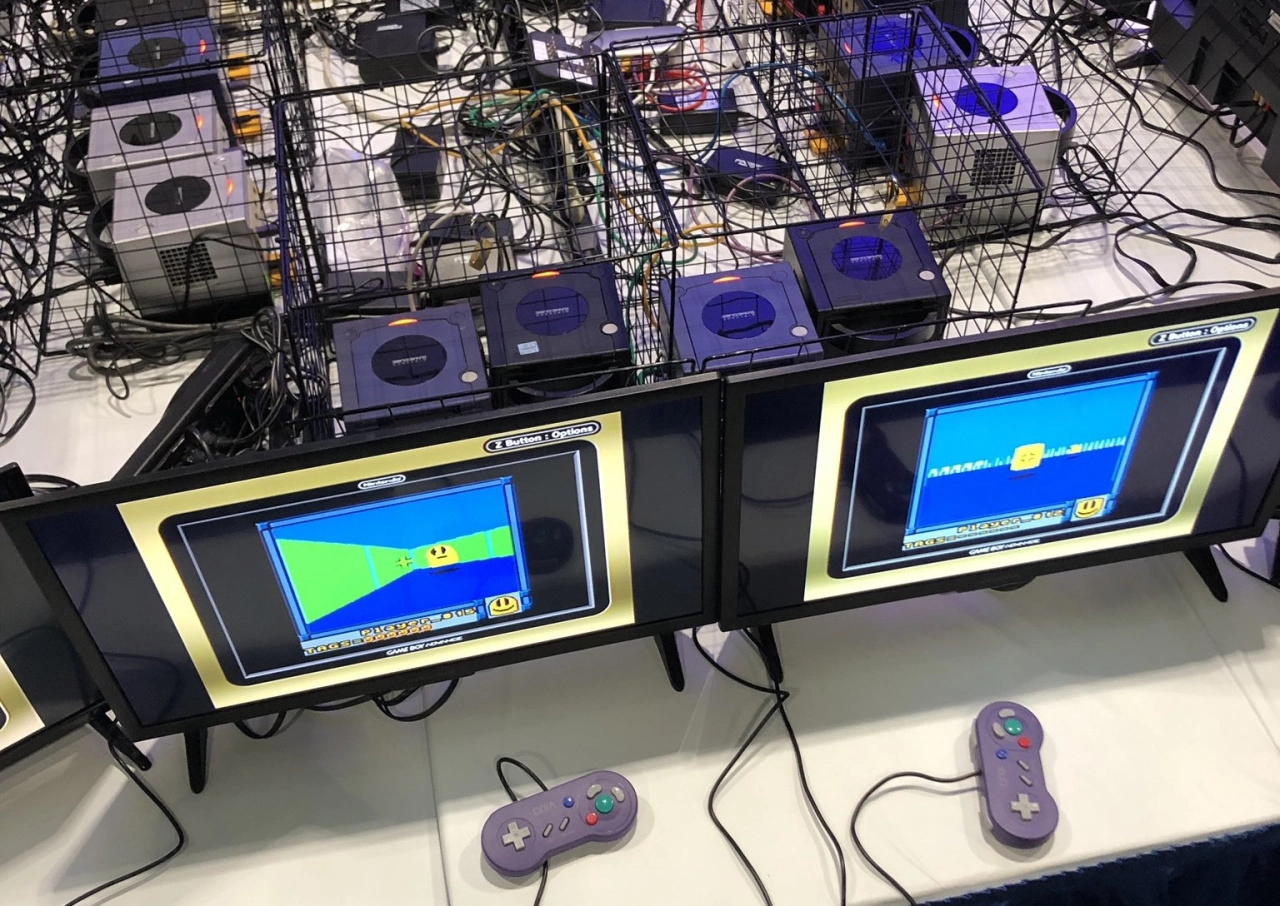
When Faceball 2000 hit the shelves in 1991 for the Game Boy, it carried with it a legacy of ambition and a tinge of disappointment. Based on the Atari ST game MIDI Maze, which famously allowed up to 16 computers to connect for multiplayer gaming, Faceball 2000 was meant to offer the same expansive experience. However, upon release, it was constrained to two-player matches via the Game Boy's link cable or up to four using the Four Player Adapter. That all changed 33 years later when a team of dedicated enthusiasts and the original game's developers came together to unlock the game's full potential.
Faceball 2000 for Game Boy was always rumored to have a hidden 16-player mode. In a 2005 interview, the game's systems programmer Robert Champagne, confirmed these whispers. The mode existed, and the developers intended to package the game with a custom link adapter to enable it. Unfortunately, due to Nintendo's recommendations, the adapter was never released, and the 16-player feature remained dormant. Notably, even during development, the team never tested the game with the full 16 players due to the lack of hardware – leaving many to question whether it was actually possible.
Fast forward to the present, a remarkable community effort spearheaded by a user named koifish unveiled at the Pink Gorilla Games store in Seattle's University District. Through incredible persistence, koifish and others independently verified that daisy-chaining GBA cables could indeed initiate the multiplayer mode, though it initially caused the system to crash. They discovered that the issues were a combination of hardware limitations and software bugs, specifically with the game's spawner. This didn't deter them, however; the team created a new link cable harness that effectively mitigated the hardware issues. At the same time, they patched the game's ROM to fix the software errors.
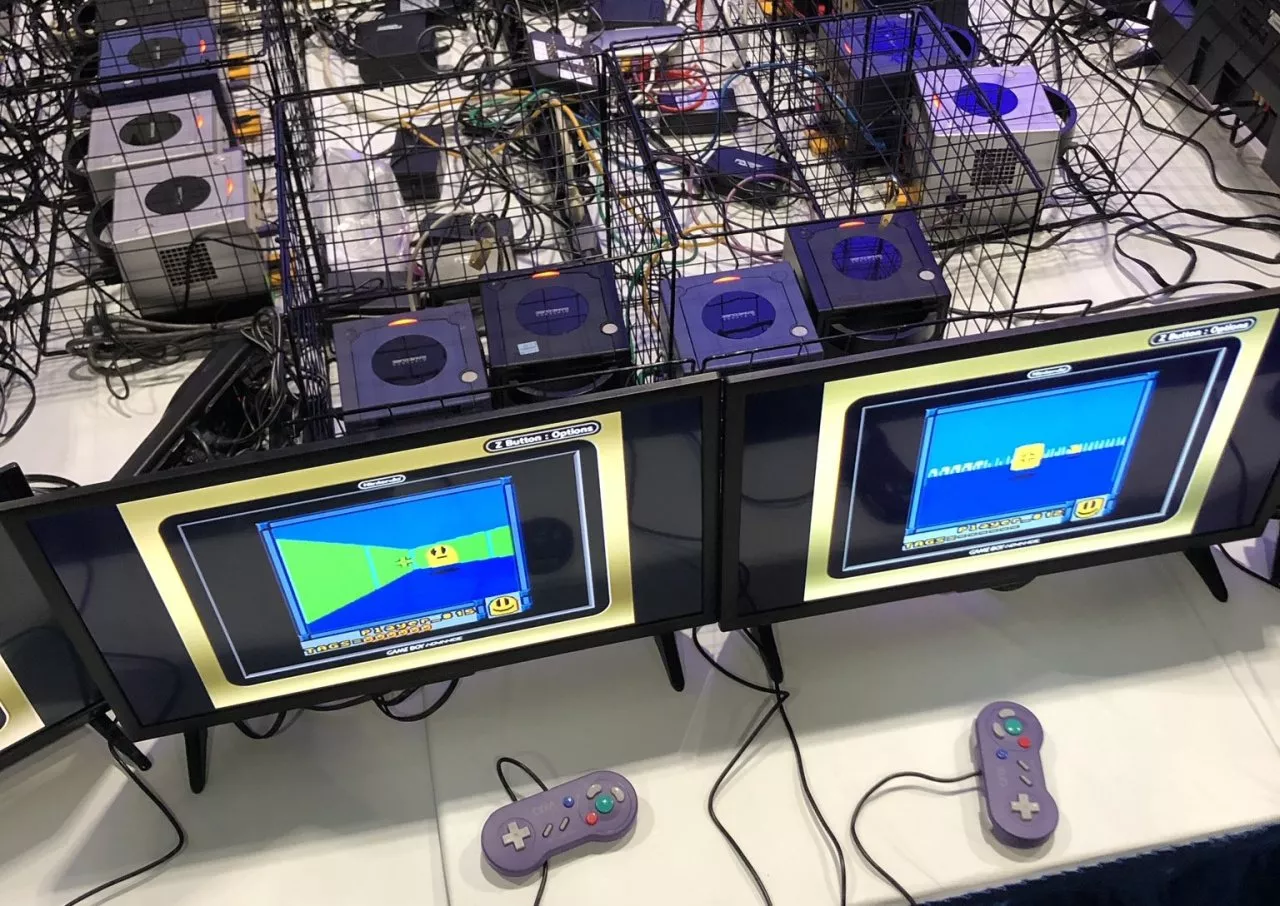
This remarkable tale of video game archeology culminated in a singular gaming event. In a scene that could've been lifted from the dreams of the most devout retro gamers, 16 original Game Boy systems were networked through a GameCube to run Faceball 2000 as it was meant to be played. Amidst the participants was none other than Robert Champagne himself, and Michael Park, a key figure behind MIDI Maze, the game that inspired it all. It was a testament to the enduring love for classic gaming and the lengths to which fans will go to preserve and celebrate video game history.
These developments beg the question of why such dedication persists for a game over three decades old, especially one as simple as Faceball 2000. The game itself offered a surprisingly engaging experience despite its limited graphical capabilities and the constraints of the hardware. Its Arena mode boasts a good degree of replayability thanks to various stages and team matchups. Additionally, its Cyberscape mode offered an increasingly challenging experience that kept players hooked. This Game Boy title's basic design lent itself to a certain charm and addictiveness.
Outside of this extraordinary event, Faceball 2000 has found itself discussed alongside recent developments in the retro gaming scene. Contemporary gamers have new appreciation for these monochrome marvels from a bygone era. Even the Game Boy Color has recently seen an “OLED Model” through a DIY kit that rejuvenated the classic platform. In this environment of nostalgia and reverence for past gaming glories, Faceball 2000's locked-away feature was a siren call for enthusiasts to unlock a piece of gaming history that had never been fully realized.
The unlocking of Faceball 2000's 16-player mode is more than just an event for retro enthusiasts; it's a milestone in video game preservation and community collaboration. This achievement showcases the collective determination of gamers, developers, and fans coming together to celebrate a medium that continues to bring people together, decades after its inception. It stands as a reminder that through community efforts, even the most obscure aspects of gaming history can be brought to light, offering new experiences while honoring the legacies on which they stand.

You must be logged in to post a comment!
