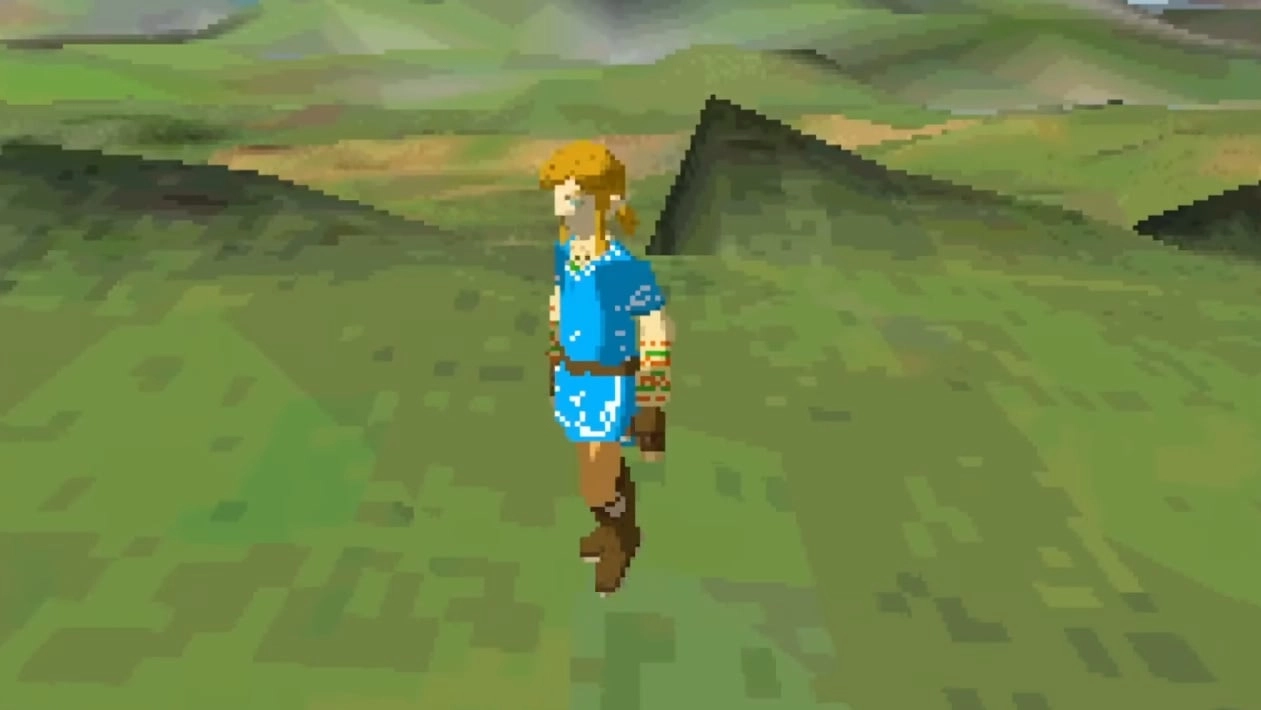
Recently, the gaming community was abuzz with excitement over a video showcasing a demake of the popular Nintendo game The Legend of Zelda: Breath of the Wild. This version appeared tailored for the Nintendo DS, featuring what fans described as "low-poly" graphics that nostalgically harken back to earlier gaming eras. Initially, rumors circulated online attributing this intriguing project to a "mysterious Chinese developer," sparking curiosity and widespread speculation across gaming forums and social media.
However, these rumors have recently been dispelled by the actual creator of the demake, a developer known as Ermelber. Breaking his silence, Ermelber clarified the situation in a detailed response to GBATemp, a popular gaming discussion portal. He explained that the demake was, in fact, a personal project developed several years ago with a group of friends. The intent behind the project was not to produce a commercial product but to experiment and test a "terrain engine" they were developing, while enjoying the creative process.
Ermelber shared his amusement over the wild theories concerning the origin of the demake, particularly the idea that it was a secretive creation from an obscure Chinese developer. He highlighted how these speculations led to an unexpected viral moment when the old ROM, a simple file from a past project, was leaked and unexpectedly surfaced on an AliExpress DS flashcard—an occurrence he found both funny and surprising.
The discussion around this demake first gained traction when gameplay footage appeared on a Chinese video-sharing platform akin to DailyMotion, known as BilliBilli, back in 2019. The footage lay mostly unnoticed until it resurfaced with new speculation about its origins. This led to the recent viral explosion of interest, with gamers and Zelda enthusiasts keen to learn more about this unique rendition of the beloved game.
Despite the initial mystery and the subsequent clarification, interest in the demake has remained high. Many fans expressed appreciation for the nostalgic feel of the DS adaptation, and some even hoped that the project might one day be revived and completed, despite Ermelber's current indications that he has no plans to further develop this version.
This entire episode underlines the impact of gaming culture's fascination with demakes—projects where developers recreate modern games for older platforms, often reducing their graphical fidelity to align with past hardware capabilities. Such undertakings frequently emphasize love for the gaming medium and offer a window into the technical evolution of game design.
Ermelber's clarification serves as a reminder of how quickly misinformation can spread in the digital age, particularly within enthusiastic fan communities eager for any news related to beloved franchises. It also demonstrates the power of direct communication and transparency in setting the record straight and managing public perception. For now, the Zelda: Breath of the Wild demake remains an inspiring symbol of creativity and passion within the gaming community, a testament to the enduring love and engagement that fans continue to have with the Legend of Zelda series.

You must be logged in to post a comment!
