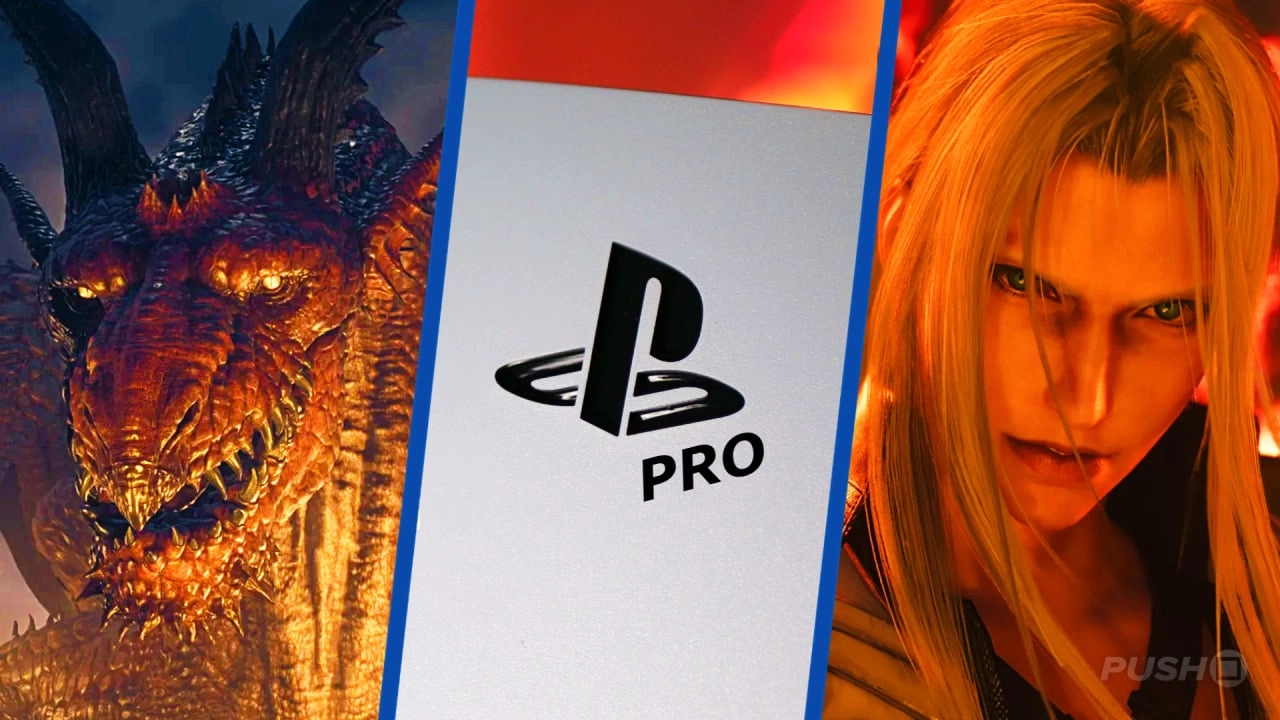
The gaming world is abuzz with rumors of a new console on the horizon – the PlayStation 5 Pro. This potential mid-generation upgrade from Sony is yet to be officially announced, but many believe it will hit the market later this year. The PS5 Pro is poised to be a premium addition to Sony's lineup, similar to previous moves such as the PS Portal and the DualSense Edge.
Enthusiasts and industry insiders have mixed feelings about the PS5 Pro's value and necessity at this point in the console cycle. As someone with a penchant for the latest tech, I find myself surprisingly ambivalent. Despite an inclination to grab the PS5 Pro on day one, the question of the console's distinct appeal compared to the original PS5 looms large. With features like ray tracing and high frame rates already available, its unique selling point remains unclear.
Reflecting on the PS4 Pro experience, it served a significant purpose at the dawn of the 4K era, offering tangible upgrades for games that pushed the base console to its limits. However, the sense of this console generation's full potential remains unrealized, raising doubts about how Sony will position the PS5 Pro as a must-have device.
For gamers like me, the allure of playing PS5 games even more smoothly might be enough. Sony is possibly counting on this demographic to see the value in these incremental improvements. Nevertheless, it's essential to recognize this approach may not catch on with the average consumer.
For some industry veterans, hesitation stems from a contention that the current generation hasn't fully realized the PS5's potential. Little has stood out on a technical or graphical level to distinguish this generation as truly groundbreaking. For example, while faster loading times in games like Marvel's Spider-Man 2 are notable, they don't represent the generational leaps we've seen in the past.
With the diminishing returns on graphical advancements as we approach the limits of technology, the gaming industry's parallels with the PC market become more evident. Sony and other console manufacturers increasingly embrace a model where new and more powerful machines are released without waiting for the existing hardware's potential to be fully tapped.
There's also a question of timing and market reality. Amidst ongoing game development challenges and a scarcity of standout first-party games for PS5 – partially due to the pandemic – it's difficult for some to justify the need for a Pro version. Additionally, concerns about the high cost that will likely accompany the PS5 Pro cannot be dismissed. Past trends suggest the price point will target hardcore fans willing to pay a premium for the latest tech.
While I appreciate these viewpoints, I also relish in the excitement of mid-generation updates, much like I did with the PS4 Pro. There's an argument to be made for allowing the console space to evolve similarly to the PC ecosystem, where users have the flexibility to upgrade at their discretion. The standard life cycle of a console is long, and the inability to update its hardware can be constraining for developers and players eager for progress.
Despite these reservations, there's also a recognition that the gaming world has fundamentally changed. The era of dramatic generation shifts has likely ended, as evidenced by diverse hardware profiles ranging from smartphones to high-end PCs, with consoles in between. The PS5 Pro, therefore, represents another step in a different direction – a beefier, more enthusiast-oriented iteration of Sony's current console.
Rumored advancements like PlayStation Spectral Resolution (PSSR) hint at the Pro's capabilities in enhancing image quality and performance without a complete overhaul of the machine. It could address specific grievances about the current PS5, such as framerate or resolution limitations.
Looking forward, there is curiosity about how Sony will market the PS5 Pro, as well as how consumers will respond to its announcement. Regardless of one's position regarding the necessity of a PS5 Pro, its implications for the gaming landscape and our expectations for hardware upgrades will be intriguing to observe. As the debate continues, it seems that for a portion of the gaming community, even the smallest enhancements can be enough to warrant excitement, indicative of a persistent drive toward the cutting edge of gaming technology.

You must be logged in to post a comment!
