In a world increasingly connected by virtual experiences, the dark side of fandom has reared its ugly head in an alarming way. The realms of video gaming and online communities collided in a vile expression of cyberbullying when Laura Bailey, a renowned voice actor, encountered a backlash that extended far beyond critical comments. Bailey, who gave life to the character Abby in the popular video game "The Last of Us Part II," revealed distressing details of the harassment she faced, which shockingly included death threats to her newborn son.
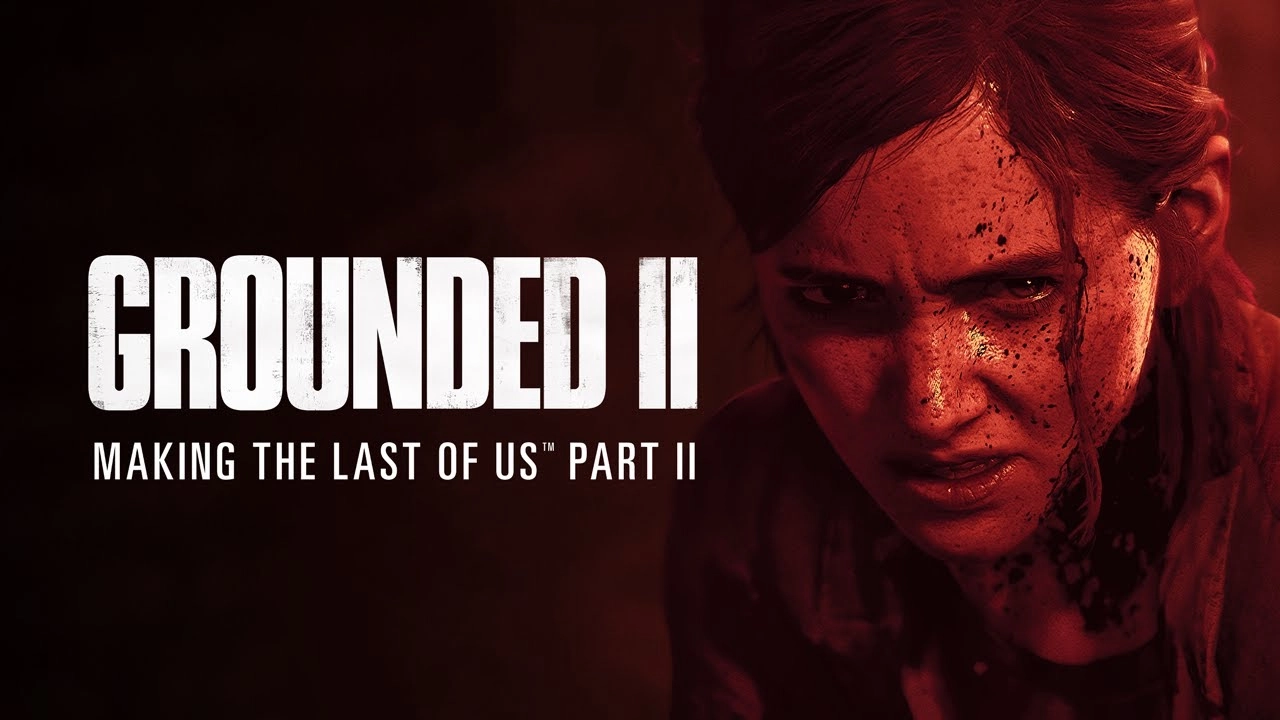
Released in June 2020, "The Last of Us Part II" quickly sparked controversy among many fans who took issue with the game's narrative choices, with some expressing their discontent in highly inappropriate ways. The relevant documentary, "Grounded II: Making the Last of Us Part II," showcased how the intense emotions evoked by the game's story translated into a nightmarish reality for the people behind the characters. Laura Bailey's heartrending confession in the documentary spotlighted the graphic and malicious nature of the threats, which escalated to involve her infant child. This terrifying revelation emphasized the psychological toll that such unwarranted attacks can have on the targets of online hatred.
As the voice behind one of the central figures in the story, Bailey faced a relentless barrage of online abuse. She recounted how every interaction on her social platforms was riddled with antagonistic messages, painting a bleak picture of the grim reality faced by public figures. In response to the menacing messages, law enforcement stepped in. Utilizing IP tracking, they worked to locate the senders, ensuring that these individuals were not in proximity to inflict actual harm. The reassurance, though necessary, doesn't alleviate the disturbing fact that someone, somewhere, intended not just to intimidate but to terrorize a mother and her newborn.
Bailey's experience is far from singular in the gaming industry. The anonymity provided by the internet often emboldens individuals to engage in cyberbullying, unconstrained by the bounds of common decency and respect. The actor's resilience in the face of such horror is noteworthy – it forced her to intentionally place barriers between her personal life and her online presence. This coping mechanism, though effective, shouldn't be a requisite for someone simply doing their job.
While Bailey's encounter with the dangerous side of fame counts as one of the harsher instances of cyber aggression, it is unfortunately part of a broader trend of online harassment, particularly against women in the gaming industry. This incident has prompted discussions about the safety of actors, game developers, and their families, leading to calls for better protection and accountability within online spaces.
In the wake of this controversy, Bailey's performance in "The Last of Us Part II" has been widely celebrated, and her portrayal of Abby has been recognized with critical acclaim, including a BAFTA award for Best Performer in a Leading Role. Despite the hardships, Bailey's talent shines through, proving her professionalism and dedication to her craft.
Looking toward the future, Kaitlyn Dever is set to take on the role of Abby in the second season of HBO's adaptation of "The Last of Us." It remains to be seen if lessons have been learned from Bailey's ordeal and if proper measures will be taken to shield Dever from similar degrees of harassment. One can only hope that such vile behaviour will cease and not be repeated.
The video game world, mirroring the larger entertainment industry, must grapple with the repercussions of its fans' zeal turning into extreme and unwarranted hostility. As we push for more immersive and emotionally gripping narratives, it's imperative that a line is drawn between the fictional stories we engage with and the real lives of those who create them. The industry as a whole, along with the communities that form around it, must actively work to foster a culture of respect and safety, ensuring that no one else must endure what Laura Bailey went through.
As we navigate these complex issues, the stories of those like Laura Bailey must not be forgotten or dismissed. Instead, they should serve as a catalyst for change, a reminder of the need for empathy in our interactions, and the importance of safeguarding the well-being of those who contribute to the art forms we love. With collective effort and awareness, perhaps we can turn the tide, promoting an inclusive and supportive community for all.

You must be logged in to post a comment!
