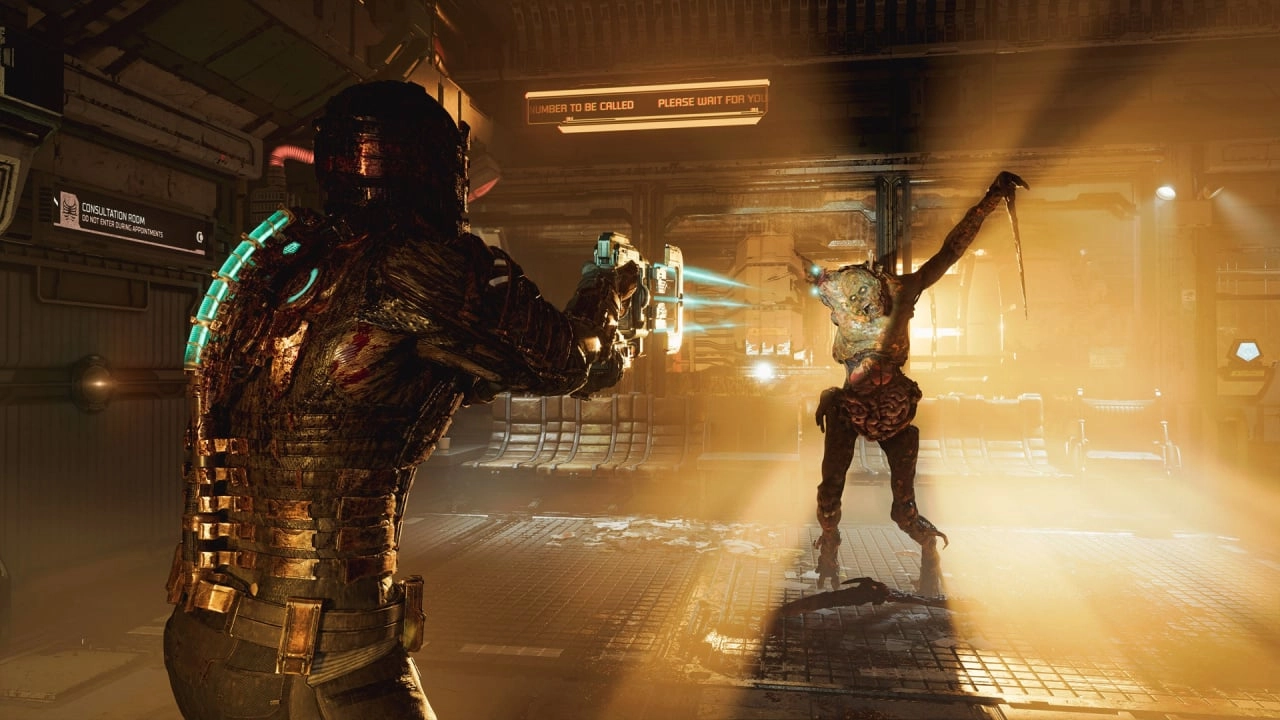
In a year when the gaming industry was bursting with hit releases and headline-dominating titles, it's easy for some masterpieces to slip through the cracks of public attention. The remake of the horror classic Dead Space is one such title that, despite its remarkable quality and spine-tingling thrills, didn't quite receive the spotlight it deserved, especially when compared to its horror remake counterpart, Resident Evil 4.
The Game Awards at the beginning of December highlighted a variety of extraordinary games from the past year, but one notable absentee from the widespread accolades was the Dead Space remake, leaving many fans and the team at Motive Studio feeling a sense of neglect. Although the game did receive some recognition, notably a spot on the Push Square Game of the Year list, it seemed to vanish amongst the onslaught of big-name titles that dominated the awards season.
From a technical standpoint, Dead Space's omission is particularly surprising. The atmosphere crafted within the game's environment is second to none. For those who dive into gaming with a headset, the echoic and metallic sounds of the USG Ishimura space vessel have been a source of relentless tension and fear. The team at Motive Studio shared the intricate details of how they revised the game's audio, ensuring that every door creak and distant shuffle of an oncoming enemy added to the immersive horror. These audio improvements were not simply tweaks, but a transformative experience that made the remake an auditory journey capable of instilling real terror.
The game's visuals also stood out as particularly impressive among current-gen titles. The attention to detail within the Ishimura offered a deeply textured experience, filled with gruesomely rendered gore and dynamic lighting that would introduce fresh horror with each new area explored. From the comfortingly blue-green hue of the protagonist, Isaac Clarke's, helmet lights, to the unnerving yellow spins of emergency lighting, the visuals were crafted to consistently invoke a deep sense of dread.
Unlike its contemporary, Resident Evil 4, Dead Space stayed much closer to the original's feel and content. However, it also ventured to make a significant change that proved to be a powerful addition: giving a voice to the previously silent protagonist, Isaac Clarke. This time, clarke actively participated in the unraveling narrative, providing a human connection amidst the chaos of dismembered limbs and alien horror. Gunner Wright's reprisal of the role delivered a performance that transformed Isaac from an empty vessel into a relatable figure who anchored the player's experience.
The gameplay, while faithful to its roots, felt as robust and satisfying as when the original game launched years ago. Each shot fired and enemy dismembered stayed true to the memorable weightiness of the series, confirming the remake to be a comprehensive package of horror excellence.
And yet, despite these triumphs, Dead Space seemed to run out of steam in the race for year-end recognition. It's important to note that while industry awards can be a measure of success, they are not the sole validation of a game's worth. The Dead Space remake achieved more than just critical acclaim; it resuscitated a beloved series that was in danger of stagnation. The talents at Motive Studio have expressed their interest in breathing new life into Dead Space 2 as well, and their work on this latest entry suggests that they would excel at such a project.
While it may be just a touch less renowned than a blockbuster hit like Resident Evil 4, Dead Space deserves its time in the limelight. For horror enthusiasts looking to satisfy their appetite for fear, this title should not be overlooked. As the year concludes, let's not let this remarkable horror experience fade into obscurity.

You must be logged in to post a comment!
