
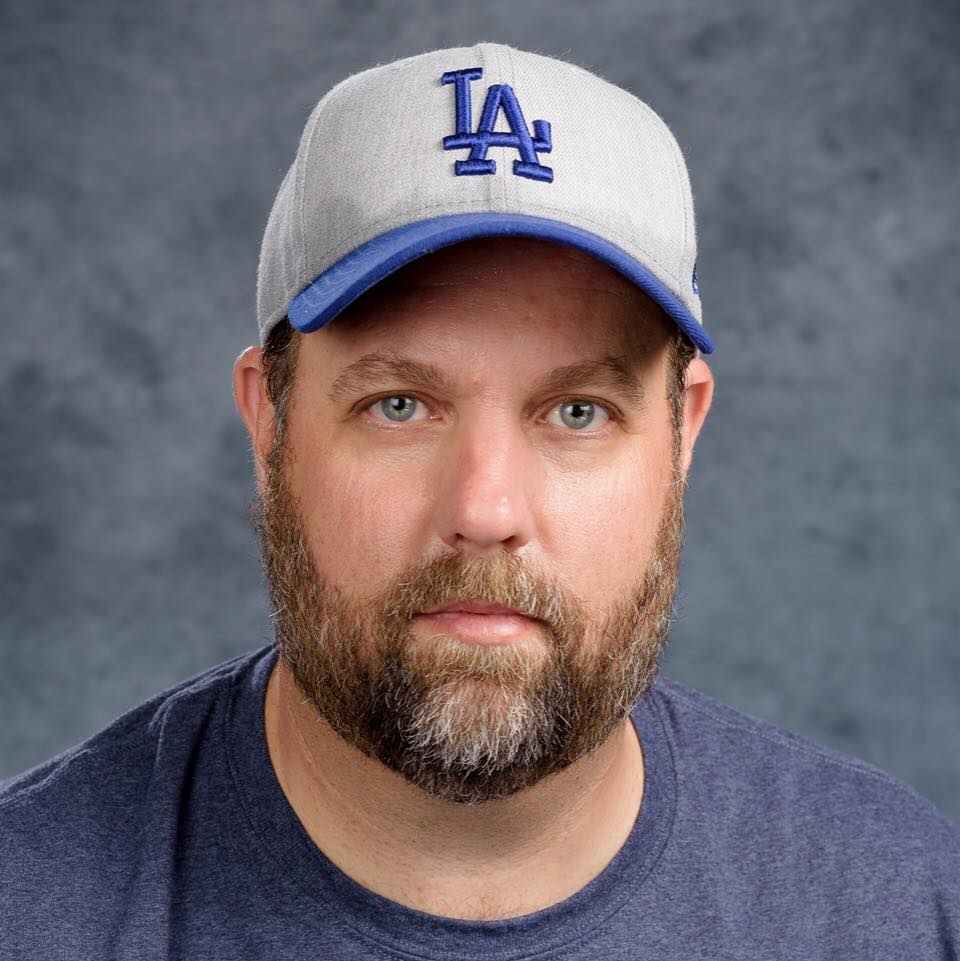

Dan Houser helped shape some of the most influential open-world games ever made during his time at Rockstar Games, but he is not planning to play Grand Theft Auto 6. The former Rockstar co-founder and former creative director on the Grand Theft Auto series has also said he generally avoids playing many other games in the genre.
It is not a dismissal of open-world design, nor a sign that Houser has stepped away from games altogether. Instead, it is part of a creative discipline he has followed for years: avoiding work that might steer, consciously or otherwise, the ideas he is trying to develop himself. Houser is now leading Absurd Ventures, his post-Rockstar company, which currently has two game projects in development alongside its expanding work in other media.
For a creator whose past credits include landmark entries in both the Grand Theft Auto and Red Dead Redemption franchises, the decision carries obvious interest. GTA 6 will continue a series deeply connected to his earlier work, but Houser's attention is on building something separate rather than measuring Rockstar's next release against his own history.
Why Houser keeps his distance from open worlds
In an interview with Variety, Houser explained that the amount of time he spends thinking about open-world games and how to present them leaves little need to study the work of other teams. His goal is not to place himself in a running comparison with rival games or to dwell on how he might have approached their individual decisions differently.
For useful background on this topic, read GTA 6 Earns PEGI 18 Rating With Detailed Content Warnings.
That outlook goes beyond simply declining to play a highly anticipated title. Houser said he wants to think about approaches that have not already been done, while remaining open to inspiration from older forms of media and ideas he has carried with him over time. The distinction is important: he is not arguing that contemporary games have nothing to teach creators. Rather, he sees direct exposure as potentially too powerful when he is already immersed in the same design space.
His comments also suggest that he experiences open-world games differently from a typical player. Instead of being able to switch off and follow the adventure, he finds himself analyzing a development team's capabilities and trade-offs while playing. Animation quality, game-design choices, and the likely discussions behind individual features can become the focus. That constant professional deconstruction, he said, is distracting.
Houser described himself as a creative director rather than a game designer, framing his role around the larger search for concepts, tone, and novel directions. In that context, avoiding close contemporaries is less about secrecy or competition and more about protecting a specific kind of creative perspective.
A habit that predates Absurd Ventures
This is not a newly adopted practice following Houser's departure from Rockstar. He pointed to his work on Red Dead Redemption as an example of the same mindset. Once development began, he stopped watching Westerns, deliberately removing a major potential influence from his viewing habits while the game was being made.
He made a similar choice with The Sopranos. Houser said he had not watched the series during his Rockstar years, apart from seeing its finale live with the woman who is now his wife. He eventually watched the full show during the COVID-19 period, after leaving Rockstar.
Houser praised the series, but also said he was grateful he had not seen it while working on Grand Theft Auto. In his view, its quality and influence could have disrupted the creative work taking shape around GTA. That anecdote offers a useful window into how seriously he takes the danger of absorbing another work's voice, structure, or sensibility.
It is an unusual approach in an industry where creators often discuss reference libraries, competitive analysis, and broad consumption as central parts of development. Yet Houser's career has been built around games that draw from and remix cultural material while establishing their own strong identities. His process appears to be about choosing the distance needed to ensure those connections remain indirect rather than immediate.
Not playing GTA 6 is not a statement on Rockstar's future
Houser's lack of interest in playing GTA 6 should not be read as a judgment on Rockstar Games or the people continuing the series. His explanation is rooted in the creative needs of his current work, not a criticism of the upcoming game. The title is precisely the kind of massive open-world release that could invite the sort of comparisons and design analysis he is trying to avoid.
For observers, though, it remains a notable moment. Houser was one of the defining creative figures behind the modern identity of Grand Theft Auto, a series known for its enormous settings, satirical edge, cinematic storytelling, and carefully constructed radio, character, and mission systems. A new mainline GTA arriving without his direct involvement already marks a significant transition for the franchise. His decision to avoid it underlines how complete his professional separation has become.
It also highlights the challenge facing any creator moving on from a long-running, culturally dominant property. Following every detail of a former team's work can become an easy trap, especially when the project is likely to dominate conversations across games and entertainment. Houser appears determined not to let that attention dictate the direction of Absurd Ventures.
Absurd Ventures is building across games and media
Absurd Ventures is not focused solely on one format. The company has already released American Caper, a graphic-novel series, and its double-sized season-finale issue is due next month. That issue is scheduled to arrive one week before GTA 6, creating an interesting calendar coincidence between Houser's new creative output and the next entry in the franchise most closely associated with his name.
The book A Better Paradise is also due next month. Together, these releases show the broader transmedia ambitions of Absurd Ventures, which has positioned itself around developing original worlds and characters across entertainment formats.
At the same time, the company is working on two games. Specific details about those projects, including their names, release timing, and target platforms, have not been announced in the information currently available. That lack of detail makes Houser's comments more revealing than they might otherwise seem: they offer an early sense of the philosophy guiding the studio before its game slate is fully unveiled.
Rather than trying to publicly compete with established open-world giants feature by feature, Houser is emphasizing the search for different ideas. It remains to be seen whether Absurd Ventures' games will themselves be open-world titles, how closely they will resemble the sensibilities of his Rockstar work, or whether they will pursue entirely different structures. For now, the company's projects remain under wraps.
Creative isolation can be a deliberate tool
Houser's approach raises a larger question about how game creators should engage with the medium around them. Games are collaborative works produced by huge teams, and keeping up with technical, commercial, and artistic developments can clearly be valuable. At the same time, creators working on ambitious original projects can face a real risk of becoming overly reactive to trends.
Houser's answer is to set boundaries. By not continuously absorbing current open-world games, he can spend less time reverse-engineering what other studios have achieved and more time considering what his own team might make next. His examples from Westerns and prestige television indicate that this is not limited to games; it is a broader method of preventing a great work from becoming an overpowering creative reference point.
Whether that method will define the finished games from Absurd Ventures is still unknown. But it offers a clear statement of intent from one of the most recognizable creative leaders in modern game development. Houser does not appear interested in revisiting his past through GTA 6, even as the game approaches. His focus is firmly on the future--and on making sure that future is not shaped too heavily by what everyone else is doing.
Community
Discussion
Start the conversation.
No comments have been posted yet.