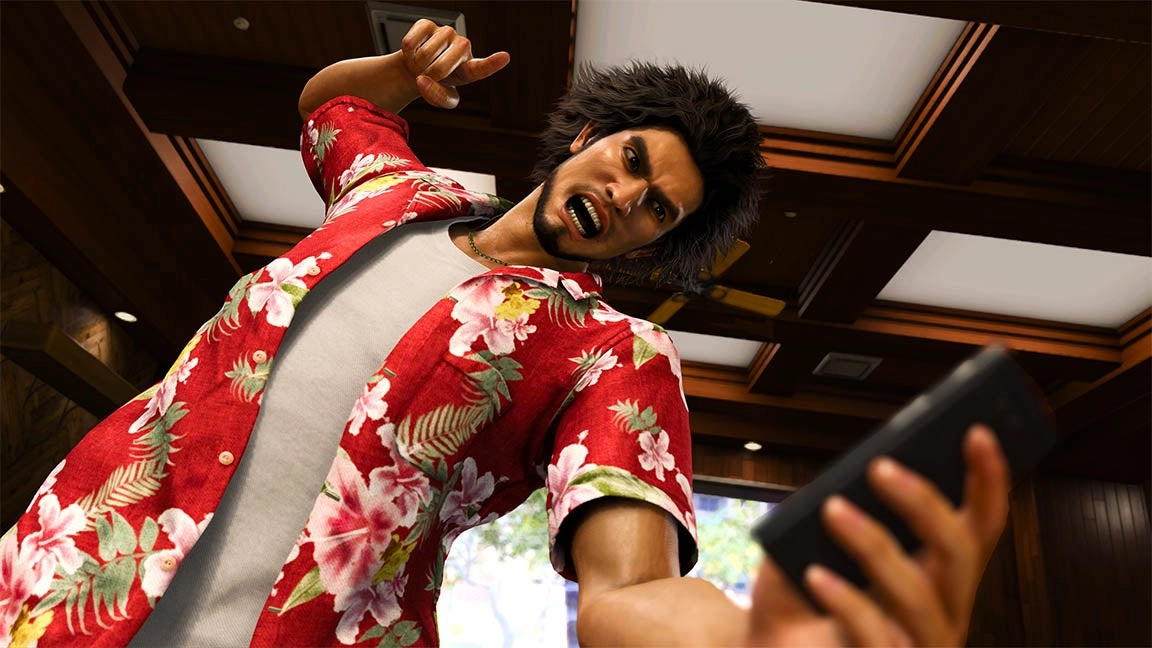
The video game industry is no stranger to stirring up heated discussions within its community, and the latest contention arrives with the impending release of "Like A Dragon: Infinite Wealth." This game is particularly significant because it takes players to new environs, specifically the sunny getaway of Hawaii, while remaining deeply rooted in the revered traditions of its predecessors. However, a shadow looms over this otherwise highly anticipated release due to a decision that has both surprised and dismayed the gaming community.
Traditionally, New Game+ has been an integral component of role-playing games (RPGs). This mode provides players the option to restart the game while preserving select progress from their first playthrough, such as character enhancements or acquired items, thus allowing them to face tougher adversaries and challenges. The essence of this feature is to extend the longevity and enjoyment of a game by incentivizing players to replay it with their hard-earned advancements intact.
For previous games in the Yakuza series and their spinoffs, dubbed "Like A Dragon," the New Game+ mode was a given; it came as a standard offering with the purchase of the base game. However, the winds have shifted for "Like A Dragon: Infinite Wealth." It has been revealed that New Game+, which is undeniably a staple of both the RPG genre and Like A Dragon series, will not be accessible to all players. Instead, it has been gated behind the more expensive Deluxe and Ultimate Editions of the game.
The revelation made its way to PC Gamer and subsequently to the gaming populace, who learned from the Infinite Wealth site that New Game+ was listed as an additional feature, but only alongside other Deluxe and Ultimate Edition exclusives like a bonus dungeon, a specific sujimon creature, and new outfits. This information was initially confirmed by a concerned Reddit user after seeking clarification from Sega Support. Much to the dismay of many potential buyers, none of these restrictions were elucidated on the game's Steam page, creating a troubling lack of transparency.
The pricing model sets the base edition of the game at a considerable £60/€70/$70. However, to access New Game+ and the other aforementioned features, players are required to shell out for the Deluxe Edition at £75/€85/$85, or go even further for the Ultimate Edition at an eye-watering £95/€110/$110. This tiered approach to game content, particularly concerning a mode once considered essential and included in the base product, has unsurprisingly sparked accusations of players being squeezed for additional revenue.
The situation is somewhat complex, given the scope and depth that "Like A Dragon: Infinite Wealth" promises to deliver. The game's other aspects like its sujimon mode have already impressed certain early reviewers, with comparisons favoring "Like A Dragon" over competing titles within the same niche. Another feature, Dondoko Island, adds a mini-game with a resemblance to the popular "Animal Crossing." Such additions illustrate that the game developers have invested time and creativity into the game beyond the standard expectations.
Despite these generous provisions, the core point of contention persists – access to the full gaming experience hinges on the willingness of the not-so-casual gamer to dig deeper into their pockets. The New Game+ mode, by virtue of its nearly universal inclusion in RPGs until now, had been considered a standard feature rather than a luxury add-on. The delineation that has been drawn between those who purchase the standard game and those who can afford the premium editions could set a precedent for future releases and shifts in content access paradigms within the industry. It stands as an emblematic development in the ongoing dialogue about the valuation of game content and the practices companies employ to monetize their offerings.
For fans and prospective buyers of "Like A Dragon: Infinite Wealth," the joy of stepping into the vibrant world of Hawaii with their favorite characters is unfortunately tinged with the reality of a growing trend. That which was once an anticipated repeat journey after the first victorious campaign now serves as a controversial business strategy. It's undeniably a pivotal moment for the gaming community, as it juggles its expectations with an evolving marketplace, contemplating the value of gaming features and the fine line between rewarding player dedication and exploiting it for profit.

You must be logged in to post a comment!
