The Game Awards, a much-anticipated annual event that both honors achievements within the video game industry and serves as a platform for exciting game announcements and trailers, recently found itself at the center of a somewhat contentious issue. The bone of contention wasn't about who won or lost, or which new game looked the most promising, but rather about something much more mundane—time management.
This year, during the live broadcast, viewers couldn't help but notice an unusually brisk pace at which award recipients were ushered on and off the stage. Almost as soon as they began their acceptance speeches, a musical interlude would subtly, or not so subtly, suggest that their time was up. Neil Druckmann, known for "The Last of Us," quipped about the ticking clock as he accepted the award for Best Adaptation for the HBO television series based on the game he created. Sam Lake, prominent for his work with "Alan Wake 2," was among those who appeared to have barely a moment to reflect before recognizing the need to conclude his remarks.
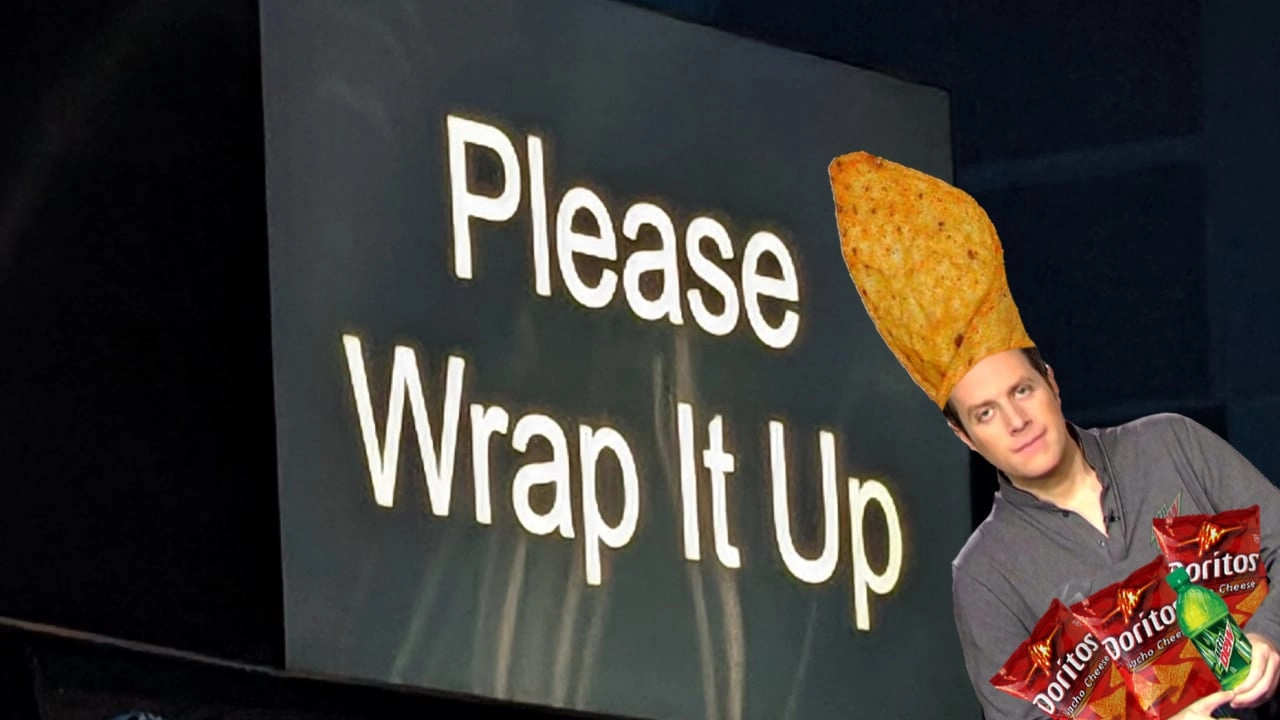
In the physical space of the auditorium, this emphasis on brevity was even more pronounced. There, a large teleprompter faced the awardees, expressly prompting them with messages like “please wrap it up,” signaling the time they had was drawing to a close. Although keeping the event within its allotted schedule is undoubtedly important, many viewed this as a disrespectful approach.
The push to shorten speeches is not without precedent in award ceremonies, but in the context of an industry built on creative collaboration, there is a heightened expectation for respect and recognition of collective efforts. The moment an individual steps onto that stage, they carry with them the weight of their entire team's hard work, dedication, and, frequently, years of development challenges. Therefore, the limited time offered to express gratitude or share success can seem dismissive of those collective achievements.
This sentiment was not lost on those in attendance or the wider audience. For example, a tweet posted by an attendee showed a picture of the prompter with its “wrap it up” message, and it quickly circulated online, accompanied by various reactions from the community. Humor was used to process this incident, as evidenced by scathing articles from satirical gaming sites, poking fun at the situation and offering a meta-commentary on the rushed nature of the event.
Furthermore, some felt a sense of inconsistency when time seemed ample for certain industry personalities like Hideo Kojima, who had the luxury of an extended presence despite not having significant material to present. This led to critical memes and online discussions about the allocations of time and spotlight during the event.
The disappointment expressed by viewers and the games community suggested a broader question about the purpose and direction of The Game Awards. While the necessity of big announcements and advertising to draw viewers and sustain the event is acknowledged, it raises the question as to whether the awards themselves are becoming an afterthought, brushed aside in the rush to entertain and sell.
However, this is not the end of the story. Geoff Keighley, the creator and host of The Game Awards, is known for his attentiveness to feedback. It is very likely that he will take this criticism to heart as part of a learning experience for future shows. After all, the core essence of The Game Awards is to celebrate the accomplishments of those who bring enjoyment to millions through their craft. Preserving the integrity and respect of this celebration is, without question, as important as the glamorous trailers and exciting announcements that color the event.
As The Game Awards continues to carve its identity in the intersection between show business and industry acknowledgment, one can hope that it finds a balance that honors both the spectacle that audiences crave and the recognition that award winners deserve. The gaming community is a passionate one, and its voice, as shown, will continue to be a guiding force for the evolution of this event.

You must be logged in to post a comment!
