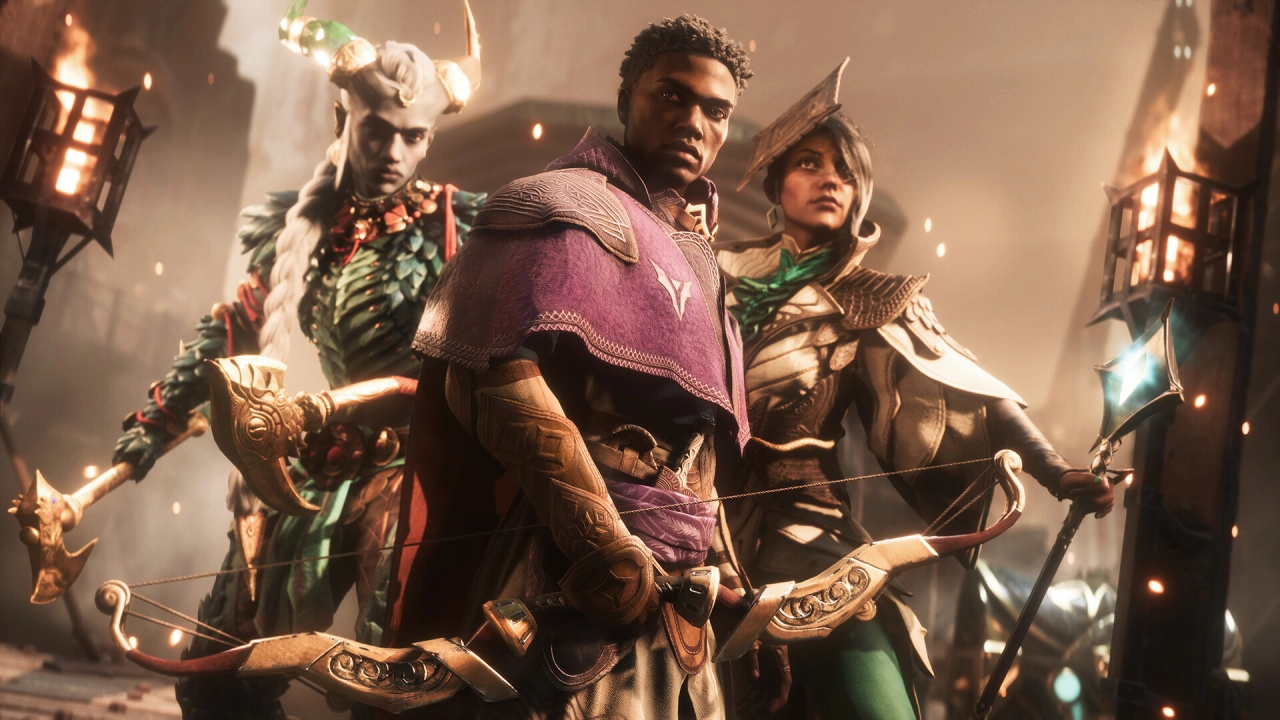
Last week, the gaming community received shocking news that Game Informer, a staple in video game journalism for over three decades, was abruptly shutting down. This closure not only marks the end of an era but also poses significant challenges for upcoming game releases, particularly BioWare’s Dragon Age: The Veilguard. Game Informer had been collaborating closely with Electronic Arts (EA) to roll out exclusive content for this highly anticipated game. Now, with the magazine's sudden disappearance, both BioWare and its fans face a dilemma.
The closure of Game Informer is a significant blow to the gaming industry. Initially launched in 1991, Game Informer grew to become one of the most influential gaming publications globally, known for its in-depth coverage, exclusive features, and the trust it cultivated among its readers. Its disappearance affects many, from the employees who produced thousands of pieces of content each year to the readers who relied on the publication for unbiased game reviews and news.
For Dragon Age: The Veilguard, the timing of Game Informer’s closure could not have been more unfortunate. The magazine had recently hosted a series of exclusive articles and features, diving deep into the game’s mechanics, storyline, and development. These pieces were not only a source of anticipation but also a foundation for building a relationship between the game and its potential players. With the outlet now gone, accessing this pre-release coverage has become impossible, as all attempts to reach the site are met with closure messages. Enthusiasts and fans have had to resort to archive.org in an effort to save and share the exclusive content that was once readily available.
The loss of this content is more than just a temporary inconvenience. It represents a significant gap in the marketing strategy for Dragon Age: The Veilguard. Game Informer’s coverage was a key component in building momentum and excitement ahead of the game’s release. The challenge now facing EA and BioWare is to find alternative ways to engage with their audience and ensure that the game receives the attention it deserves without the platform that Game Informer provided.
Moreover, the closure affects the broader landscape of games journalism as well. Game Informer was unique in its ability to provide thorough, nuanced content that went beyond mere news reporting to offer readers insights into the gaming world. Its end underscores the volatility of the media landscape and raises questions about the future of game journalism, particularly in print form.
Looking ahead, the team behind Dragon Age: The Veilguard must navigate this new challenge. The task is to reforge connections with the community and find new channels through which to release their prepared content. This might mean partnering with other publications or enhancing their direct-to-consumer communications via social media and community forums. Fortunately, alternative platforms like Pure Xbox have started to fill the void by providing their insights on the game, ensuring that fans still have access to information and developer updates.
While the closure of Game Informer is undeniably a loss for the gaming community, it also presents an opportunity for other media outlets to step up and for game developers to innovate in how they engage with audiences. For fans of Dragon Age: The Veilguard, the hope is that the excitement and anticipation for the game will remain strong, driven by a community that is as resilient as it is passionate.
As the landscape of game journalism shifts, developers and publishers may need to rethink their strategies for game promotion and engagement. In the case of Dragon Age: The Veilguard, the immediate focus will be on overcoming the present challenges, but the long-term implications of Game Informer’s exit will resonate far beyond a single game.

You must be logged in to post a comment!
