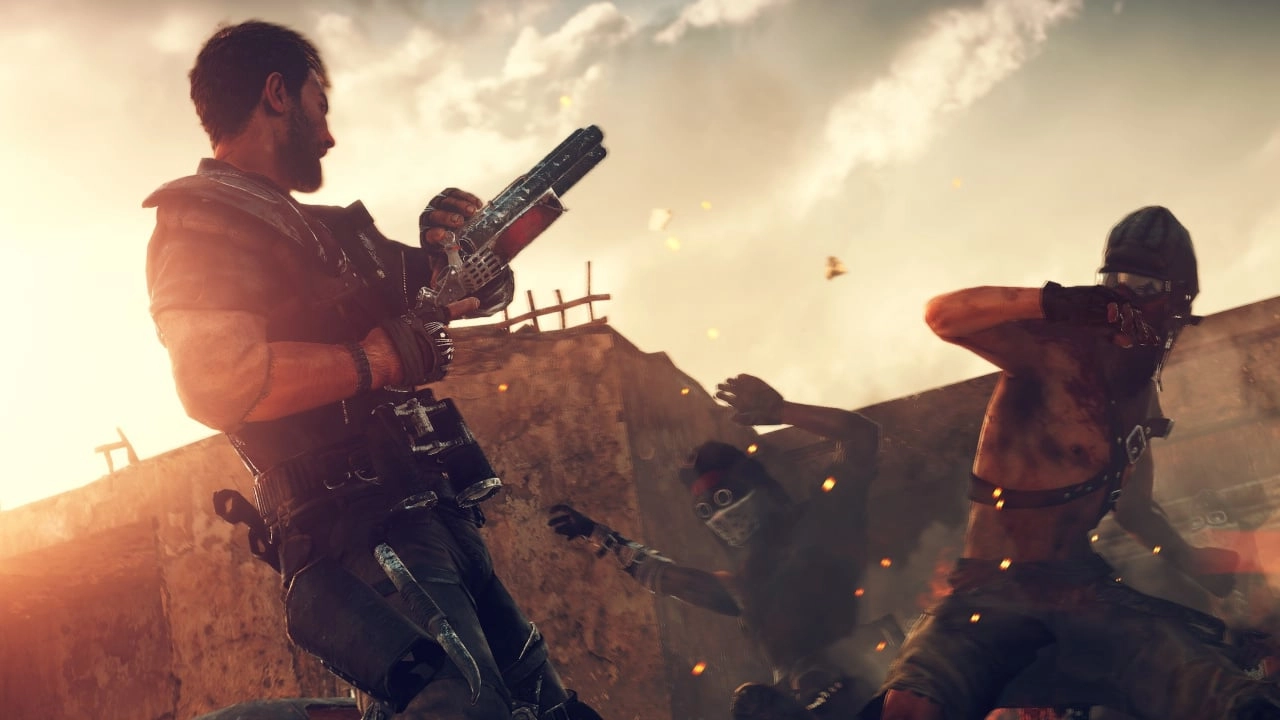
George Miller, famed director of the Mad Max film franchise, recently made headlines by expressing his wish to see renowned video game designer Hideo Kojima take on a future Mad Max game adaptation. This statement happened during the red carpet premiere of his latest film, Furiosa: A Mad Max Saga. However, Miller's comments did not stop at praising Kojima; he also subtly criticized the 2015 Mad Max game developed by Avalanche Studios, suggesting it did not meet his expectations. Miller articulated a preference for quality, stating his desire only to undertake projects that could be developed at the highest level.
This critique did not sit well with Christofer Sundberg, founder of Avalanche Software and the creative force behind the Just Cause series. Sundberg took to Twitter to voice his dissatisfaction with Miller's remarks, labeling them as "complete nonsense" and indicative of "complete arrogance". He defended the efforts and direction of his team during the game's development, highlighting the challenges they faced when pushed to produce a linear game rather than the open-world experience they originally proposed.
Additional context provided by Sundberg revealed frustrations with the development process itself. He shared that after a full year of development, there was a significant shift in the game's direction as influenced by the higher-ups. This pivot demanded a scrapping of much of the work completed, as it was deemed necessary to realign with market demands for more autonomous gaming experiences. Such revelations suggest not only a misalignment in creative visions but also a potential misunderstanding or undervaluing of the developer's original pitch and capabilities.
Moreover, Michael Douse, director of publishing at Larian Studios, supported Sundberg by commenting on the logistics and legal limitations Avalanche faced, particularly their lack of access to necessary assets from the 2015 Mad Max film, Fury Road. These constraints, according to Douse, were significant impediments to capturing the true spirit of the film series within the game, potentially another factor why Miller felt underwhelmed by the final product.
Warner Bros. Games published the contentious Mad Max game in 2015, the same year Miller's lauded film Mad Max: Fury Road hit theaters. The game attempted to construct an origin story for the titular character, Max, involving players in a rugged quest to assemble the ultimate survival vehicle, the Magnum Opus. Despite the internal and creative struggles, the game was met with reasonably positive reviews from players and critics alike, appreciated for its expansive, desolate open-world environment and immersive vehicular combat, aligning with the film's harsh, dystopian aesthetic.
As public as the confrontation between Miller and Sundberg has become, it opens a broader conversation about the collaboration between film directors and video game developers. The integration of cinematic stories into the gaming world is fraught with challenges, both creative and logistical. It requires a delicate balance of staying true to the original narrative while ensuring the gameplay mechanics deliver an engaging, interactive experience.
This exchange also hints at the evolving nature of adaptation and the expectations surrounding it. With increasing interest from iconic figures like George Miller and the mention of industry pioneers like Hideo Kojima, there is a clear acknowledgment of the immense potential in video game adaptations. Nonetheless, as the debate stirred by Miller's comments shows, realizing this potential involves navigating complex inter-industry dynamics, matching creative visions, and sometimes dealing with public disputes when visions diverge.
Regardless of the controversy, these discussions are a testament to the growing recognition of the video game industry as a powerful medium for storytelling, one capable of standing shoulder to shoulder with film in terms of cultural impact and narrative depth.

You must be logged in to post a comment!
